



Embrace the Homestay Experience
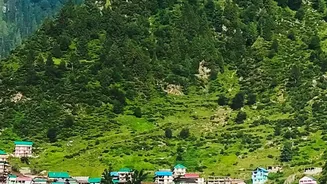
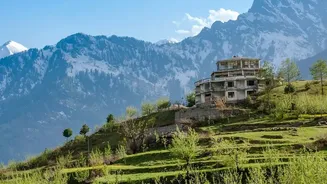
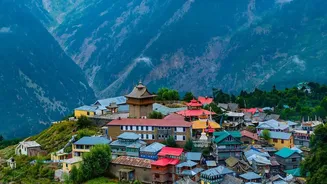
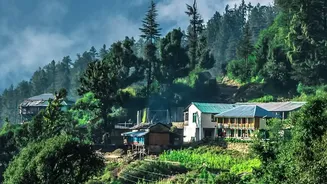
The single best way to immerse yourself in Kinnauri culture is to forgo a conventional hotel for a traditional homestay. Staying with a local family in villages like Kalpa or Sangla offers a direct window into their way of life. These homes, often built
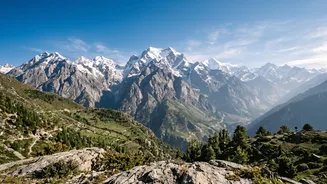
in the classic Kath Kuni style using stone and deodar wood, are cultural artifacts in themselves. You'll share meals cooked on a chulli (a traditional stove), listen to family stories, and wake up to unparalleled views of the Kinner Kailash range. This experience provides more than just a bed; it offers context, connection, and the chance to taste authentic dishes like Siddu or Chilta that you might not find in commercial restaurants. Hosts are often happy to share insights about their customs, festivals like Fulaich (the festival of flowers), and the deep reverence for local deities that governs village life.
Follow the Sacred Monastery Trail
Kinnaur's cultural identity is a fascinating blend of Hinduism and Tibetan Buddhism, and nowhere is this more apparent than in its monasteries. A journey through Kinnaur is incomplete without tracing the path of these spiritual centres. In Kalpa, the Hu-Bu-Lan-Kar Monastery, founded by the great translator Rinchen Zangpo, offers serene views over the valley. Further along the circuit, Nako village is built around a sacred, high-altitude lake and an 11th-century monastery complex. Further still, near the Spiti border, are the monasteries of Kanam and Charang. Visiting these gompas is not just about appreciating ancient art and architecture; it's about observing a living faith. You'll see monks in their daily routines, hear the hum of prayers, and feel a sense of tranquility that has permeated these walls for centuries.
Explore Villages and Valleys on Foot
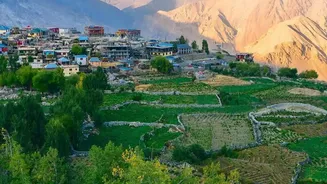
To truly appreciate the synergy between nature and culture, you must slow down and walk. Kinnaur's villages are best explored on foot, allowing you to notice the intricate wood carvings on a temple door or the traditional green caps worn by locals. Take a village walk through Roghi, a short distance from Kalpa, known for its traditional houses clinging to the cliffside. In the Baspa Valley, walk from the idyllic village of Rakcham to Batseri along the river, passing through pine forests and meadows. The most famous of these walks is in Chitkul, India's last inhabited village near the Indo-Tibetan border. Strolling through its lanes, with their unique wooden houses and views of the pristine Baspa River, connects you directly to the landscape that has shaped the resilient culture of its people.
Connect with Nature’s Rhythms
In Kinnaur, nature is not a backdrop; it is the main character and an integral part of life and livelihood. The region is famous for its sprawling apple orchards, which transform from a sea of pink blossoms in spring to being heavy with fruit in autumn. A visit to an orchard in Sangla or Kalpa connects you to the area's primary economy. The Baspa River in Sangla Valley isn't just a scenic spot but a source of life, and spending an evening by its banks is a meditative experience. For the more adventurous, treks like the Kinnaur Kailash Parikrama offer a profound spiritual journey through challenging terrain, passing through traditional villages and holy sites like the Kinner Kailash Shivling rock. These natural elements are woven into the local belief system, where mountains are sacred and rivers are revered.
Savour the Local Flavours
Kinnauri cuisine is a delicious gateway to its culture, shaped by the high-altitude climate and local produce. The staple diet includes grains like buckwheat and barley. Be sure to try Chilta, a pancake made from buckwheat flour, often served with ghee and honey. Another must-try is Siddu, a steamed wheat bun stuffed with poppy seeds or walnuts. Many meals are a simple but hearty affair of local rajma, rice, and vegetables. In upper Kinnaur, you'll find Tibetan influences in dishes like Thukpa and momos. A unique local specialty is Chulli, a wild, sour-sweet apricot used to make oils and a dish called Chulphanting. Trying these dishes, especially in a homestay, provides a taste of the land itself and the resourcefulness of its people.