








The Prime Directive: Keep It Airtight
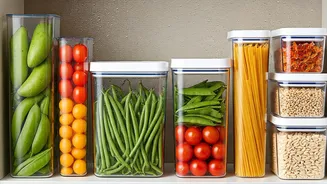
High humidity is the main culprit behind food spoilage during the rainy season. Ambient moisture gets into everything, causing bacteria and mould to thrive. The single most effective strategy is to transfer food from its original packaging into airtight
containers immediately. This applies to grains, pulses, flours, spices, and snacks like biscuits and chips. Glass jars or high-quality, food-grade plastic containers with secure locking lids are your best defence. They create a barrier against moisture and also keep out pests. For items like rice, flour, and lentils, this simple step can prevent them from becoming musty, clumpy, or infested.
Managing Spices and Powders
Spices are particularly vulnerable to moisture, which causes them to cake into hard lumps and lose their aroma. To combat this, always use a completely dry spoon when measuring out spices and avoid shaking the container directly over a steaming pot. A time-tested Indian home remedy is to add a few grains of uncooked rice to salt and spice jars; the rice absorbs excess moisture. For extra protection, you can also add food-grade silica gel packets to spice cabinets or place a few dried bay leaves in containers to deter insects. Storing your spice rack in a cool, dry cupboard away from the stove's heat and steam is also crucial.
Handling Fruits and Vegetables
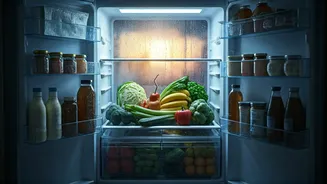
Fresh produce requires careful handling during the monsoon. It's best to wash vegetables right before you plan to use them, as storing them while wet accelerates spoilage. After purchasing, dry them thoroughly with a paper towel. Leafy greens, which wilt quickly in high humidity, should be wrapped in paper towels and stored in airtight bags or containers in the refrigerator's crisper drawer set to high humidity. On the other hand, produce like onions, garlic, and potatoes should not be refrigerated. Store them in a cool, dark, and well-ventilated place, away from the floor, to prevent mould and sprouting.
Winning the War Against Pests
The damp, warm conditions of the monsoon are a perfect breeding ground for pests like ants, cockroaches, and weevils. Ants invade looking for dry shelter and food, while cockroaches breed faster in the humidity. To keep them at bay, maintain a clean kitchen, ensuring countertops are wiped down and garbage bins are sealed and emptied regularly. Natural repellents can be very effective. Place dried neem or bay leaves in grain containers to ward off weevils. A line of cinnamon powder at entry points can deter ants, as they dislike its strong smell. Placing camphor tablets or more bay leaves in dark corners and near drains can help keep cockroaches away.
Smart Storage and Kitchen Habits
A few strategic habits can make a big difference. Before storing grains like rice and dal for the season, consider spreading them in the sun for a few hours, if possible, as this helps remove hidden moisture and kills insect eggs. Avoid keeping food bags directly on the floor, especially on cold tiles, which can transfer moisture; use a wooden plank or a low shelf instead. For items like bread, storing it in the fridge can prevent the rapid mould growth common in the humid monsoon air. Regularly clean your refrigerator, as spills and crumbs can become breeding grounds for bacteria, compromising the safety of all the food inside.