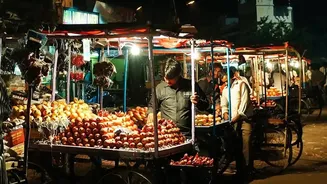








The Shock at the Sabzi Mandi
If you’ve recently winced at the price of fresh coriander, you are not alone. Across many Indian cities, the price of what was once an affordable, everyday garnish has skyrocketed. In some markets, retail prices have surged to over ₹200 per kilogram,
a shocking increase from the usual ₹25 per kg that is common for this time of year. This sudden and steep hike has transformed coriander from a humble herb, often given complimentary with other vegetables, into a carefully considered purchase for households and a costly ingredient for restaurants. This isn't a case of simple inflation; it's a direct consequence of a major disruption in the supply chain, one that starts hundreds of kilometres away in the farmlands.
Too Much of a Good Thing
The primary culprit behind the price surge is the intense and often untimely rainfall during the monsoon season. While rain is essential for agriculture, too much of it can be devastating, especially for delicate crops like coriander. Heavy downpours lead to waterlogged fields, which suffocate the plant's roots and can cause root rot. The persistent dampness and high humidity also create a perfect breeding ground for fungal diseases, which can wipe out large portions of a crop in a short time. Furthermore, the physical force of heavy rain can batter the delicate leaves and stems, rendering them unsuitable for sale. Recent spells of excessive rain in key growing regions, such as Nashik in Maharashtra, have severely damaged standing crops, leading to a much smaller harvest than anticipated.
A Broken Chain: From Farm to Your Plate
The journey of coriander from a farm to your kitchen is a fragile one. The damage at the agricultural level creates a severe bottleneck in the supply chain. When farmers harvest significantly less produce, there is an immediate drop in the volume of coriander sent to wholesale markets, or mandis. The problem is compounded by logistical challenges. Rain-damaged roads and transport bottlenecks slow down the movement of trucks carrying produce from rural areas to urban centres. Since coriander is highly perishable, any delay in transit leads to spoilage and further reduces the amount of usable product that reaches the market. This scarcity at the wholesale level means traders have less to sell, and the limited stock they do have is of variable quality.
The Simple Economics of Scarcity
The price you pay is ultimately a function of supply and demand. The demand for coriander in India is relatively constant; it's a staple in countless dishes, from dals and curries to chutneys and garnishes. Households and restaurants use it daily. However, as we've seen, the supply has been drastically cut due to crop damage and transport issues. When a massive drop in supply meets consistent high demand, prices inevitably rise. It's a classic economic principle at play. Vendors at every level, from the wholesale trader to your local sabziwala, have to pay more to procure the limited stock available. This increased cost is then passed on to the final consumer, leading to the shocking prices we are currently witnessing.
When Will Prices Come Down?
The volatility in the market is expected to continue as long as the supply remains constrained. Relief will likely only come when the weather stabilises and the next crop cycle can be harvested without significant damage. Farmers may plant short-cycle crops to try and meet demand, but this takes time. Markets may also see arrivals from other, less rain-affected regions, which could help ease the pressure slightly, though this often comes with its own transport costs and quality issues. For now, consumers are left with a few choices: pay the premium, reduce their consumption, or look for alternatives. The price spike serves as a potent reminder of how closely our kitchens are linked to the climate and the immense challenges faced by farmers in an era of increasingly unpredictable weather patterns.