






Your Railway Lifeline: Official Train Updates
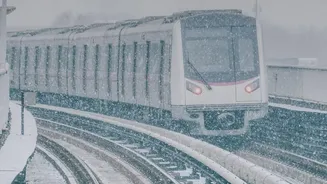
For millions, Mumbai's local trains are the primary mode of transport. During heavy rains, these services can be the first to face disruptions due to waterlogged tracks. To get ahead of the chaos, relying on official sources is crucial. Both Central and
Western Railways are active on social media, providing real-time updates. The official Twitter (now X) handles, @Central_Railway and @rpfwr1 (for Western Railway RPF), are your most reliable sources for information on delays, diversions, or cancellations. While services can sometimes run normally despite showers, these handles will announce any major disruptions. The National Train Enquiry System (NTES) app is another invaluable tool for tracking live train status, especially for long-distance trains affected by monsoon schedules on the Konkan Railway. For a more commuter-focused experience, apps like m-Indicator collate information from various sources, but always cross-verify with official railway announcements during major downpours.
Navigating the Roads: Traffic and Bus Alerts
When train services are hit, Mumbaikars turn to the roads, which come with their own set of monsoon challenges. Waterlogging is a major issue, leading to traffic snarls and diversions. The Mumbai Traffic Police's official Twitter handle is an essential follow for real-time information on road closures, diversions, and traffic flow in affected areas. They provide specific details, such as which subways are closed or where traffic is being rerouted. While navigation apps like Google Maps can show congestion, they may not always have the latest information on specific waterlogged streets that are impassable. The Brihanmumbai Electric Supply and Transport (BEST) undertaking also faces significant challenges, often diverting dozens of routes due to flooding or fallen trees. For bus commuters, checking BEST's official social media channels or announcements from the MCGM's disaster management cell is the best way to know if your regular route is operational.
Decoding the Forecast: Understanding IMD Alerts
The India Meteorological Department (IMD) is the official agency for weather forecasting. Understanding its colour-coded alerts can help you plan your day and take necessary precautions. A 'Green' alert means no warning is needed, while a 'Yellow' alert advises you to 'Be Updated' as weather could change. An 'Orange' alert means 'Be Prepared' for heavy to very heavy rainfall, which could disrupt transport and daily life. The most serious is the 'Red' alert, which means 'Take Action'. This is issued for extremely heavy rainfall events that pose a significant risk, and authorities may advise people to stay home. These alerts are not just based on the amount of rain but also consider the potential impact, like flooding and landslides, to help administrative bodies prepare. Following IMD Mumbai's official announcements will give you the most accurate forecast, helping you decide whether to travel.
Your All-in-One Hub: The Disaster Management App
The Municipal Corporation of Greater Mumbai (MCGM), also known as the BMC, has a dedicated Disaster Management cell that works to coordinate emergency responses. To centralize information, the BMC developed the 'Disaster Management MCGM' mobile app, available for both Android and iOS. This app aims to be a one-stop solution for citizens during the monsoon. It provides real-time data from over 60 automatic weather stations across the city, including rainfall, temperature, and humidity. Crucially, it also consolidates updates on traffic diversions and the operational status of trains, BEST buses, and even flights. The app includes an SOS feature to alert emergency contacts and provides details of the nearest hospitals, police stations, and temporary shelters. Downloading and familiarizing yourself with this app before an emergency can be incredibly helpful.