




The Psychology of a Cozy Space
Before diving into decor, it's helpful to understand why certain elements make us feel relaxed. The concept of 'cozy' is deeply psychological. Our brains are wired to associate warmth, soft textures, and gentle light with safety and comfort. Research
in environmental psychology shows that warm-toned lighting can reduce stress and promote relaxation, mimicking the calming glow of a sunset or firelight. This taps into an evolutionary response, signaling to our minds that it's time to unwind. Similarly, soft materials and textiles deaden harsh echoes and add a layer of visual warmth, making a space feel more intimate and inviting. For renters, the challenge is achieving this atmosphere without making permanent changes. This is where the strategic use of lighting and tapestries becomes a game-changer.
Warm Lighting: Your Instant Ambiance Creator
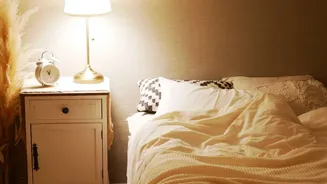
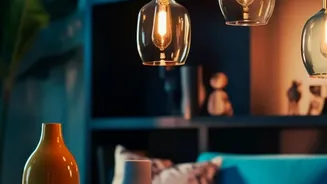
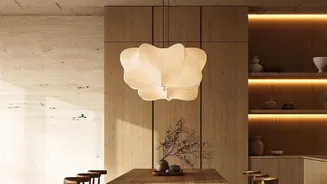
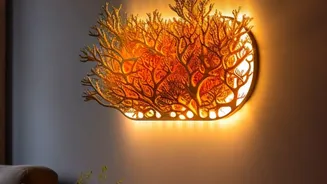
A single, harsh overhead light—often unflatteringly called a 'boob light'—is the standard in many rentals. It illuminates a room but does little for its mood. Relying on this one source can create stark shadows and a flat, uninviting feel. The solution is layered lighting. By introducing multiple, smaller light sources, you create depth and visual interest. Warm lighting, which typically falls in the 2,000K to 3,000K color temperature range, casts a soft, yellow-toned glow that makes a room feel more comfortable and encourages social connection. Swapping out the cold, blue-toned bulbs in existing fixtures for warm-white LEDs is a simple first step that can have a massive impact. The goal isn't just to light a room, but to sculpt it with pockets of warm, gentle brightness.
Affordable Fixtures for Every Corner
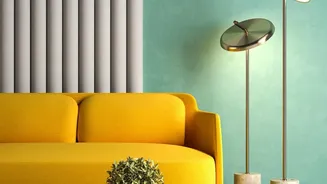
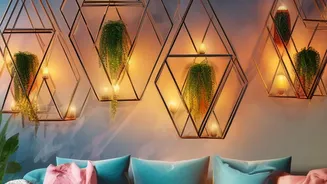
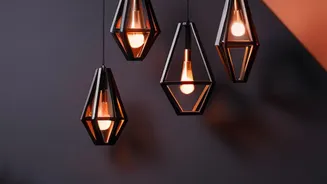
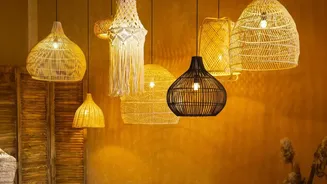
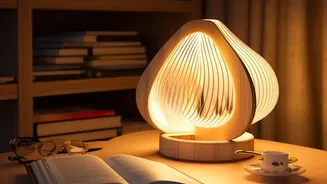
Creating layered light doesn't require an electrician or a hefty budget. The market is full of affordable, renter-friendly options. Slim floor lamps can be tucked into tight corners next to a chair or sofa, providing a warm glow without taking up precious floor space. Small table lamps placed on side tables, bookshelves, or even a kitchen counter add immediate character. Don't underestimate the power of string lights or 'fairy lights'; when draped around a window frame or headboard, they add a magical, soft ambiance. For a more modern look, consider an arc floor lamp, which can provide overhead light for a seating area without requiring any ceiling installation. Many of these options are not only cheap but also portable, making them a wise investment you can take to your next home.
Tapestries: More Than Just Wall Art
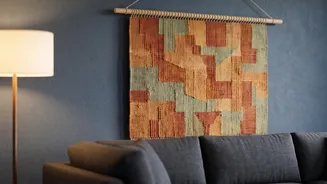
Bare, neutral-colored walls are another hallmark of rental living. While they offer a blank canvas, they can also feel cold and impersonal. Tapestries are an ideal solution for renters because they cover a large surface area, instantly adding color, pattern, and texture. But their benefits go beyond aesthetics. Woven fabric is a natural sound absorber. In rooms with hard flooring and minimal furniture, sound waves bounce around, creating echoes that can make a space feel hollow and noisy. A large tapestry can significantly reduce this reverberation, making conversations clearer and the room feel calmer. Unlike a framed painting, which often has a hard, reflective surface, the soft, porous nature of a textile traps sound, improving the room's acoustics while adding a layer of visual warmth.
Installation Without the Anxiety
The primary appeal of these decor items for renters is the ability to install them without causing damage. Forget the hammer and nails. For hanging tapestries and other lightweight wall art, removable adhesive strips and hooks are your best friend. These products are designed to hold securely and then peel off cleanly without leaving residue or pulling off paint. For very lightweight items like string lights or posters, wall putty offers a flexible, reusable option. Another brilliant, damage-free method for hanging a tapestry is using a tension rod. These rods can be adjusted to fit snugly within a window frame, an alcove, or between two walls, providing a sturdy rail from which to hang textiles without a single screw. For a more casual look, you can also simply lean larger framed art or mirrors against the wall.