




Why Millets Are the Smart Choice
Before we dive into the delicious recipes, let's understand why millets are making a powerful comeback. These ancient grains are nutritional powerhouses. Generally, they are high in dietary fibre, which aids digestion and promotes a feeling of fullness.
Many millets have a lower glycemic index compared to refined grains, helping to manage blood sugar levels more effectively. They are also naturally gluten-free, making them an excellent choice for those with sensitivities. Rich in essential minerals like calcium, iron, and magnesium, millets offer a simple way to boost the nutritional value of your festive treats without compromising on taste.
Ragi: The Calcium-Rich Powerhouse
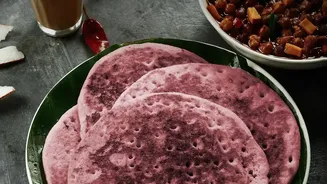
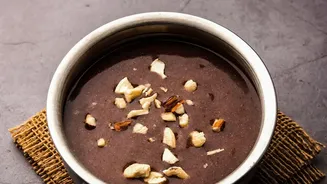
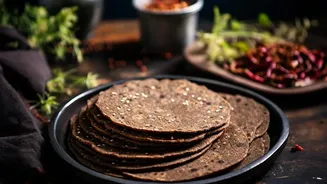
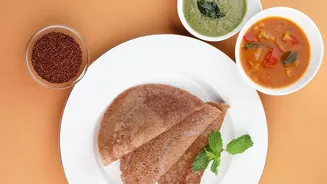
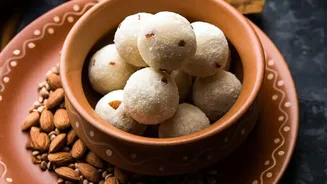
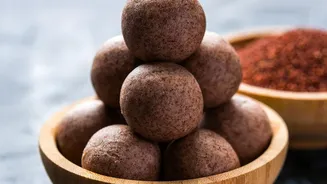
Known for its dense nutritional profile, especially its high calcium content, ragi (finger millet) has an earthy flavour that pairs wonderfully with jaggery, coconut, and chocolate. Its deep colour adds a beautiful, rustic hue to traditional sweets. For a modern twist, try making Ragi Chocolate Barfi or a decadent Ragi Halwa by combining roasted ragi flour with cocoa powder, milk, and a natural sweetener. You can also give classic ladoos a healthy makeover by using sprouted ragi flour, jaggery, nuts, and a generous dollop of ghee for a melt-in-the-mouth experience. Even traditional favourites like modak and kheer can be recreated with ragi for a healthier, fibre-rich alternative.
Bajra: The Warming Pearl Millet
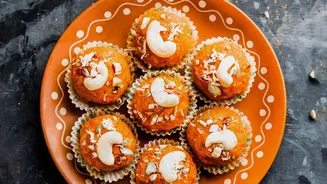
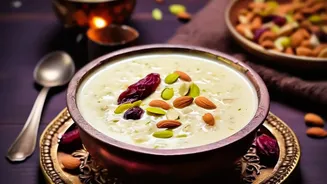
Bajra (pearl millet) is known for being a warming grain, traditionally consumed in the winter months. It is rich in iron and protein, making it an energy-dense choice for festive sweets. Bajra has a slightly nutty flavour that complements other ingredients beautifully. A classic festive preparation is Bajra Kheer, a creamy pudding made by cooking the millet in milk and sweetening it with jaggery or sugar. Another popular option is Bajra Ladoos, which can be made by simply roasting bajra flour, mixing it with powdered jaggery and warm ghee, and shaping into balls. For a creative twist, consider making Bajra Halwa, a gluten-free alternative to the traditional sooji or atta halwa that comes together quickly and offers a unique caramel-like flavour.
Jowar: The Versatile and Gentle Grain
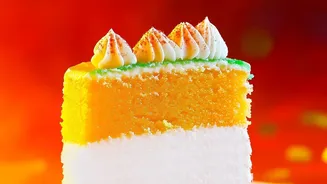
Jowar (sorghum) is perhaps the most versatile of the millets, with a mild and slightly sweet flavour that makes it an easy substitute in many recipes. It's known for being light on the stomach and is packed with protein, fibre, and antioxidants. You can create delicious and healthy Jowar Ladoos by roasting the flour and combining it with dates, coconut, and nuts. Another fantastic option is a Jowar Halwa or Sheera, where roasted jowar flour is cooked with ghee, water, and jaggery until it becomes a rich, aromatic dessert. For those who love baking, jowar flour can be incorporated into cakes and cookies, offering a gluten-free and nutritious base for your creative festive bakes.
Tips for Perfect Millet Sweets
Cooking with millets can be slightly different from using refined flours. For the best results, always roast the millet flour on a low flame until it releases a nutty aroma; this removes any raw taste. Since millet flours absorb a lot of liquid, you may need to adjust the amount of milk or water in your recipe to avoid a dense final product. When substituting, a good starting point is to replace about 25% of the regular flour with millet flour. Finally, don't be afraid to use natural sweeteners like jaggery, dates, or honey, which complement the earthy notes of millets perfectly and add another layer of nutrients to your desserts.