


A Major Push From The Top
A significant driver of the millet revival has been a coordinated effort by the Indian government. Spearheading a proposal at the United Nations, India was successful in having 2023 declared the 'International Year of Millets'. This campaign was designed
to raise global awareness about the nutritional and environmental benefits of these grains. The initiative triggered a nationwide push, with both central and state governments launching schemes to promote millet cultivation and consumption. This includes providing subsidised seeds to farmers, including millets in the Public Distribution System (PDS), and creating awareness campaigns to bring these grains back into the mainstream.
The Modern Superfood Appeal
In an era of heightened health consciousness, the nutritional profile of millets is a powerful draw. Unlike refined staples like white rice and wheat, millets are nutritional powerhouses. They are naturally gluten-free, making them ideal for those with celiac disease or gluten sensitivity. Furthermore, they are rich in dietary fibre, protein, and essential minerals like magnesium, iron, and potassium. A key benefit gaining attention is their low glycaemic index, which helps in managing blood sugar levels by ensuring a slow release of energy, a crucial factor for a country with a growing diabetic population.
Beyond the Traditional Bhakri
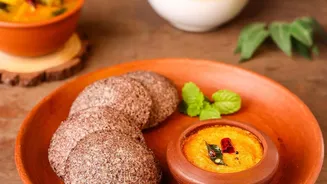
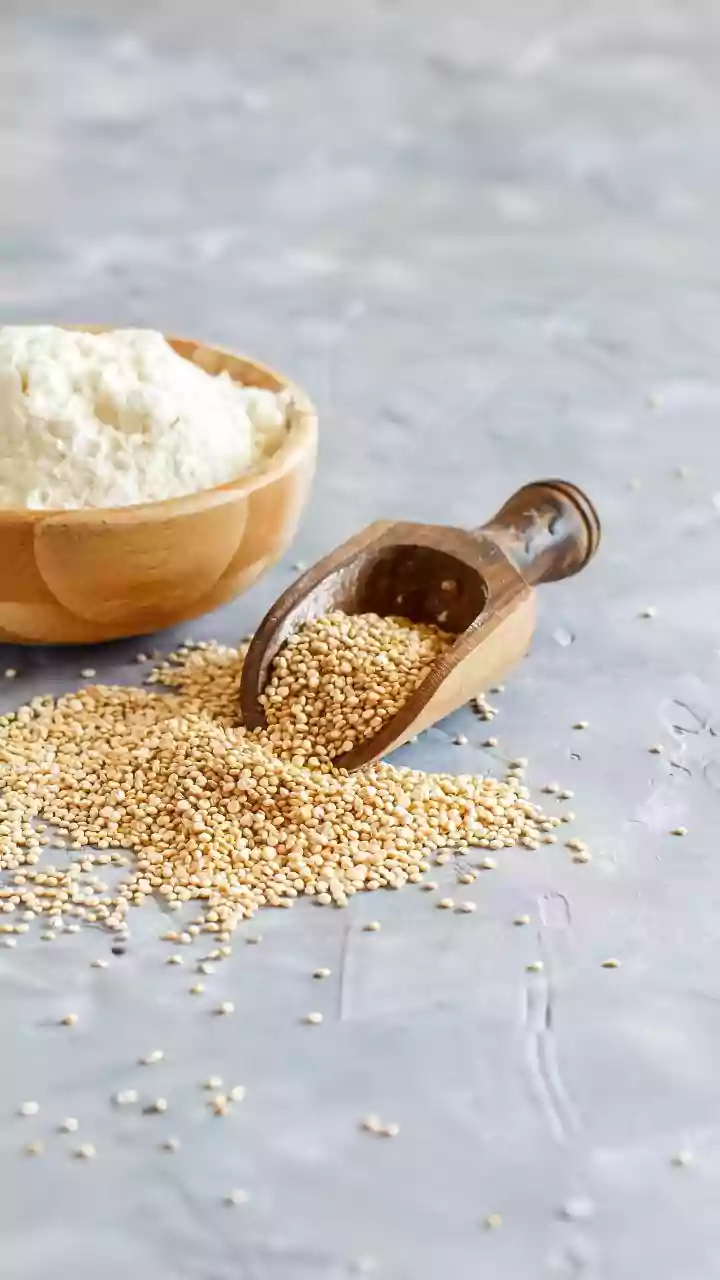
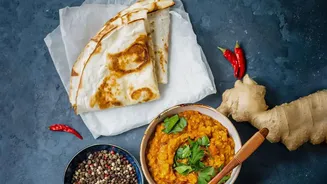
For millets to truly enter the modern kitchen, they needed to be more than just a rustic alternative. Today, home cooks and professional chefs are moving far beyond traditional preparations like bhakri or porridge. The culinary world has embraced millets for their versatility. You can now find ragi dosas, foxtail millet upma, jowar pizza bases, and even millet-based desserts like bebinca and kalakand. This innovation is supported by a growing market of convenient, ready-to-use products like millet flours, breakfast mixes, and pasta, making it easier than ever for busy households to incorporate these grains into their daily meals.
A Climate-Smart Choice
The conversation around millets isn't just about health; it's also about sustainability. Millets are famously resilient crops. They require significantly less water than rice and wheat, can thrive in arid conditions and marginal soils, and are often more resistant to pests and diseases. In a time of increasing climate uncertainty and water scarcity, cultivating millets is a practical choice for farmers, especially in rain-fed agricultural regions. This environmental advantage resonates with a growing number of consumers who are looking to make more sustainable food choices.
Returning to Ancestral Roots
For many, the return to millets is also a cultural homecoming. These grains were staples across India for millennia before the Green Revolution prioritised high-yield rice and wheat varieties, pushing millets to the sidelines. The current revival is partly fuelled by a renewed interest in traditional food systems and ancestral wisdom. People are rediscovering grains that have been part of their regional food heritage for generations, from ragi in the south to bajra in the west. This shift represents a move away from monoculture diets towards a more diverse and traditional plate that is both nourishing and culturally significant.