
The Flapper Bandeau: A Roaring Twenties Icon
The 1920s were a period of dramatic social change, and fashion was no exception. As women bobbed their hair, they embraced the flapper bandeau—a decorative headband worn low across the forehead. This wasn't just an accessory; it was a statement of independence.
Inspired by the Art Deco movement's clean lines and the discovery of King Tutankhamun's tomb, these bandeaus were often lavishly decorated with beads, feathers, and geometric patterns. They were the perfect complement to the dropped-waist dresses of the Jazz Age, worn to speakeasies and dance halls. Today, the bandeau's spirit lives on. To bring a touch of 1920s glamour to a modern look, try a delicate, jewelled or metallic headband worn close to the hairline with an evening dress. It’s an elegant nod to history without feeling like a costume.
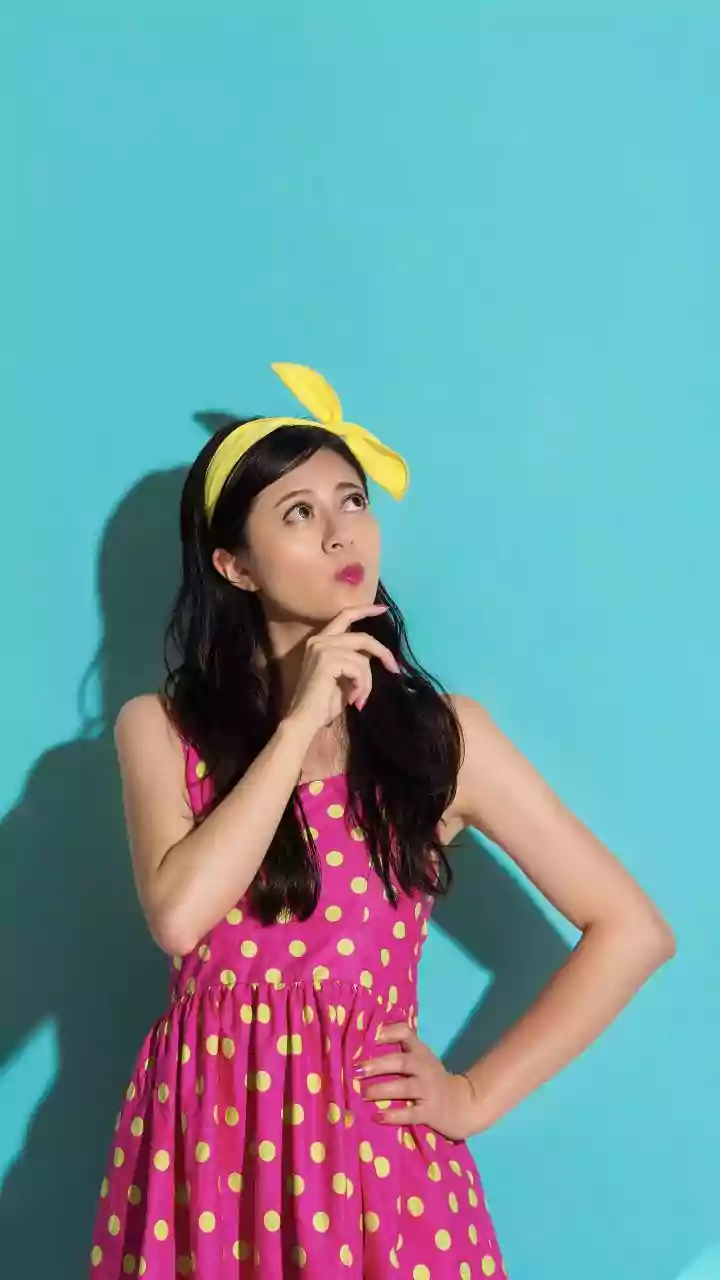
The Head Scarf: A Symbol of 1940s Resilience
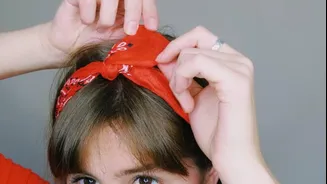
In the 1940s, the head scarf transformed from a simple accessory into a powerful symbol of practicality and patriotism. With many women joining the workforce to support war efforts, scarves and bandanas became essential for keeping hair safely tucked away from machinery. This gave rise to the iconic 'Rosie the Riveter' look. Scarves were also used to protect intricate hairstyles, like victory rolls, between visits to the beauty parlor. Some were even printed with morale-boosting propaganda slogans. To style a head scarf today, you can channel the wartime look by folding a square scarf into a triangle and tying it at the nape of your neck, letting the ends hang loose. For a simpler approach, tie one around a ponytail or bun to add a pop of colour and vintage flair to an everyday outfit.
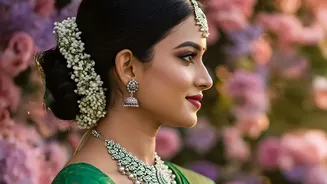
The Decorative Comb: An Art Deco Staple
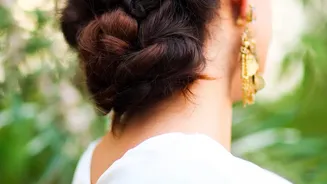
While hair combs have existed for centuries, they reached a new level of artistry in the early 20th century. In the 1920s and 1930s, decorative combs, often made from celluloid to resemble tortoiseshell and embellished with rhinestones, became a popular way to accent the sleek, waved hairstyles of the era. These were not just functional items for holding a bun or twist in place; they were wearable pieces of art that added a touch of sparkle and sophistication. Women would often wear them angled on the side of the head, making them visible fashion statements. Modern styling is all about placement. Use a vintage-inspired comb to secure a soft French twist or a half-up hairstyle. It’s an understated way to add a bit of decorative detail and elegance, letting the accessory become a subtle focal point.
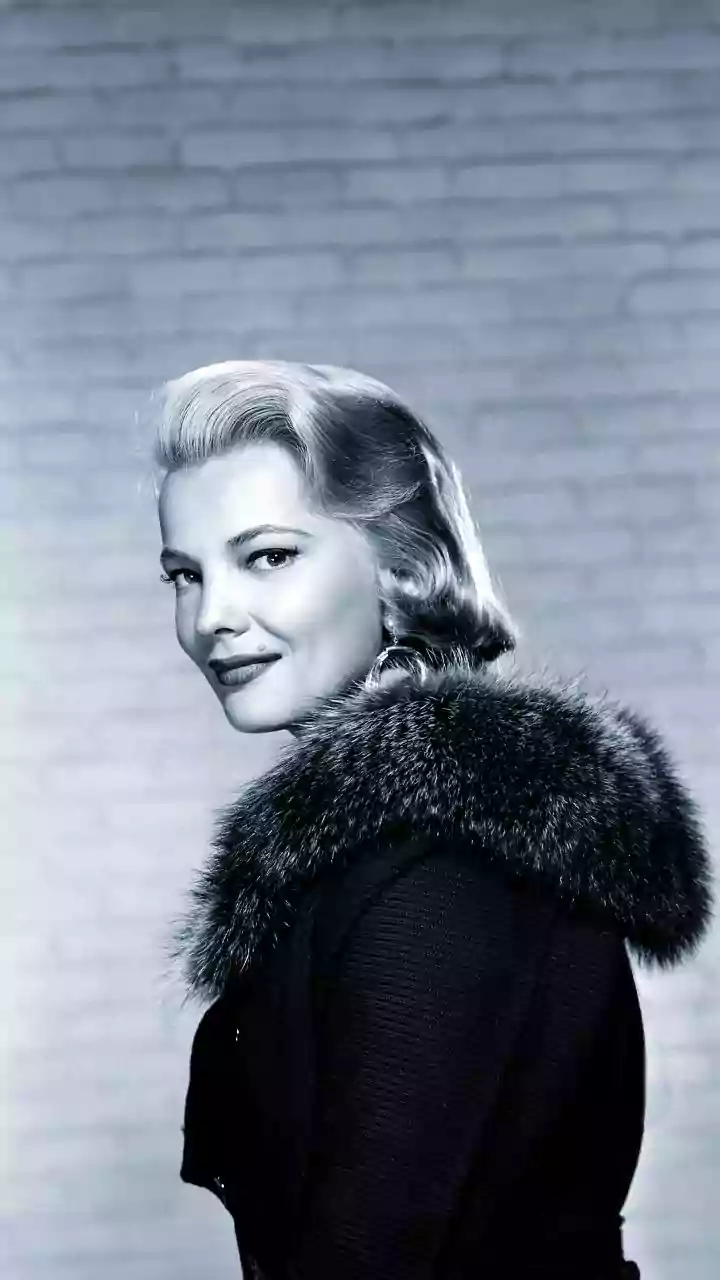
The Wide Headband: A Sixties Signature
The 1960s were a decade of two distinct headband styles. The early part of the decade saw the rise of the 'mod' look, characterized by wide, solid-coloured fabric or plastic headbands worn with voluminous, teased hairstyles like the beehive. This polished style was popularized by fashion icons of the era. As the decade progressed, the counter-culture movement brought about the bohemian 'hippie' headband. This version was often made of leather, beads, or flowers and worn across the forehead with long, straight hair, symbolizing a more free-spirited and natural aesthetic. To incorporate this into a contemporary wardrobe, use a wide, soft headband to smooth your hairline and frame your face for an instantly polished look. For a more bohemian vibe, a thin, patterned scarf tied around the crown of your head works beautifully with loose waves.
The Barrette: From Function to Fashion
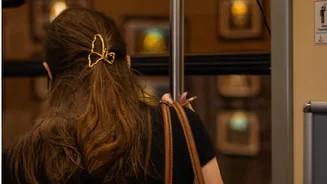
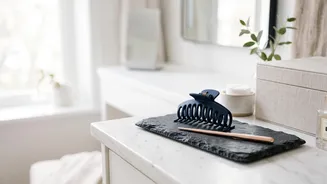
The humble barrette, a simple clasp designed to hold hair in place, has a history that stretches back to the early 20th century. While initially purely functional, barrettes became increasingly decorative by the 1950s and saw a major resurgence in the 1980s and 1990s with colourful plastic snap-clips and rhinestone-studded designs. Recently, oversized and statement barrettes have made a significant comeback, moving from a child's accessory to a high-fashion staple. They offer an effortless way to elevate a simple hairstyle. Today's take on the barrette is versatile. Use a single, chic metallic or acetate barrette to sweep hair back from your face for a minimalist look. Alternatively, stack multiple smaller clips for a more playful, nostalgic effect. It's a simple accessory that adds personality with minimal effort.