






1. Finalise Your Destination and Budget
First things first: where are you going and how much will you spend? September opens up a world of possibilities. In Europe, the summer crowds have thinned, offering pleasant weather in countries like Italy and Greece. In Southeast Asia, the monsoon is
often retreating, making it a good time for places like Vietnam or Indonesia. When choosing, consider not just the flight cost but also the on-ground expenses. A realistic budget is your most important travel tool. It dictates your choice of accommodation, activities, and duration. Be honest about what you can afford, and remember to set aside a contingency fund for unexpected costs.
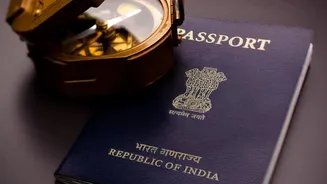
2. Sort Out Your Passport and Visa
This is a non-negotiable step. Check your passport’s validity immediately. Most countries require it to be valid for at least six months from your intended date of departure. Also, ensure you have at least three blank pages. Next, research the visa requirements for your chosen destination. As of September 2026, Indian passport holders have visa-free access to around 25 countries and visa-on-arrival in 40 others, but a majority of destinations, including the Schengen Area, UK, and USA, require a visa in advance. Visa rules can change, so always verify the latest information on the official embassy or consulate website. Don't leave this for the last minute, as processing times can be unpredictable.
3. Time Your Flight Bookings
Booking flights is often the biggest pre-trip expense, and timing is everything. September is generally considered a shoulder season and one of the cheaper months to fly internationally from India. For long-haul flights to Europe or North America, the optimal booking window is typically 3-6 months in advance. For short-haul destinations in the Middle East or Southeast Asia, you can often find good deals 6-10 weeks before your travel date. Set up fare alerts on multiple travel portals to track prices for your route. Booking too early (over six months out) or too late (within a month) often means paying a premium.
4. Secure Comprehensive Travel Insurance
Travel insurance is not an optional extra; it's a critical safety net. For some destinations, like the 29 countries in the Schengen Zone, having travel insurance with a minimum medical cover of €30,000 is a mandatory visa requirement. Even where it's not compulsory, the high cost of medical care abroad makes it essential. A good policy should cover emergency medical expenses, trip cancellation, baggage loss or delay, and passport loss. Compare plans from different providers, focusing on the coverage amount and exclusions rather than just the premium. For trips to the USA or Canada, opt for a significantly higher sum insured due to exorbitant healthcare costs.
5. Plan Your Foreign Currency
Don't wait until you're at the airport to think about money. Airport currency exchange counters typically offer the worst rates. The best practice is to handle your foreign exchange before you leave India through an authorised bank or forex provider. A smart strategy is the 70/30 rule: load about 70% of your budget onto a multi-currency forex card and carry the remaining 30% as cash for immediate expenses like taxis and tips. Forex cards offer better exchange rates and are more secure than carrying large amounts of cash. Always inform your Indian bank about your travel plans to ensure your debit and credit cards work smoothly overseas.
6. Make Flexible Accommodation Bookings
Once your flights are booked, turn your attention to accommodation. While it’s tempting to lock everything in at once, consider making reservations with flexible cancellation policies. This gives you the freedom to adjust your plans if you find a better option or if your itinerary changes. Use hotel booking platforms that allow you to filter by 'free cancellation'. This is particularly useful if your visa is still being processed. Having proof of accommodation is often a requirement for visa applications and can be asked for by immigration officials upon arrival.