




Embrace Mighty Millets
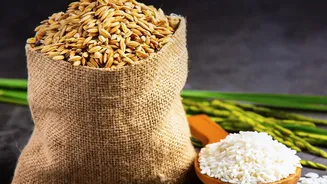
Millets are a fantastic choice for the monsoon. Grains like jowar (sorghum), ragi (finger millet), and bajra (pearl millet) are light and easy to digest, which is crucial when the body's digestive fire (agni) is weaker. They are packed with fibre, which aids
digestion and prevents sluggishness. Millets like barnyard and foxtail are particularly recommended during this season. You can enjoy them in various forms, such as warm porridge, light khichdi, or soft rotis, making them a versatile and comforting staple for rainy days.
Favour Cooked Seasonal Vegetables
While the markets are flush with greens, the monsoon demands caution. It's best to opt for vegetables that are seasonal and cooked well. Gourds like lauki (bottle gourd), turai (ridge gourd), and parwal (pointed gourd) are excellent choices as they are light and easy on the stomach. Other good options include okra (bhindi) and brinjal. According to Ayurveda, it's wise to limit raw foods like salads during this time, as they can be harder to digest and may carry a higher risk of microbes. Steamed or lightly cooked vegetable preparations are ideal. If you do consume leafy greens, ensure they are washed thoroughly.
Savour Immunity-Boosting Fruits
Fruits are a great way to get a dose of essential vitamins and antioxidants to help fight off seasonal infections. Good choices for the monsoon include jamun (Java plum), plums, cherries, and peaches. These fruits are rich in Vitamin C and other antioxidants that support the immune system. Pomegranates and pears are also highly recommended. These fruits not only provide vital nutrients but are also generally easy to digest. It's best to eat them fresh and whole rather than as juices to retain their fibre content.
Spice Up Your Health
Indian spices are not just for flavour; they are powerful wellness allies, especially during the monsoon. Spices like turmeric, ginger, garlic, and black pepper have well-known anti-inflammatory and antibacterial properties. Incorporating them into your daily cooking can help boost immunity and aid digestion. A pinch of turmeric in your milk or dal, freshly grated ginger in your tea, and a bit of black pepper in your soup can make a significant difference in keeping seasonal colds and coughs at bay.
Choose Light Proteins
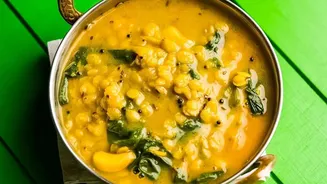
Heavy meals can overwhelm a sluggish digestive system during the monsoon. It's advisable to opt for lighter sources of protein. Moong dal is highly recommended as it's easy to digest and can be prepared as a light soup or in khichdi. Khichdi, a simple one-pot dish of rice and lentils, is considered one of the best meals for the rainy season. It provides balanced nutrition without being heavy on the stomach. Limiting heavy, oily curries and red meat can help prevent indigestion and bloating.
Stay Hydrated with Warm Drinks
Staying hydrated is important, but how you do it matters. Instead of cold drinks, which can dampen the digestive fire, opt for warm beverages. Drinking boiled or warm water throughout the day is a simple yet effective practice. Herbal teas made with ingredients like tulsi, ginger, and lemon are excellent for soothing the throat and boosting immunity. Warm, clear soups are another great way to stay hydrated while getting a dose of nutrients from cooked vegetables.