


The Annual Emergency Is Back
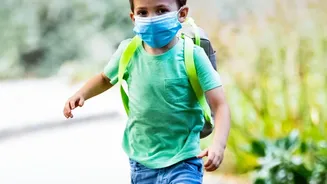
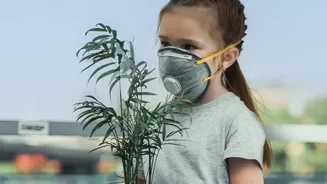
November in Delhi has become synonymous with dangerously poor air quality. As of this week, the Air Quality Index (AQI) has consistently remained in the 'Very Poor' to 'Severe' categories. In response, the Commission for Air Quality Management (CAQM)
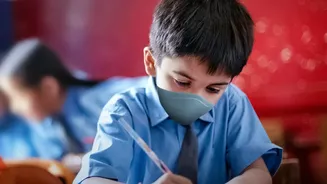
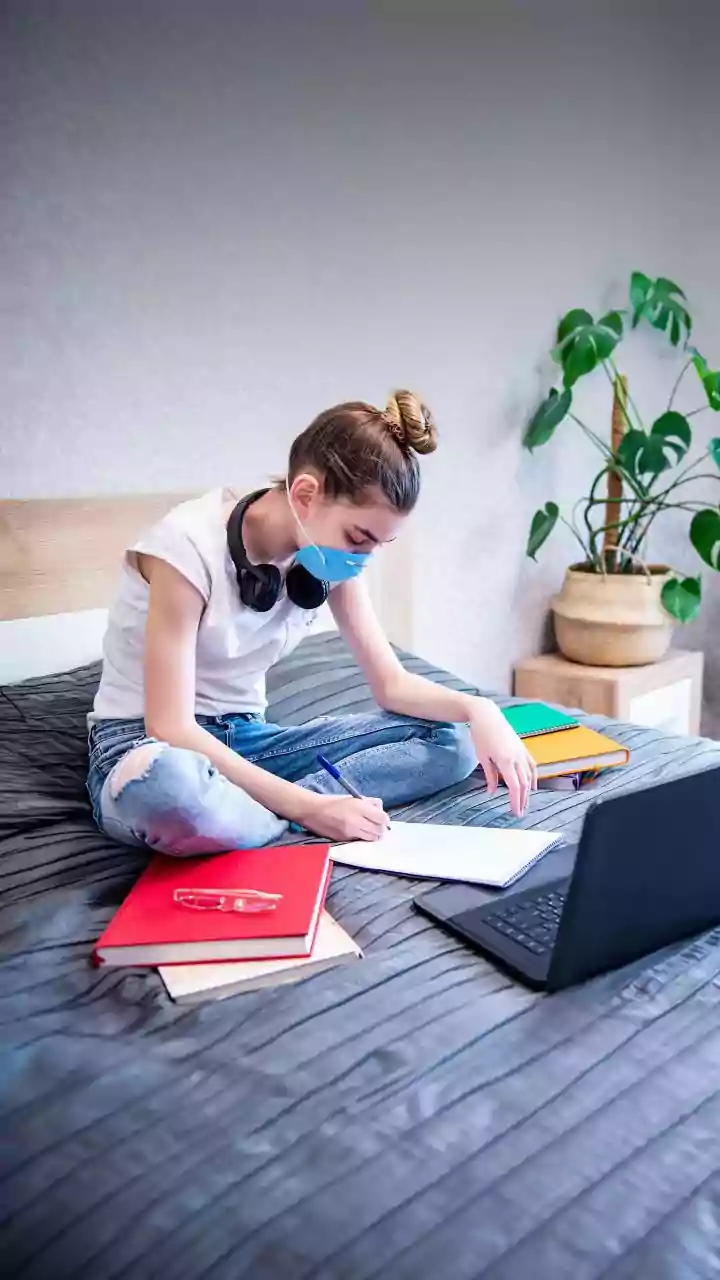
has enacted Stage III of the Graded Response Action Plan (GRAP). This has prompted the Delhi Directorate of Education to direct all schools to shift classes up to Class 5 to a hybrid model, allowing children to learn from home to avoid exposure to the toxic air. While this is a necessary precaution to protect young lungs, it forces children into a state of semi-confinement, trading the classroom for the living room.
From Playgrounds to Pixels
The switch to online classes means children are once again tethered to screens for their education and, increasingly, their entertainment. This abrupt shift disrupts routines, eliminates crucial in-person social interaction with peers, and drastically reduces physical activity. Experts warn that this isn't a simple inconvenience; it's a fundamental change to a child's daily reality. The lack of outdoor play deprives them of a natural way to expend energy, develop motor skills, and de-stress. Instead, their world shrinks to the size of a laptop or tablet screen, a situation that many find isolating and mentally taxing.
The Anxiety Connection Explained
So, how does being stuck indoors with a screen translate to anxiety? According to child health specialists, it's a multi-layered problem. Firstly, the lack of physical activity means the natural release of endorphins, the body's 'happy hormones', is diminished, which can lead to increased irritability and mood swings. Secondly, prolonged screen time itself is linked to mental health challenges. It can overstimulate a child's developing nervous system, disrupt sleep patterns, and shorten attention spans. Dr. Syed Hubbe Ali, a UNICEF health specialist, explains that when children can't go outside, they turn to digital platforms, creating a cycle of screen dependence that can fuel anxiety, especially when tied to social media validation.
More Than Just 'Smog Blues'
The anxiety triggered by this situation is more than just feeling sad about bad weather. A 2024 survey highlighted that many children feel 'trapped' during these periods. Experts point to a range of symptoms parents should watch for: increased irritability, changes in eating or sleeping habits, emotional outbursts, social withdrawal, and a general sense of restlessness or fear. For many children, especially those in families with limited resources, online classes can be a struggle, adding academic stress to the mix. Furthermore, research shows that children can absorb the anxiety of their parents, and the constant news and conversation about hazardous air quality can create a feeling of living under a persistent threat.
What Parents Can Do to Help
While the larger pollution crisis requires systemic solutions, experts advise that parents can take steps to mitigate the psychological impact on their children. Creating a structured daily routine that is not entirely screen-based is crucial. This includes setting clear boundaries for online classes versus leisure screen time. Prioritising activities that don't involve screens, such as board games, reading, or creative projects, can provide a much-needed mental break. It's also vital to maintain social connections, even if virtually, by arranging video calls with friends and family. Most importantly, parents should foster open conversations, allowing children to express their feelings of frustration, boredom, or anxiety without judgment, and reassuring them that their feelings are valid.