




Why We Jump to Conclusions
In the digital age, skepticism is a healthy survival instinct. We are constantly bombarded with everything from harmless memes to sophisticated deepfakes and politically charged misinformation. Platforms like WhatsApp, Facebook, and Twitter are fertile
ground for manipulated content designed to evoke a strong emotional response. This environment has trained us to be suspicious, and an uncredited image often feels like the first red flag. The assumption is that if an image were legitimate, its creator or a reputable source would be attached. While this caution is understandable and often justified, automatically labelling an uncredited photo as 'fake' means we might misunderstand or dismiss genuine content.
The Life of an Uncredited Image
There are numerous non-malicious reasons why a real photograph might appear without a credential. Many social media platforms automatically strip metadata—the hidden data containing details like the photographer's name, the date it was taken, and even GPS coordinates—when a user uploads a file. This is often done to protect user privacy and optimize file sizes, but it has the side effect of severing the link between the image and its creator. An image might also be in the public domain, meaning its copyright has expired or it has been released for free use. It could also be user-generated content from a personal account that has been shared so many times the original poster is lost in a sea of reposts. In these cases, the image is authentic, but its digital passport has been misplaced along its journey across the internet.
Fake vs. Out of Context: A Crucial Difference
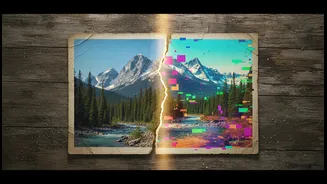
One of the most common forms of visual misinformation doesn't involve a manipulated or AI-generated image at all. Instead, it uses a real photograph in a misleading context. For example, a photo from a natural disaster in one country might be shared years later and presented as evidence of a political protest in another. The image itself is 100% real, but the story it's being used to tell is completely false. This is why verification is about more than just checking if the pixels have been altered; it’s about confirming the when, where, and why of the image. An authentic photo can be a powerful tool for spreading lies if its context is stripped away and replaced.
Your Toolkit for Digital Detective Work
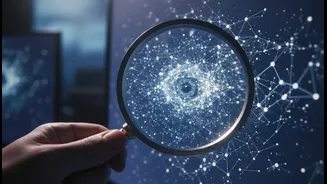
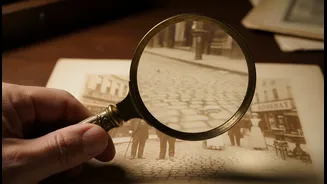
So, how can you investigate an image yourself? The single most powerful tool is a reverse image search. Services like Google Lens and TinEye allow you to upload an image or paste its URL to see where else it has appeared online. This can quickly reveal the original source, show if it’s an old photo being recycled, or link to fact-checking articles that have already debunked a false claim. Beyond that, use your own eyes. Look for inconsistencies in lighting, shadows, and reflections that might suggest elements have been added or removed. With AI-generated images, pay close attention to details like hands, fingers, and text in the background, which AI models often struggle to render perfectly. Finally, check the metadata yourself using an online EXIF data viewer, though be aware this data can be edited or may have been stripped.
When You Should Be More Skeptical
While a missing credit isn't automatic proof of a fake, some situations warrant higher suspicion. Images that are extremely provocative, politically charged, or designed to spark outrage should always be examined closely, especially if they appear without a link to a credible news source or photographer. Photos depicting miraculous events, shocking celebrity scandals, or unverified scientific breakthroughs are classic targets for manipulation. If an image seems too good, too wild, or too perfectly aligned with a particular narrative to be true, it’s a signal to pause and investigate before you believe or share it. The goal isn’t to dismiss everything, but to apply critical thinking where it’s needed most.