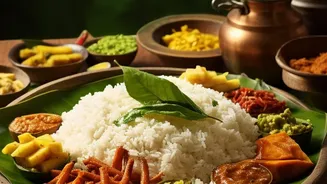





In the landscape of an Indian meal, it’s often the smallest serving that packs the biggest punch. A spoonful of glistening, spiced pickle can elevate a simple plate of dal and rice into a feast for the senses. But what makes it so special?
A Tale of Two Condiments
On one side,
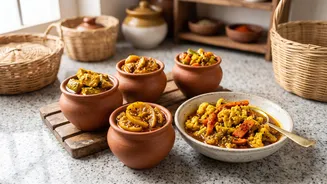
you have the humble jar of 'achaar', a recipe passed down through generations. It’s a vessel of culinary heritage, its contents lovingly prepared from seasonal produce and hand-ground spices. On the other, the slick, squeezy plastic bottle of a mass-market sauce. Whether it's ketchup, a generic 'hot and sweet', or a creamy sandwich spread, these are products of industrial efficiency. They are designed for consistency and long shelf life, but in the process, they often sacrifice the very soul of what a condiment should be: a flavour enhancer, not a flavour masker. The difference isn't just about taste; it's a fundamental clash of philosophies.
The Purity of the Ingredient List
The first clear distinction lies in the ingredients. A traditional Indian pickle, or achaar, is beautifully simple. It starts with a primary ingredient at its seasonal peak—raw mangoes, limes, gooseberries, or chillies. To this, a careful blend of spices like mustard seeds, fenugreek, and turmeric is added, along with salt and a high-quality oil like mustard or sesame, which act as natural preservatives. Now, flip over a bottle of commercial sauce. The list is often a paragraph long, featuring items like high-fructose corn syrup, modified starch, acidity regulators, stabilisers, and artificial flavours. While these additives are deemed safe, they are shortcuts designed to create a uniform product quickly and cheaply, a world away from the whole, natural ingredients found in a jar of homemade-style pickle.
The Magic of Slow Fermentation
The most significant difference is in the preparation. Heritage pickles are a product of time and patience, relying on natural processes like sun-drying and fermentation. During lacto-fermentation, beneficial bacteria convert the natural sugars in the vegetables into lactic acid. This not only preserves the pickle but also creates an incredible depth and complexity of flavour—tangy, pungent, and deeply savoury notes that are impossible to replicate artificially. This process also populates the pickle with probiotics, the 'good' bacteria known to support gut health. Mass-market sauces undergo a different journey. They are typically cooked, pasteurised, and mixed with vinegar or other acids to ensure stability. This high-heat process kills off any potential microorganisms, including beneficial ones, resulting in a product that is shelf-stable but lacks the living, complex flavours that fermentation provides.
A Symphony of Flavour vs. a Monotone of Sweetness
Taste the two sidebybandside, and the contrast is stark. A good pickle offers a multi layered flavour experience that complements a meal. It provides a burst of salty, sour, spicy, and umami notes that cut through richness and enhance the other elements on the plate. Mass market sauces, particularly those like ketchup or sweet chilli sauce, often lead with one dominant note: sweetness. This reliance on sugar can overwhelm the palate and mask the actual taste of the food it's served with. While a pickle is a supporting actor that makes the star of the dish shine brighter than many commercial sauces tend to steal the show with a simplistic sugary profile.
A Taste of Home and Heritage
Beyond the ingredients and science than pickles carry a profound cultural weight in India. They are a taste of home than tangible link to family recipes and regional traditions. The act of making pickles is often a communal seasonal ritual than practice of preservation that embodies love and care. Each jar tells a story of a specific place than particular family than unique blend of spices. In contrast than mass produced sauce is globally homogenized. It is designed to taste the same whether you buy it in Delhi London or New York. It is product of convenience not of culture while undeniably useful it lacks soul and sense of identity that makes heritage pickles an irreplaceable part of India culinary landscape.