




The Science Simplified
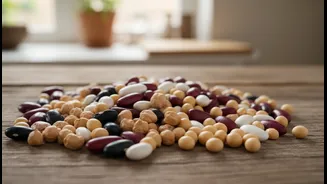
A major new analysis has put the humble bean back in the health spotlight. Researchers from the UK and Norway pooled data from 12 long-term studies involving over 300,000 people and found a strong link between higher legume intake and a lower risk of
developing hypertension, or high blood pressure. The findings, published in BMJ Nutrition, Prevention & Health, showed that individuals with the highest intake of legumes were 16% less likely to develop the condition. The benefit appeared to be most significant for those consuming around 170 grams of legumes per day—roughly equivalent to one cup of cooked beans—who saw a risk reduction of up to 30% compared to those who ate none.
The Power Players in a Pod
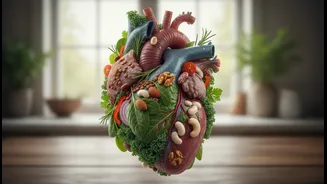
So, what makes beans such a potent force for good? It's all about their impressive nutritional profile. Beans and other legumes are packed with potassium, magnesium, and dietary fibre—three nutrients well-known for their blood pressure-lowering properties. Potassium helps your body balance sodium levels, while magnesium plays a crucial role in relaxing blood vessels, reducing the strain on your heart. The high fibre content is also key; it aids in lowering cholesterol and can be broken down by gut bacteria into compounds that help blood vessels widen. Additionally, some beans contain an amino acid called arginine, which the body converts into nitric oxide, a molecule that helps blood vessels expand and relax.
A Rainbow of Beans for Your Plate
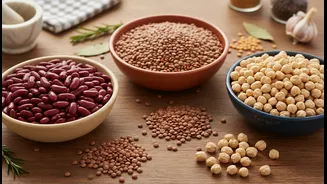
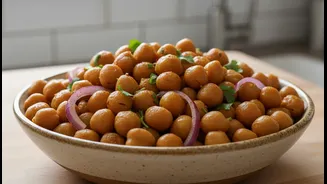
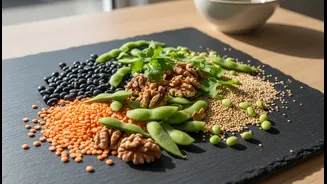
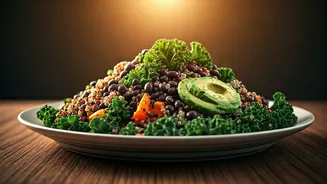
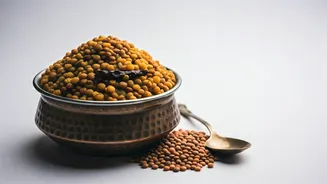
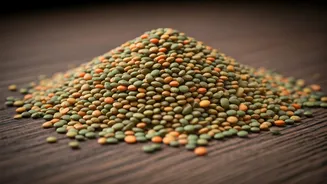
The great news for Indian food lovers is that the benefits are not limited to one specific type of bean. The term 'legume' covers a wide family, including lentils (dal), chickpeas (chana), kidney beans (rajma), black beans, pinto beans, and peas. Kidney beans, for instance, are an excellent source of folate, while black beans are rich in antioxidants. Chickpeas, the star of chana masala and hummus, are loaded with fibre and protein. The research suggests that variety is a good approach, as different beans offer a unique combination of vitamins, minerals, and bioactive compounds. From the everyday toor and moong dal to the festive rajma, our traditional cuisine has celebrated these nutritional powerhouses for centuries.
Bringing Beans to the Indian Table
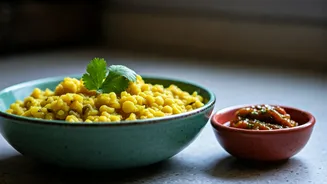
Incorporating 170 grams of legumes daily might sound like a lot, but it's more achievable than you think, especially within an Indian dietary context. This is about the equivalent of a generous katori of dal and a serving of a bean-based curry like chana masala or lobia. You can start by ensuring at least one of your main meals features a legume prominently. For a protein-packed breakfast, consider a pesarattu (moong dal dosa) or a simple sprouts salad. For lunch or dinner, classic pairings like dal-chawal or rajma-chawal are not just comfort food, they are a complete protein source when combined. Snacking on roasted chickpeas or adding a handful of boiled beans to your salad are other easy ways to boost your intake.
A Note on Preparation
How you prepare your beans matters. While canned beans are convenient, they can be high in sodium, which can counteract the blood pressure benefits. If you use canned beans, be sure to rinse them thoroughly under running water to wash away excess salt. The best approach, however, is to use dried beans. Soaking them overnight and cooking them from scratch not only gives you control over the sodium content but also often results in better flavour and texture. When cooking, use herbs and spices for flavour instead of relying heavily on salt. A pinch of asafoetida (hing) during cooking can also aid digestion, addressing a common concern some people have with beans.