





The Scale of the Spoilage Problem
India is one of the world's largest producers of fruits and vegetables, yet a significant portion of this bounty is lost post-harvest. Studies have shown that losses for fruits can range from 6% to as high as 15%. For highly perishable fruits like guava,
the figure can climb to over 15%. These losses don't just happen in one place; they accumulate across the supply chain. Inadequate storage, poor handling, and, critically, transportation are major culprits. Bumpy roads can cause bruising and physical damage, while long transit times due to congestion mean delicate produce spends too long in transit, often without proper temperature control, leading to spoilage.
Highways as Agricultural Lifelines
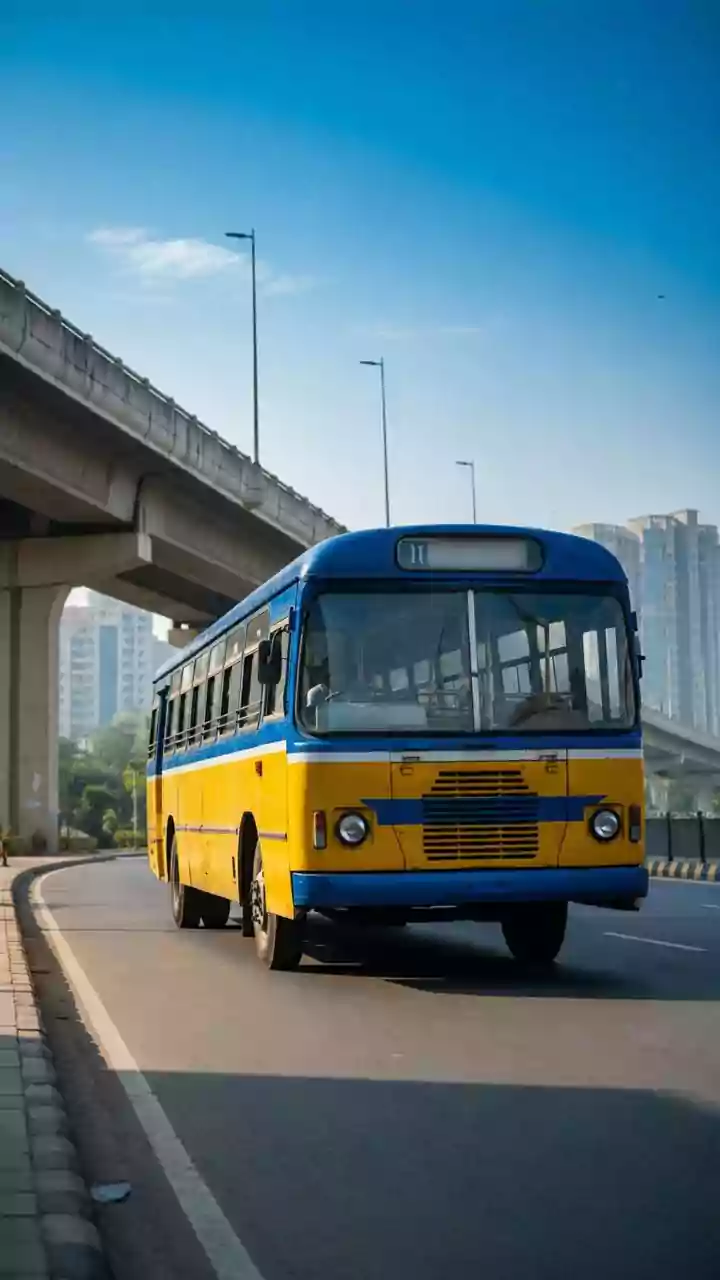
This is where large-scale infrastructure upgrades, like the Bharatmala Pariyojana, become game-changers. This ambitious programme is focused on creating economic corridors, expressways, and improving national highways to enhance connectivity and slash logistics costs. For a farmer transporting delicate mangoes or grapes, a well-paved, multi-lane highway means a shorter, smoother journey. Travel time between key production and consumption hubs can be cut dramatically, sometimes by several hours. This reduction in transit time is a direct weapon against spoilage, ensuring fruit arrives at markets faster and fresher, thereby reducing waste.
Enabling the Cold Chain Revolution
Better roads do more than just speed things up; they enable the entire modern cold chain to function effectively. A cold chain is an uninterrupted series of refrigerated production, storage, and distribution activities. Running temperature-controlled 'reefer' trucks is expensive and inefficient on poorly maintained roads. Smooth, reliable highways make these vehicles a more viable and efficient option for transporters. This allows perishable goods to be kept at optimal temperatures from farm to market, drastically extending their shelf life. The growth of India’s cold chain logistics market, projected to be worth over USD 14 billion in 2026, is intrinsically linked to the simultaneous improvement of its road network. Without good roads, the cold chain remains broken.
From Farm to Fork: The Ripple Effects
The benefits extend well beyond simply reducing waste. When farmers can get their produce to market with minimal losses, they secure better prices and higher incomes. Improved connectivity gives them access to new, more distant markets that were previously unreachable. For consumers, this translates into better quality produce being available in stores. Furthermore, a more efficient supply chain helps stabilise prices by ensuring a more consistent supply. By tackling food loss through infrastructure, the nation is also enhancing its food security. Every fruit saved from spoiling on a highway is another fruit available for consumption, strengthening the entire agricultural value chain.