





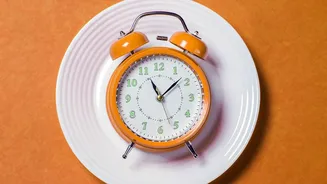


Your Body’s Internal Clock
Deep inside every one of us is a master timekeeper. It’s called the circadian rhythm, a 24-hour internal clock that governs everything from when we feel sleepy to our hormone levels and digestion. This biological clock is located in the brain but sends
signals to “peripheral clocks” in organs all over the body, including the pancreas and liver, which are crucial for managing blood sugar. This system is naturally synced to the daily cycle of light and darkness, telling your body when to be active and when to rest. Modern life, with its artificial lights and irregular schedules, can easily throw this delicate rhythm out of sync, affecting our metabolic health.
Why Meal Timing Matters for Glucose
The link between your body clock and food is a field called chrononutrition. Research shows our bodies are primed to handle food best during the day. In the morning, our insulin sensitivity is at its peak. This means the cells in our body are highly responsive to insulin, the hormone that helps move glucose (sugar) from our bloodstream into our cells for energy. As the day progresses into the evening and night, our insulin sensitivity naturally decreases. This is partly because our body starts producing melatonin to prepare for sleep, and high melatonin levels can interfere with insulin’s effectiveness. As a result, the same meal eaten late at night can cause a much larger blood sugar spike than if it were eaten earlier.
The Case for an Earlier, Larger Meal
The headline suggests shifting big meals to the afternoon, and while that's better than a late dinner, the science points even more strongly to the morning. The saying “Eat breakfast like a king, lunch like a prince, and dinner like a pauper” holds a lot of scientific weight. Studies show that people who eat their largest meal earlier in the day tend to have better blood sugar control and lower insulin resistance. One study found that eating dinner at 6 p.m. instead of 10 p.m. led to an 18% lower blood sugar spike. By front-loading your calories, you are working with your body’s metabolism, not against it. Your body is more efficient at burning those calories for energy during its active daytime phase.
The Trouble with Late-Night Eating
Eating a large meal close to bedtime presents a double challenge for your body. Firstly, since your insulin sensitivity is lower, your pancreas has to work overtime to produce more insulin to manage the influx of glucose, which can lead to elevated blood sugar levels overnight. This can disrupt sleep and, over time, increase the risk for metabolic issues like insulin resistance and type 2 diabetes. Secondly, your metabolism is naturally slowing down to prepare for rest. Consuming a lot of calories at this time means they are more likely to be stored as fat rather than used for energy. This is why many studies link late-night eating with weight gain and a higher risk of obesity.
Simple Adjustments for Better Balance
You don’t need to completely overhaul your life to see benefits. The key is to shift your eating window earlier. Aim to finish your last meal at least three to four hours before you go to sleep. If you can, try to make breakfast or lunch your most substantial meal of the day, and keep dinner lighter. If you get hungry in the evening, opt for a small, healthy snack that combines protein, fibre, and healthy fats, like a handful of nuts or a small bowl of Greek yoghurt, rather than something high in refined carbs and sugar. Consistency is also important; try to eat your meals at roughly the same times each day to help keep your internal clocks synchronised.