

The Vibe: Rejuvenation vs. Relaxation
The fundamental difference between a monsoon trip to Kerala versus Goa lies in the atmosphere. Kerala, during its two monsoon seasons (the first from June to August and a second, lighter one from October to November), leans into a philosophy of rejuvenation
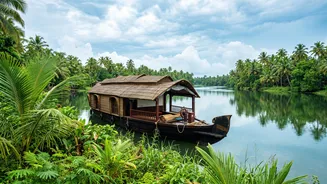
and healing. This is the traditional time for 'Karkidaka Chikitsa', a period of Ayurvedic treatments. The cool, humid air is believed to make the body more receptive to therapies, opening pores for better absorption of medicinal oils. The vibe is introspective and serene; think watching the rain fall over the backwaters from a houseboat or a quiet resort dedicated to wellness. Goa, on the other hand, offers a more relaxed, unhurried version of its usual vibrant self. The monsoon (June to September) is the official off-season, meaning the legendary beach shacks and bustling markets are quieter, and many are closed. Instead of parties, the focus shifts to a more social but laid-back pace. You’ll find fewer crowds, discounted hotel rates, and a chance to see Goa's lush interior. The atmosphere is perfect for those who want the beauty of Goa without the peak-season noise, offering quiet walks on dramatic, rain-swept beaches and cosy afternoons in quaint cafes.
The Landscape: Backwaters vs. Waterfalls
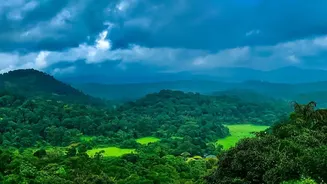
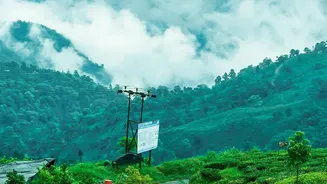
Both states transform into lush green paradises, but their star attractions differ. In Kerala, the monsoon breathes life into its famous backwaters. The network of lakes, canals, and rivers in places like Alleppey and Kumarakom swell with rainwater, creating an emerald world best explored by houseboat. The state’s hill stations, like Munnar and Wayanad, become shrouded in mist, with tea plantations looking freshly washed and waterfalls at full strength. The beauty here is gentle, immersive, and sprawling.
Goa’s monsoon landscape is more dramatic and concentrated. Its biggest draw is the spectacular Dudhsagar Falls, which becomes a powerful, four-tiered torrent during the rains. The state's hilly interiors in the Western Ghats, particularly the Chorla Ghats, come alive with dense foliage and smaller, seasonal waterfalls. While Kerala’s fame rests on its backwaters, Goa offers scenic river cruises on the Mandovi and Zuari, winding through mangrove forests. Spice plantations near Ponda are another highlight, becoming intensely fragrant and offering fascinating tours followed by traditional Goan meals.
The Activities: Ayurveda vs. Adventure
Activity-wise, the choice is between wellness and culture. Kerala's monsoon is synonymous with Ayurveda. It's the prime season for detoxification programs like Panchakarma, designed to cleanse the body and mind. Beyond wellness, the Onam festival, a major harvest celebration, often falls in August or September, offering a spectacular display of culture with snake boat races (Vallamkali), traditional dances, and elaborate feasts.
Goa offers a different kind of engagement. While the sea is too rough for swimming or water sports, a different set of adventures opens up. The state celebrates unique monsoon festivals like Sao Joao in June, where people jump into wells, and the Bonderam festival on Divar Island in August. For the adventurous, white-water rafting on the Mhadei River is a popular monsoon activity. For a more relaxed pace, travellers can explore the rain-washed lanes of Fontainhas, Goa’s Latin Quarter in Panjim, or visit the historic churches of Old Goa without the usual crowds.
The Practicalities: Costs and Cautions
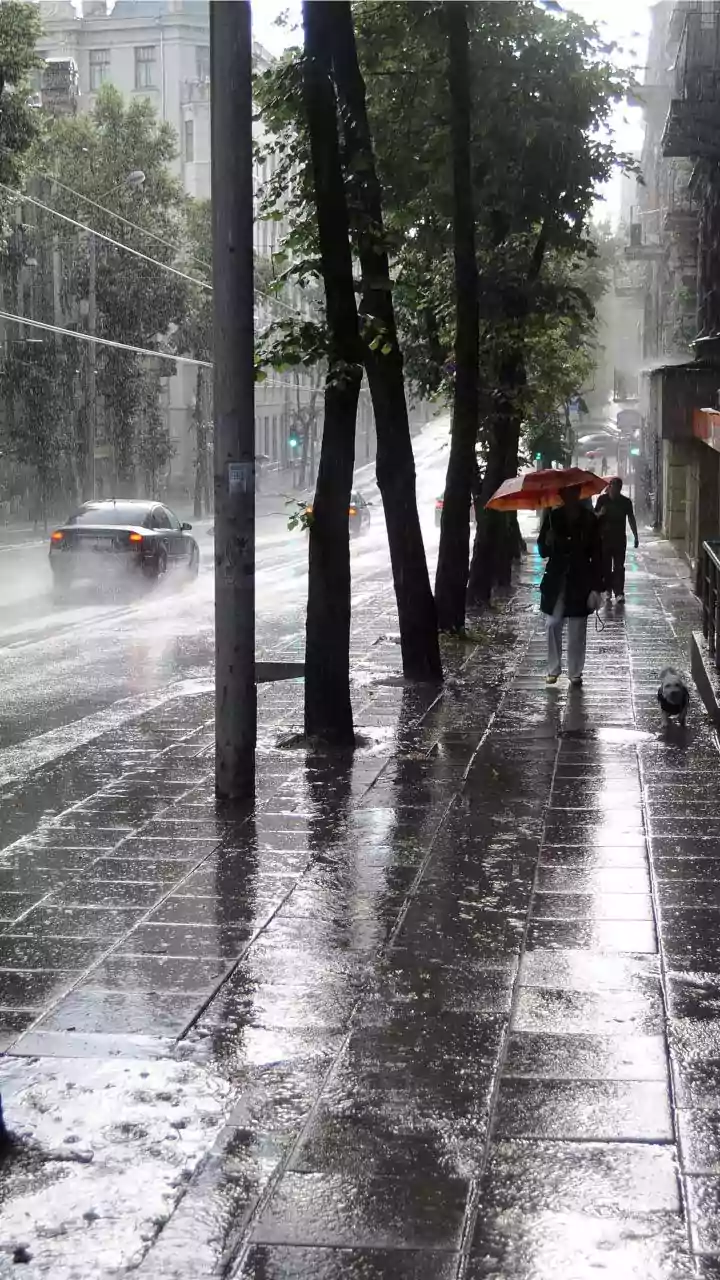
For travellers, the monsoon in both states means significant savings. As it's the off-season, flights and luxury accommodations can be substantially cheaper. However, the rainfall patterns differ. Kerala's monsoons can be intense, though it typically rains for a few hours before the sun comes out. It’s wise to have a flexible itinerary as heavy downpours can cause travel delays or temporary road closures, especially in hilly areas.
Goa also sees heavy rain, but its smaller size can make it easier to navigate. The main thing to expect is that the beach-centric tourist infrastructure largely shuts down. Don't arrive expecting bustling shacks and water sports. Both destinations require similar packing: waterproof footwear, quick-dry clothing, and a good raincoat or umbrella. It's also crucial to monitor weather forecasts and heed local safety warnings, particularly regarding swollen rivers and waterfalls in both states.