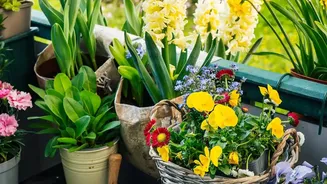

The August Watering Puzzle
For many Indian gardeners, August is defined by the monsoon. But this doesn't mean you can abandon your watering can. The season often brings intense downpours followed by sunny, humid spells that can leave soil surprisingly dry. This inconsistency is the biggest
challenge. Gardeners often continue their summer watering schedule out of habit, or they stop watering altogether, assuming the rain is sufficient. Both approaches are risky. The key isn't to water more or less, but to water smarter by paying close attention to your plants and the soil they live in. Overwatering is a leading cause of plant failure during the rainy season, primarily because it leads to root suffocation and rot.
Ditch the Calendar, Check the Soil
The single most important piece of advice for August is to water based on the soil's condition, not a fixed schedule. The 'finger test' remains the most reliable method: push your finger about two inches into the soil. If it feels moist, your plant does not need water, even if the surface looks dry. If it feels dry at that depth, it's time to water. For larger pots, a wooden chopstick can serve the same purpose; if it comes out damp and with soil clinging to it, there is still moisture in the root zone. This simple act of observation prevents the number one mistake of the season: drowning roots in soil that is already saturated from recent rain.
Promote Drainage to Prevent Root Rot
Careful watering is useless if the water has nowhere to go. Root rot, a fungal disease that thrives in soggy conditions, is the silent killer of the monsoon garden. When roots sit in waterlogged soil, they are deprived of oxygen and begin to decay, even as the leaves above show signs of wilting that can be mistaken for thirst. Before the heavy rains peak, ensure every pot has clear, unobstructed drainage holes. If possible, elevate your pots using bricks or 'pot feet' to allow excess water to escape and improve air circulation underneath. Crucially, always empty the saucers or trays beneath your pots after a heavy shower; leaving plants to sit in standing water is a direct invitation for root rot.
Water Deeply and in the Morning
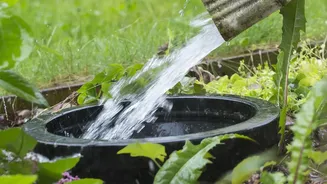
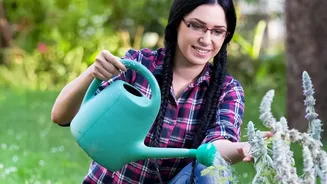
When you do determine that your plants need water, the technique matters. Opt for deep, thorough watering rather than a light, daily sprinkle. Deep watering encourages roots to grow further down into the pot, making the plant more resilient during unexpected dry spells. The best time to water is always early in the morning. Watering at dawn allows the plant to absorb moisture before the heat of the day, reduces wasteful evaporation, and gives the foliage time to dry. Wet leaves overnight create a perfect breeding ground for fungal diseases, which are already rampant in the high humidity of August.
Special Care for Balconies and Containers
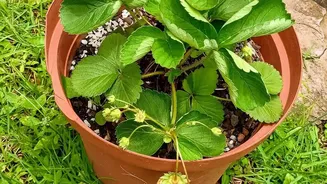
Plants in containers, especially those on balconies and terraces, are entirely dependent on you for their care and are more vulnerable to watering errors. Small terracotta pots and hanging baskets dry out much faster than large garden beds and may need more frequent checks, particularly during sunny breaks in the monsoon. Conversely, indoor plants will need significantly less water, as the high ambient humidity slows down moisture evaporation from the soil. For all container plants, using a light, well-aerated potting mix with ingredients like coco peat or perlite is far better than using heavy garden soil, which compacts easily and retains too much water.