



Cucumber: The Hydration Hero
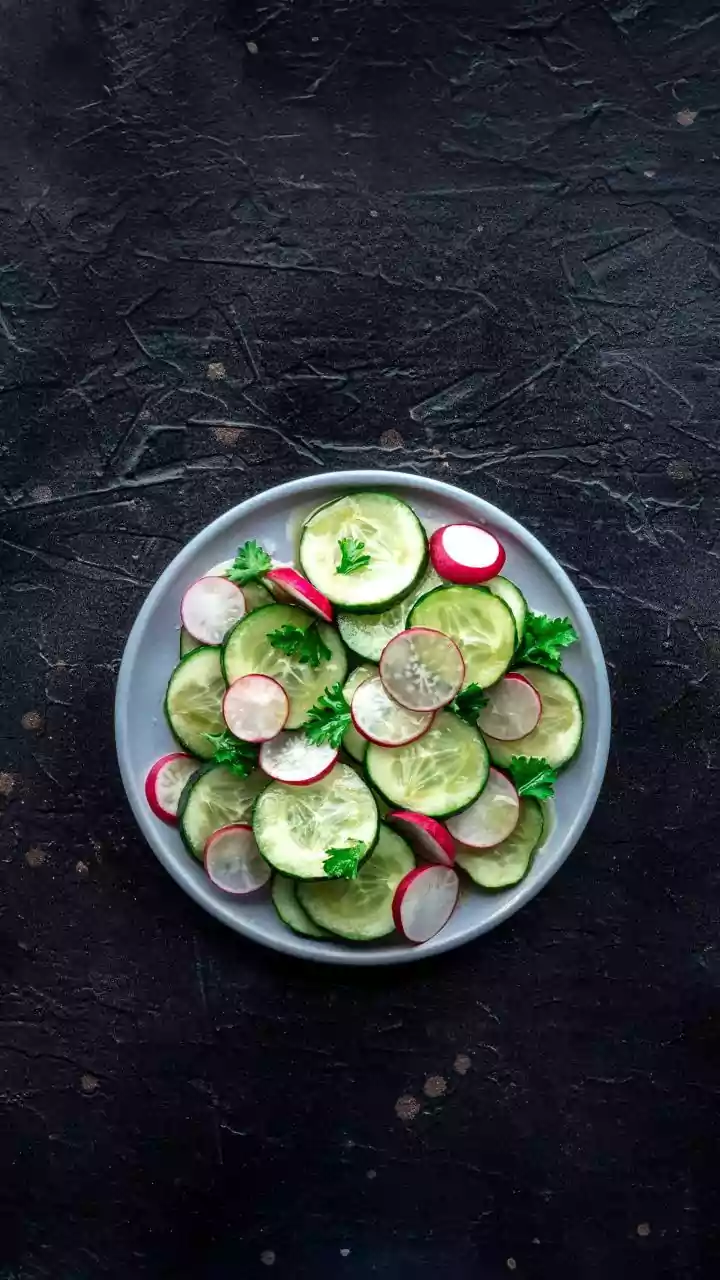
Often celebrated for its refreshing quality, the humble cucumber is a digestive powerhouse primarily due to its high water content. Comprising about 96% water, cucumbers are exceptionally hydrating. Proper hydration is fundamental for good digestion,
as it helps the body break down food, absorb nutrients, and prevent constipation by keeping stools soft and easy to pass. Beyond water, cucumbers also provide dietary fibre, especially when eaten with the peel on. This includes a type of soluble fibre called pectin, which can increase the frequency of bowel movements and feeds the beneficial bacteria in your gut, further enhancing digestive wellness. Its high water content and fibre work together to ensure the entire digestive system runs smoothly, helping to regulate bowel movements and prevent the discomfort of constipation.
Beetroot: The Fibre-Rich Root
Beetroot brings a vibrant colour and an earthy sweetness to any salad, along with a host of digestive benefits. It is an excellent source of dietary fibre, containing both soluble and insoluble types. Insoluble fibre adds bulk to your stool, which helps it move through the intestines and prevents constipation, while soluble fibre helps absorb water and supports a healthy gut environment. One cup of beetroot can provide nearly 4 grams of dietary fibre, which is crucial for regularity. Beetroot also contains prebiotics, which are non-digestible fibres that serve as food for the good bacteria in your gut, like lactobacilli and bifidobacteria. A thriving gut microbiome is essential for efficient digestion and overall health. Furthermore, beetroot contains a compound called betaine, which can support liver function and help improve the breakdown of foods.
Sprouts: Packed with Living Enzymes
Sprouts, which are essentially germinated seeds of grains or legumes, are miniature nutritional powerhouses. One of their most significant benefits for digestion is their high concentration of living enzymes. The sprouting process activates enzymes like amylase and protease, which help break down carbohydrates and proteins in our food. This pre-digestion makes the nutrients in sprouts—and the other foods you eat with them—easier for your body to absorb and can reduce the strain on your digestive system. Sprouting also significantly increases the fibre content of the seed and reduces anti-nutrients like phytic acid. Anti-nutrients can interfere with the absorption of minerals like iron, zinc, and calcium, so their reduction means your body can access more of the good stuff from your food. This makes sprouts gentler on the stomach than their unsprouted counterparts.
Building the Ultimate Digestive Bowl
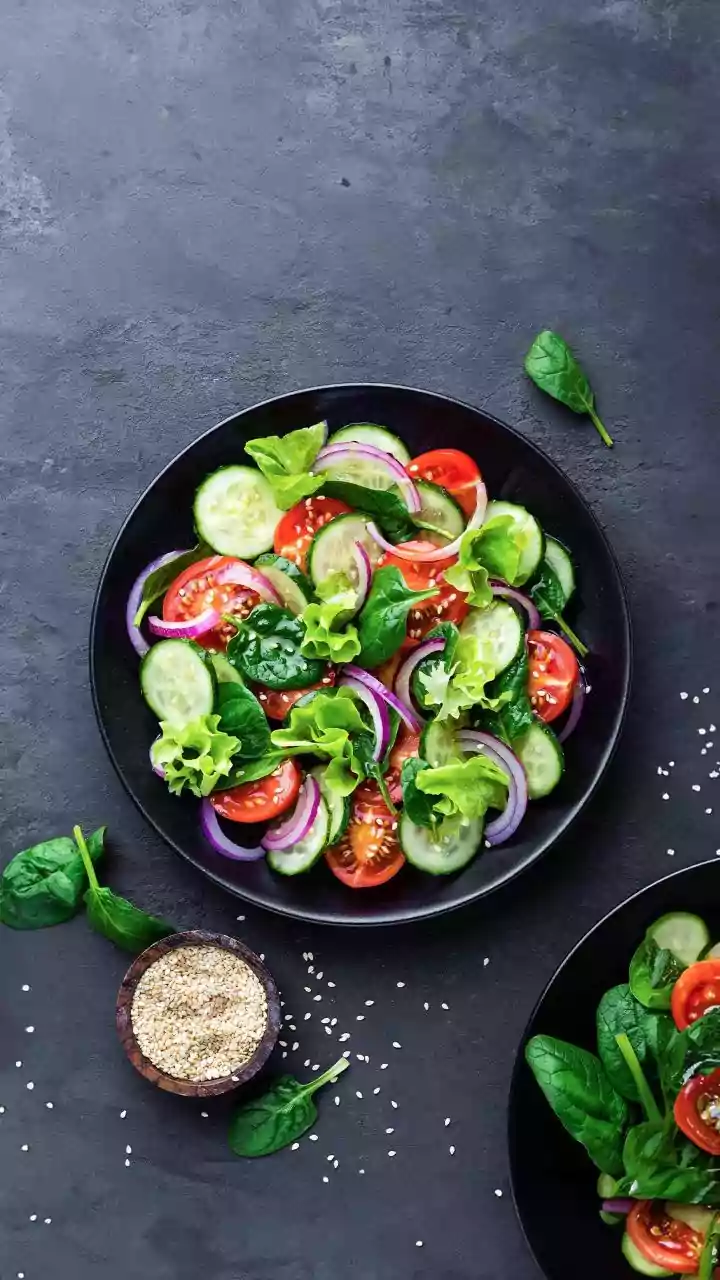
To maximise the digestive benefits, think of cucumber, beetroot, and sprouts as the foundation of your salad. You can build upon this base with other gut-friendly ingredients. Start with a bed of leafy greens like spinach or romaine for extra fibre. Consider adding fermented foods like pickled vegetables, which contain probiotics—the beneficial bacteria that support a healthy gut microbiome. A light vinaigrette made with apple cider vinegar and extra virgin olive oil can also aid digestion. The vinegar can help your body break down food, while the olive oil provides healthy fats. To make it a complete meal, add a source of lean protein, such as grilled chicken, chickpeas, or quinoa. By combining these elements, you create a meal that is not only delicious and satisfying but also actively works to support and improve your digestive function, leaving you feeling light and energised.