






What is the Honesty Era?
The 'honesty era' in snacking marks a significant shift in consumer priorities and brand strategies. It's a move away from exaggerated health halos and complex ingredient lists toward simplicity and transparency. Instead of relying on buzzwords, 'honest'
brands are betting that today's consumers are savvy enough to make their own decisions if given clear, straightforward information. This trend is defined by a commitment to clean labels, which means shorter, recognizable ingredient lists and the absence of artificial additives or preservatives. It’s a direct response to a growing crisis of confidence in food systems, where vague terms like 'natural' have lost their meaning for many.
The Driving Force: Conscious Consumers
This shift isn't happening in a vacuum; it's being driven by a new generation of health-conscious consumers. Shoppers in India are increasingly reading labels before buying, checking for things like trans fats and unfamiliar chemicals in a way that was uncommon just a few years ago. Studies show that a vast majority of consumers, as high as 94%, are more likely to be loyal to a brand that offers complete transparency. This demand is particularly strong among parents, with over 60% willing to spend more for healthier snack options for their children and considering clear ingredient information a top priority. This conscious consumerism extends beyond just what's inside the pack; it also includes a growing concern for ethical sourcing and sustainable practices.
Clean Labels and Minimal Ingredients
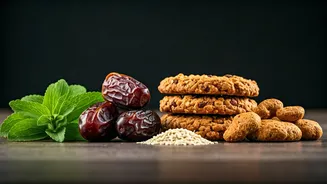
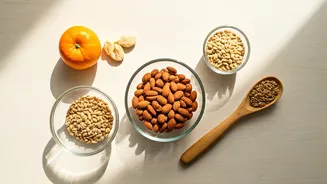
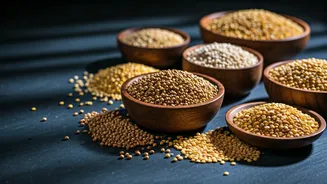
At the heart of the honesty movement is the 'clean label'. This means brands are focusing on using a minimal number of recognizable, whole-food ingredients. Think snacks made from millets, nuts, seeds, and whole grains, without fillers or chemical names you can't pronounce. The 'free-from' category—snacks without gluten, artificial colors, or preservatives—is booming as a result. This trend is pushing even major companies to reformulate their products to remove 'nasties' and simplify their ingredient decks. The goal is to create products that feel less like they were engineered in a lab and more like they were prepared in a kitchen.
From Vague Promises to Functional Foods
The honesty era is also seeing a move away from vague wellness claims toward functional benefits. Instead of just being 'healthy', snacks are now positioned to support specific goals like immunity, gut health, or sustained energy. Brands are incorporating ingredients like probiotics, plant-based proteins, and traditional Indian superfoods like turmeric and ashwagandha to offer tangible benefits. This functional approach is particularly appealing as consumers look for foods that do more than just satisfy hunger; they want snacks that actively contribute to their well-being. The focus is on providing a clear purpose, whether it's a protein bar for post-workout recovery or a fibre-rich bite for better digestion.
Navigating the New Snack Aisle
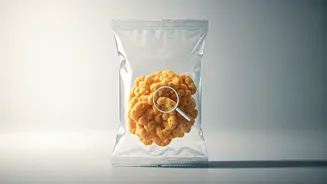
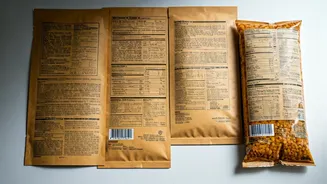
For the Indian consumer, this new era offers more choice but also requires a discerning eye. The market is growing rapidly, with projections showing the Indian healthy snacks market reaching over USD 6 billion by 2030. To navigate this, start by ignoring the flashy claims on the front of the package and turn it over to read the ingredient list. Look for short lists with ingredients you recognize. Be wary of hidden sugars and artificial additives. More brands are also using QR codes and digital labels to provide detailed information on sourcing and production. While indulgence still has its place, especially on weekends, the rise of honest snacking provides healthier, more trustworthy options for daily consumption.