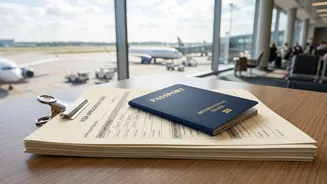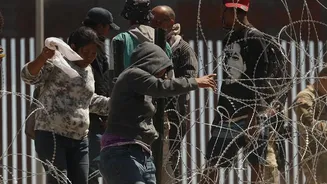




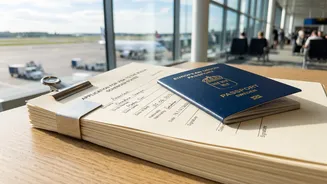


The dream of international travel, once a symbol of freedom and discovery, is increasingly tangled in a web of bureaucracy. For a growing number of travellers, complex visa rules and opaque entry procedures are turning excitement into anxiety.
The Growing Discouragement Among Travellers
The desire
to explore the world remains strong, but the administrative hurdles are mounting. A recent 2026 Global Passenger Survey from the International Air Transport Association (IATA) reveals a significant trend: 43% of passengers reported being discouraged from travelling to a specific destination due to its immigration requirements. This figure is a sharp increase from 33% just a year prior, signalling that visa complexity is no longer a minor inconvenience but a major factor in travel planning. The survey pinpointed complex processes as the primary deterrent for 53% of these discouraged travellers, with cost and privacy concerns also playing a role. This frustration is not just about paperwork; it's about the uncertainty and stress that now accompany what should be an exciting journey.
The Human and Economic Cost of Complexity
For many, especially travellers from India, obtaining a visa for countries like the United States, United Kingdom, Canada, and the Schengen Area has become a formidable task. These processes are often characterized by lengthy application forms, high fees, in-depth interviews, and long waiting times for appointments. In the U.S., for example, the average wait time for a visitor visa interview surged from 26 days in 2019 to 201 days by 2025, a situation exacerbated by reduced consular staffing. This bureaucratic friction has a direct economic consequence. Countries with cumbersome visa rules risk losing billions in tourism revenue. Restrictive policies can lead to a decline in visitors, which in turn impacts airlines, hotels, restaurants, and the entire tourism ecosystem that depends on international spending.
A World of Contradictions: Digital Systems and New Hurdles
The travel landscape in 2026 is a study in contrasts. On one hand, technology promises a more seamless journey. More than 100 countries now offer some form of e-visa, allowing travellers to apply online in minutes. On the other hand, new layers of digital bureaucracy are emerging. The European Union is implementing its Entry/Exit System (EES), which requires biometric registration (fingerprints and facial scans) for non-EU citizens, and plans to launch the European Travel Information and Authorisation System (ETIAS) in the near future. Similarly, the UK now requires an Electronic Travel Authorisation (ETA) for most visa-exempt nationals. While designed to enhance security, these digital systems add another pre-travel step and cost, contributing to the administrative burden that many travellers find discouraging. Seven out of ten travel applications handled by one major firm in 2026 required a paid document or advance authorisation even for 'visa-free' travel.
The Path Forward: A Balancing Act
Governments face the challenge of balancing national security with the economic benefits of tourism. Experts argue that the solution lies in simplification and standardization. The widespread adoption of user_friendly e_visas and Digital Travel Credentials (DTCs), which create a secure and reusable digital identity for travellers, could significantly reduce friction. Some nations are already leading the way. Countries like Vietnam, Malaysia, and Thailand have made travel easier for Indian tourists with visa_free policies or simplified e_visa systems, boosting their tourism sectors. These examples show that a more welcoming approach is possible. For visa_issuing countries, investing in consular staff, streamlining online portals, and providing clear, consistent information could help reverse the trend of discouraged travellers. The goal is to make the journey to the departure gate as smooth as the flight itself.