
Beyond the Basic Boot
For years, monsoon footwear meant one thing: heavy, clunky rubber gumboots. While effective at keeping water out, they often failed on comfort, breathability, and style. The 2026 season marks a departure from this one-dimensional approach. Consumers now
demand shoes that can handle a downpour during the morning commute, look appropriate at the office, and still feel comfortable for an evening out. This has pushed brands to innovate beyond basic rain boots, leading to a new generation of rainwear that blends advanced materials with everyday style. The focus is now on lightweight, versatile options that don't scream "I'm dressed for a flood."
The New Material World: EVA and Jelly
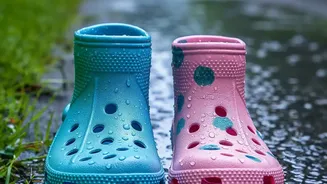
The single biggest driver of this shift is the adoption of new materials. Heavy rubber is being replaced by lighter, more flexible alternatives like EVA (ethylene-vinyl acetate) and modern PVC compounds. EVA, the same foam used in performance running shoes, offers excellent cushioning and is inherently waterproof, making it a perfect base for monsoon footwear. Simultaneously, jelly footwear has made a significant comeback. No longer just a nostalgic item for kids, modern jelly shoes are crafted from premium, soft materials like Melflex, which is waterproof, easy to clean, and surprisingly comfortable. These materials allow for stylish silhouettes like flats, sandals, and even office-appropriate designs that are completely rain-ready.
Grip is the New Priority
One of the most significant—and practical—trends for the 2026 monsoon is the intense focus on grip. Slipping on wet, mossy pavements or slick tiled floors is a major hazard, and footwear brands are finally addressing it head-on. The new standard for monsoon-appropriate shoes is an anti-slip sole with deep grooves and textured tread patterns designed to channel water away and maintain contact with the ground. Technologies borrowed from hiking and trail running shoes, such as rugged lugs and multi-directional tread, are now appearing in everyday sandals and clogs. When shopping, actively look for soles that are described as 'anti-slip' or have visible, complex tread patterns, as a smooth sole can be dangerous in wet conditions.
Style Meets All-Weather Function
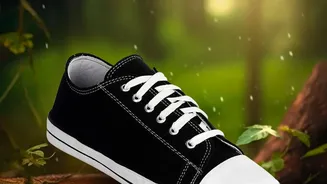
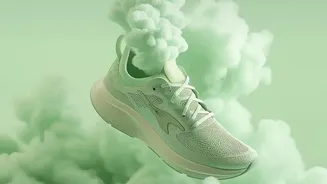
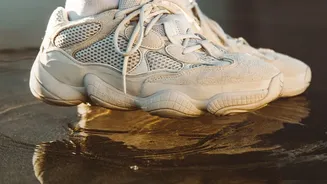
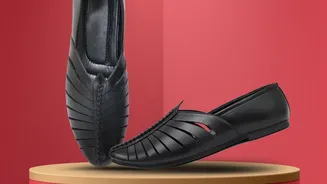
The days of sacrificing style for practicality are over. In 2026, some of the most popular footwear styles are now available in monsoon-proof versions. Waterproof sneakers, for example, use materials like Gore-Tex or have sealed synthetic uppers to keep feet dry without the bulky look of a boot. Crocs and other clogs, once seen as purely functional, have become fashion staples available in new shapes and colours, prized for their comfort and durability. Even classic loafers are being reimagined with water-resistant materials, making them suitable for work during a downpour. Strapped sandals, waterproof slides, and modern fisherman jelly sandals round out the options, proving that rain-friendly footwear can be both chic and sensible.
What to Look For When You Shop
Navigating the new options can be overwhelming. Here's a simple checklist for your next purchase. First, prioritize material: look for EVA, PVC, rubber, or sealed synthetic uppers. Avoid leather and suede, which get destroyed by water. Second, inspect the sole. It should be made of rubber and feature deep, multi-directional grooves for maximum grip. Third, consider the construction. Open designs like sandals and slides allow water to drain out, while waterproof closed-toe shoes offer more protection. Finally, choose lightweight options. A shoe that feels light in the store will feel much better after a long, wet day of walking.