






What Happened to Flight AI 2030?
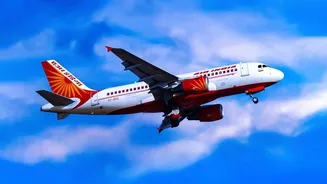
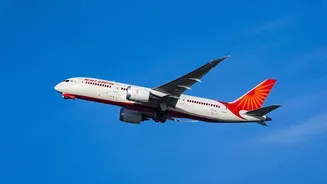
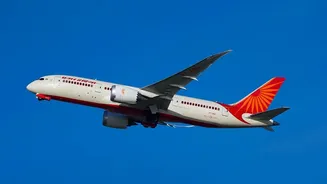
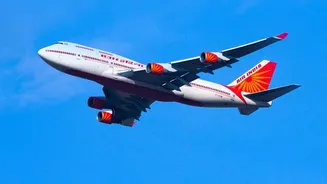
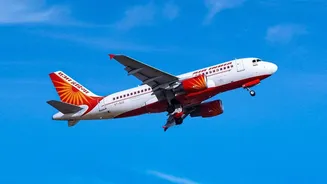
On Wednesday, October 14, Air India flight AI 2030, a Boeing 787-9 operating from Frankfurt to Delhi, was abruptly diverted to Jaipur. The reason was a 'perceived security concern' that appeared on the screens of air traffic controllers. With 293 passengers
and 13 crew members on board, protocols were immediately triggered. The aircraft landed safely in Jaipur around 9:35 AM local time and was moved to a remote isolation bay, a standard procedure in such security alerts. Passengers were deplaned and, along with the aircraft and baggage, underwent thorough security checks by multiple agencies, including the Central Industrial Security Force (CISF). After several hours, the alert was determined to be false, and the flight was cleared to continue its journey to Delhi.
The Ghost in the Radar System
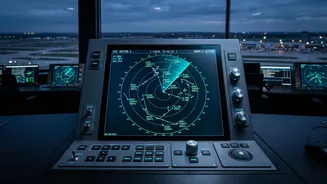
The central mystery of the incident lies not in the cockpit but with ground control's equipment. Initial reports explored whether the pilots had accidentally transmitted 'Squawk 7500', the universal transponder code for a hijacking. However, the pilots of AI 2030 reportedly denied sending any such code, telling controllers that all operations on board were normal. This shifted the focus of the investigation to the Air Traffic Control (ATC) systems on the ground. According to reports, a newly installed radar system at the Mumbai ATC centre is now under intense scrutiny by the Directorate General of Civil Aviation (DGCA). The leading theory is that the system may have generated or falsely displayed the hijack alert, even without receiving the corresponding signal from the aircraft. This highlights a critical distinction: a warning on a controller's screen does not automatically mean a threat exists on the plane.
Why Security Protocols Were Still Followed
Even with the flight crew reporting normal conditions, there was no room for error. Aviation security protocols are designed with an abundance of caution. Once a high-level threat like a 'Squawk 7500' appears, a series of non-negotiable steps are set in motion, regardless of verbal confirmations. The procedure demands that the aircraft be diverted to a designated airport, isolated, and thoroughly checked. This ensures the safety of everyone on board and on the ground. In this instance, the system worked as intended: a potential threat was identified and neutralised through established procedure, even though the threat itself ultimately proved to be non-existent. Air India confirmed in a statement that it was a 'perceived security concern' and that they cooperated fully with authorities to resolve the situation and minimise passenger inconvenience.
The Investigation and What Comes Next
The DGCA is now leading a comprehensive probe into the incident. Investigators will need to reconcile records from the aircraft's systems with the data from the ground-based radar to pinpoint the source of the false alert. Civil Aviation Minister K. Rammohan Naidu has stated that any potential changes to security norms will only be considered after the investigation is complete. Experts have noted that an accidental transmission of the hijack code from a modern cockpit like the Boeing 787's is highly unlikely, as it requires a deliberate, multi-step input. This adds more weight to the theory of a ground-system anomaly. The incident has also raised broader questions about oversight, as key leadership positions within the Airports Authority of India (AAI), which manages air navigation services, have reportedly been vacant.