








Why Monsoon is Risky for Food Lovers
The monsoon brings welcome relief from the heat, but the high humidity creates the perfect breeding ground for bacteria, viruses, and fungi. Food spoils faster, and water sources can become contaminated, leading to a sharp increase in foodborne and waterborne
illnesses like gastroenteritis, typhoid, and hepatitis A. During this season, our digestive system can also become more sluggish, making us more susceptible to issues like bloating and indigestion. Health experts note that cases of food poisoning and other gastrointestinal infections rise significantly between June and September.
The Street Food Dilemma
The allure of street-side chaat, samosas, and pani puri is strongest during a downpour, but this is also when they are riskiest. Vendors often work in open areas where food is exposed to dust, flies, and contaminated rainwater. The biggest culprits are often items that use untreated water, like the water in pani puri or raw chutneys. Pre-cut fruits and salads are also a major hazard, as they can be washed in contaminated water and sit out for long periods. If you must indulge, opt for snacks that are prepared fresh and served piping hot right in front of you, like roasted corn (bhutta) or freshly fried pakoras, as high temperatures kill most germs.
The Problem with Leafy Greens
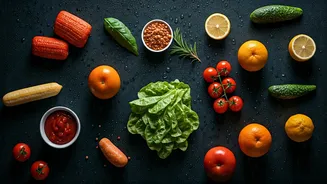
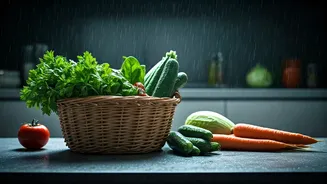
Healthy vegetables like spinach, cabbage, and lettuce become a risky choice during the monsoon. The dampness and grime on their leaves create an ideal environment for germs, worms, and bacteria to thrive. Even thorough washing may not remove all contaminants hidden in the folds of the leaves. Similarly, vegetables with dense florets like cauliflower and broccoli can trap moisture, mud, and insects, making them difficult to clean properly. Health experts advise either avoiding these vegetables or ensuring they are blanched in hot, salted water and cooked thoroughly before eating. Raw salads are best avoided entirely this season.
Smarter Choices at Home
The safest way to satisfy your monsoon cravings is by cooking at home, where you can control the hygiene. Opt for light, easily digestible meals like warm soups, steamed vegetables, and khichdi. Incorporate immunity-boosting ingredients like ginger, garlic, and turmeric into your cooking, which have natural antimicrobial properties. If you're craving fried food, make it at home with fresh oil and consume it immediately. When it comes to hydration, stick to boiled, filtered water or warm herbal teas. Be cautious with dairy products like curd, as they can spoil faster in humid weather unless stored properly.
Key Rules for a Healthy Monsoon
To stay healthy, follow a few simple rules. Always wash your hands thoroughly with soap before preparing or eating food. Wash all fruits and vegetables meticulously with clean water; some experts even suggest using a salt water solution for leafy greens. It is also important to maintain a clean and dry kitchen, as surfaces can harbour germs. Avoid eating stale food or leftovers that have been sitting at room temperature for too long, as bacteria multiply rapidly in such conditions. Choosing seasonal fruits like jamun, pears, and pomegranates can also help boost your immunity.