

Why Go Soil-Free with Hydroponics?
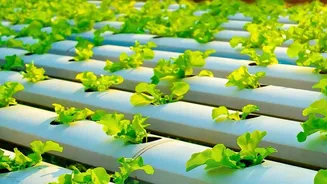
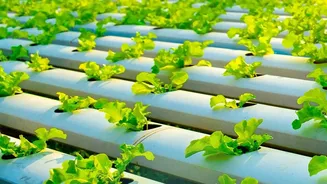
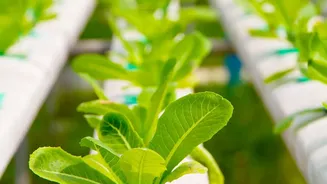
For many urban gardeners, space is a premium and good quality soil can be hard to come by. Hydroponic gardening solves these problems by growing plants directly in nutrient-rich water. This method eliminates the mess of soil, gets rid of soil-borne pests,
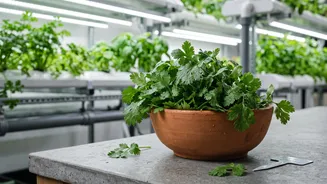
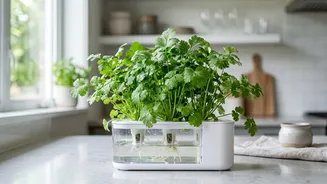
and often leads to faster growth because nutrients are delivered directly to the roots. It's a controlled environment, meaning you can provide your coriander (also known as dhaniya) with exactly what it needs to thrive, resulting in healthy, pesticide-free leaves for your kitchen. Furthermore, hydroponic systems can be incredibly water-efficient compared to traditional gardening.
Your Simple Hydroponic Starter Kit
Getting started with hydroponics doesn't require expensive or complicated equipment. For a basic home setup for coriander, you will need a few key items. First, a container to hold the water; an opaque or dark-coloured tub, bucket, or even a large jar will work well to prevent algae growth. You'll also need net pots, which are small mesh baskets that hold the plant. For the growing medium, which supports the plant in the net pot, you can use inert materials like clay pebbles (LECA), perlite, or coco coir. Finally, you will need coriander seeds and a balanced hydroponic nutrient solution, which is readily available online or at garden centres.
The Easiest Method for Beginners
One of the simplest and most popular hydroponic techniques for beginners is the Kratky method. Named after its inventor, this is a passive system that requires no pumps or electricity. The concept is straightforward: a plant, held in a net pot, is suspended in a lid over a reservoir of nutrient solution. As the plant grows, it consumes the water, causing the level to drop. This drop naturally creates an air gap, which provides the roots with the oxygen they need to breathe. Because the system takes care of itself, it's a 'set-it-and-forget-it' approach that is perfect for growing leafy herbs like coriander with minimal effort.
A Step_by_Step Guide to Planting
To start your hydroponic coriander journey, first prepare the seeds. Coriander seeds have a hard husk, and germination can be improved by gently cracking the husk and soaking the seeds for a few hours. You can sprout them on a damp paper towel in a warm, dark place. While the seeds are sprouting, prepare your container. Cut holes in the lid to fit your net pots. Mix your hydroponic nutrients with water according to the package instructions, as this will be your plant's food source. Once the seedlings have tiny roots, place them into the net pots with your chosen growing medium and set the pots in the lid. Ensure the roots or the bottom of the pots are just touching the nutrient solution. Place the entire setup on a sunny windowsill or under a grow light.
Caring for Your Growing Coriander
Coriander loves light, so aim for at least 12–14 hours of light per day. A south–facing window is ideal, but a simple LED grow light can ensure consistent growth, especially during winter. The ideal temperature for coriander is between $15–$24°C$. One of the biggest challenges with coriander is 'bolting', where the plant flowers prematurely due to heat stress, which can make the leaves taste bitter. Keeping the plant in a cooler spot can help delay this. Once the plant is about $15cm$ tall, you can start harvesting. Snip the outer leaves first, taking no more than a third of the plant at a time. This 'cut–and–come–again' method will encourage bushier growth and a longer harvest period.