



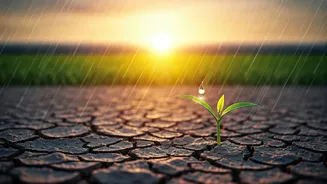


How Weak is the Monsoon?
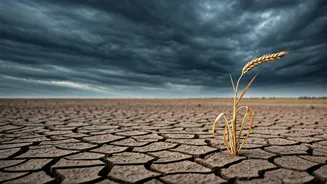
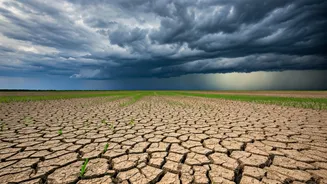
As of late June 2026, the monsoon's performance has been worrying. The country has recorded a significant rainfall deficit, pegged at over 40% below the normal average for this time of year. [3, 12, 19] The India Meteorological Department (IMD) has forecast
a below-normal monsoon for the year, the first such prediction in over a decade, partly due to the developing El Niño weather pattern which is historically associated with drier conditions in India. [3, 7, 15] This delay and deficit have left vast swathes of the country, especially central and western regions, drier than usual, impacting the critical sowing period for summer crops. [2, 9]
Why the Monsoon Matters for Your Food
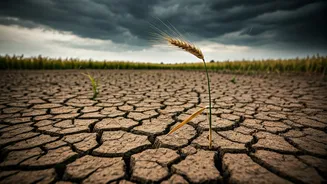
India's agriculture is heavily reliant on the monsoon, which delivers about 70% of the country's annual rainfall. [16, 19] Nearly half of all farmland lacks irrigation, making these rains essential for crop cultivation. [4, 19] The summer (kharif) season, which depends entirely on the monsoon, is when crucial crops like rice, pulses (dal), soybeans, maize, and cotton are planted. [3, 20] A poor monsoon directly translates to lower crop yields, which in turn reduces farm incomes and tightens food supplies, putting upward pressure on prices for everyone. [2, 23]
Which Foods Will Be Most Affected?
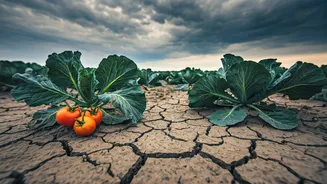
While India currently has comfortable buffer stocks of staple grains like rice and wheat, a prolonged dry spell could impact other essential items on your grocery list. [3, 18] The prices of vegetables, pulses like tur (arhar) and moong, and edible oils are particularly vulnerable to erratic rainfall. [3, 23] Sowing delays have already been reported for crops like soybeans and cotton. [3] Vegetables such as tomatoes and onions, which are sensitive to heat and water stress, could also become more expensive if rainfall remains deficient. [20, 23] Economists note that while a rate hike from the Reserve Bank of India is unlikely in the immediate future, food inflation remains a key concern. [13]
What is the Government Doing?
Recognizing the risk, the central government is taking proactive steps. Contingency plans have been drawn up for over 300 districts identified as vulnerable to a weak monsoon. [4, 5] Of these, 111 districts with very low irrigation coverage (below 25%) are being treated as high priority. [5, 14, 17] States have been advised to encourage farmers to plant short-duration and less water-intensive crops, such as millets and certain pulses. [4, 5, 17] Efforts are also underway to repair water-harvesting structures like ponds and check dams to conserve every drop of water. [4, 19] An 'El Niño Monitoring Cell' has been set up to continuously watch the situation. [17]
Are We Better Prepared Than Before?
India has made structural improvements over the last decade to increase its resilience against erratic weather. [2] Thanks to good rainfall in previous years, major reservoirs hold healthy buffer stocks of water for irrigation and drinking. [2] The expansion of rainwater harvesting infrastructure and a growing reliance on renewable energy (which lessens the strain on hydropower) also provide a safety cushion. [2] However, despite these advancements, a significant monsoon deficit still poses a serious risk to the agricultural sector and rural incomes, particularly in the vast rain-fed farming belts of the country. [2, 23]