



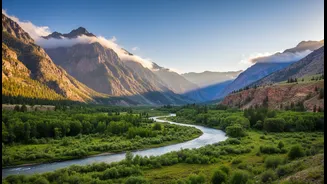


The Alluring Myth of a Landslide-Free Paradise
The headline suggests a simple reason for this trend: that road-trippers are seeking 'secure, landslide-free' mountain passes. This idea is powerful because it speaks to a very real fear. During the monsoon months of July and August, news cycles are often
filled with harrowing images of roads washed away and journeys disrupted in popular hill stations across Himachal Pradesh and Uttarakhand. Recent reports from this month alone detail red alerts, multiple road closures, and significant travel chaos due to heavy rains in these states. In this context, the dream of a safe Himalayan passage is incredibly appealing. However, the claim that any part of the Himalayas is completely free from landslides is, unfortunately, a myth. The geology of the mountain range is young and inherently unstable, making landslides a risk factor everywhere.
The Reality: The Rain Shadow Advantage
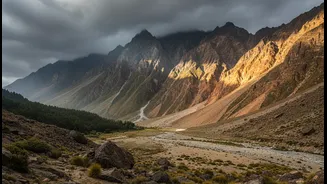
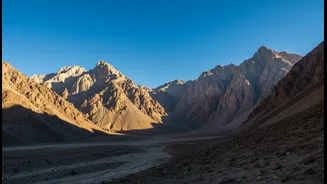
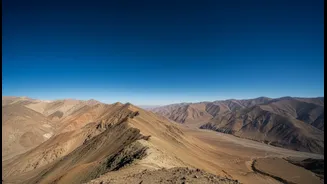
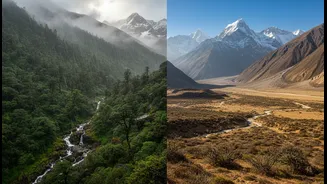
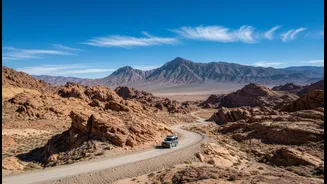
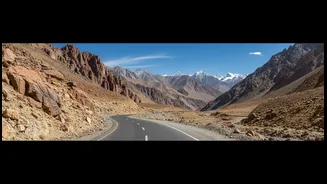
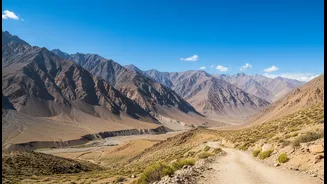
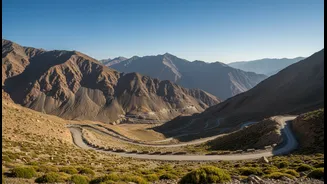
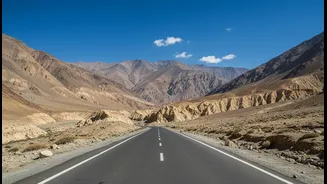
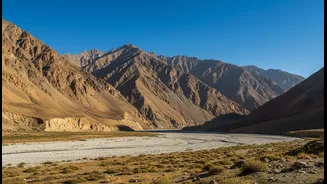
So, if they aren't entirely landslide-free, why the obsession with Spiti and Ladakh? The answer lies in a fascinating geographical phenomenon: the rain shadow effect. The main Himalayan and Pir Panjal ranges are so tall that they act as a colossal barrier, blocking the moisture-laden monsoon clouds from passing further north. While states like Uttarakhand and the lower parts of Himachal get drenched, the regions behind this barrier—namely Ladakh and Spiti—remain overwhelmingly dry and sunny. This is why they are called 'cold deserts'. For a road-tripper, this means that once you are inside these zones, you can expect clear skies and dry conditions, perfect for sightseeing and driving, even as the rest of the country experiences peak monsoon.
The Catch: A Perilous Journey to Paradise
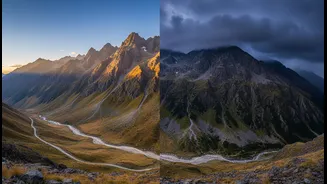
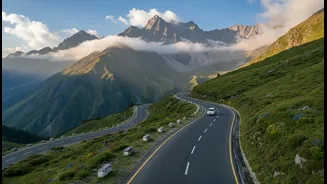
Herein lies the critical nuance that every traveller must understand. The main challenge isn't the destination; it’s the journey to get there. To reach the dry sanctuary of Spiti or Ladakh, one must drive through the very regions that are battered by the monsoon. The highways from Manali or Shimla towards these destinations traverse corridors that are highly susceptible to rain-triggered landslides, flash floods, and slush. The Manali-Leh highway, for example, is famous for its treacherous water crossings and landslide-prone sections before it enters the rain shadow. Similarly, the route to Spiti via Kinnaur is notorious for shooting stones and blockades during heavy rain. Travellers are essentially making a calculated gamble: endure a few days of high-risk, challenging driving through the monsoon-hit access routes to reach a reward of a relatively stable and dry playground for the main part of their holiday.
The Adventurer's Calculation: Risk vs. Reward
This trend isn't born of ignorance about the risks, but rather a specific calculation of them. Unlike a casual tourist looking for a relaxing weekend in Shimla or Mussoorie—a plan easily ruined by continuous rain—the modern Indian road-tripper is often seeking adventure. They are drawn to the rugged, otherworldly landscapes that Spiti and Ladakh offer, from high-altitude lakes to ancient monasteries perched on barren cliffs. These regions offer a sense of remoteness and raw beauty that is unmatched. For these travellers, the perilous journey is part of the appeal, a rite of passage that makes the final destination feel earned. They are choosing a different kind of trip, one where the goal is not to avoid risk entirely, but to manage it in pursuit of an extraordinary experience.
What Does This Mean For You?
If you're contemplating a monsoon road trip to the high Himalayas, it’s crucial to move beyond the myth of completely 'secure' passes. While Spiti and Ladakh offer a significant advantage due to their rain-shadow location, the journey demands respect, preparation, and flexibility. This means building buffer days into your itinerary to account for potential road closures, ensuring your vehicle is in excellent condition (with good ground clearance being a major plus), and staying constantly updated on weather alerts and road conditions from official sources. Driving in these conditions, especially on the approach routes, requires vigilance for falling rocks and sudden water crossings. The choice is not about finding a risk-free path, but about understanding and preparing for the very real challenges that lie on the road to one of India's most spectacular and rewarding adventures.