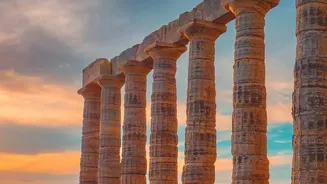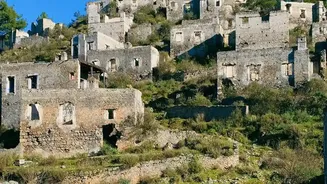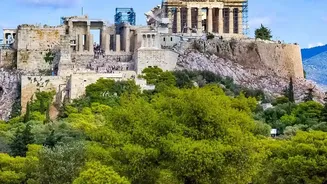




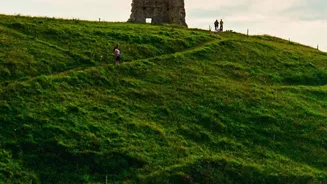

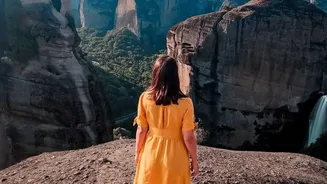
Walking Through Layers of History
Across Greece, a network of ancient, stone-paved paths known as 'kalderimia' crisscrosses the landscape. These are not modern recreational trails but the original highways of the Greek countryside, built for mules and foot traffic long before cars existed.
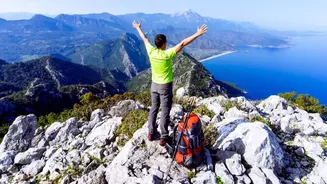
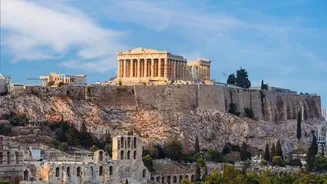
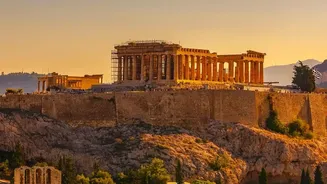
They connected villages to fields, monasteries to remote chapels, and communities to each other. Hiking these routes offers more than just stunning views; it is a direct link to the past, a way to experience the country as it was for centuries. Many trails pass through significant historical areas, from the mythical slopes of Mount Olympus to the gorges of Crete that once sheltered rebels. This blend of nature and heritage is what makes walking in Greece a unique, immersive experience, far from the bustling tourist resorts.
The Modern Challenge of Trail Access
While the romance of these paths is undeniable, their accessibility can be a major hurdle. After falling into disuse for decades, many kalderimia became overgrown, blocked, or even destroyed to make way for modern roads. Today, accessing and navigating them requires awareness. Signage can be inconsistent or absent, and trails may be poorly maintained, with thorny bushes and loose rocks making passage difficult. However, a growing movement is working to change this. Passionate local groups and organizations like 'Paths of Culture' are dedicating themselves to clearing, restoring, and signposting these historic routes. These volunteer-led initiatives are slowly reviving the ancient network, transforming forgotten paths into safe, accessible hiking destinations.
Finding Your Way: From Lost Paths to Certified Trails
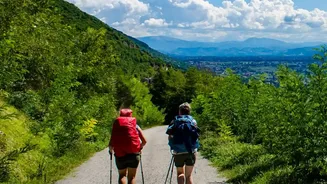
Thanks to restoration efforts, some trails now stand out as models of access and safety. The Menalon Trail in the Peloponnese is the first in Greece to receive 'Leading Quality Trails' certification from the European Ramblers' Association. This means it meets strict criteria for wayfinding, maintenance, and hiker experience. Volunteers have installed clear signage and provide detailed maps, including digital versions for GPS apps, ensuring hikers can navigate with confidence. For other, less-developed trails, proper preparation is essential. Relying solely on old signs is risky; carrying a reliable physical map and a GPS device is highly recommended. Groups like the 'Friends of the Kalderimi of South Pelion' maintain databases of local paths, offering invaluable, up-to-date information on trail conditions.
The Power of the Mediterranean Climate
Weather is the second critical factor for any hiker in Greece. The idyllic image of sunny Mediterranean skies can be dangerously misleading. Summer, particularly July and August, brings extreme heatwaves, with temperatures soaring above 40°C. Hiking on exposed, rocky trails during these times carries a serious risk of heatstroke and dehydration, a danger that even seasoned hikers can underestimate. Conversely, the shoulder seasons and winter can bring their own challenges. Heavy rains can make paths muddy and treacherous, while mountain regions like Mount Olympus and the Pindos range see significant snowfall, rendering high-altitude trails impassable. The best times for hiking are generally spring (April-May) and autumn (September-October), when the weather is milder, the landscapes are vibrant, and the risks are lower.
How to Plan a Safe and Rewarding Hike
To make the most of Greece's ancient trails, thoughtful planning is non-negotiable. First, choose your season wisely to avoid extreme weather. For summer hikes, start at dawn to finish before the midday heat and carry more water than you think you will need. Always check local weather forecasts before you set out. Secondly, research your route. Look for trails that are actively maintained and well-documented, such as the Corfu Trail or Menalon Trail. Pack appropriate gear, including sturdy, broken-in hiking boots for the varied and often rocky terrain, sun protection, and layers of clothing. Finally, always inform someone of your route and estimated return time. By respecting both the trail's condition and the power of the local climate, you can safely connect with the profound history woven into the Greek landscape.