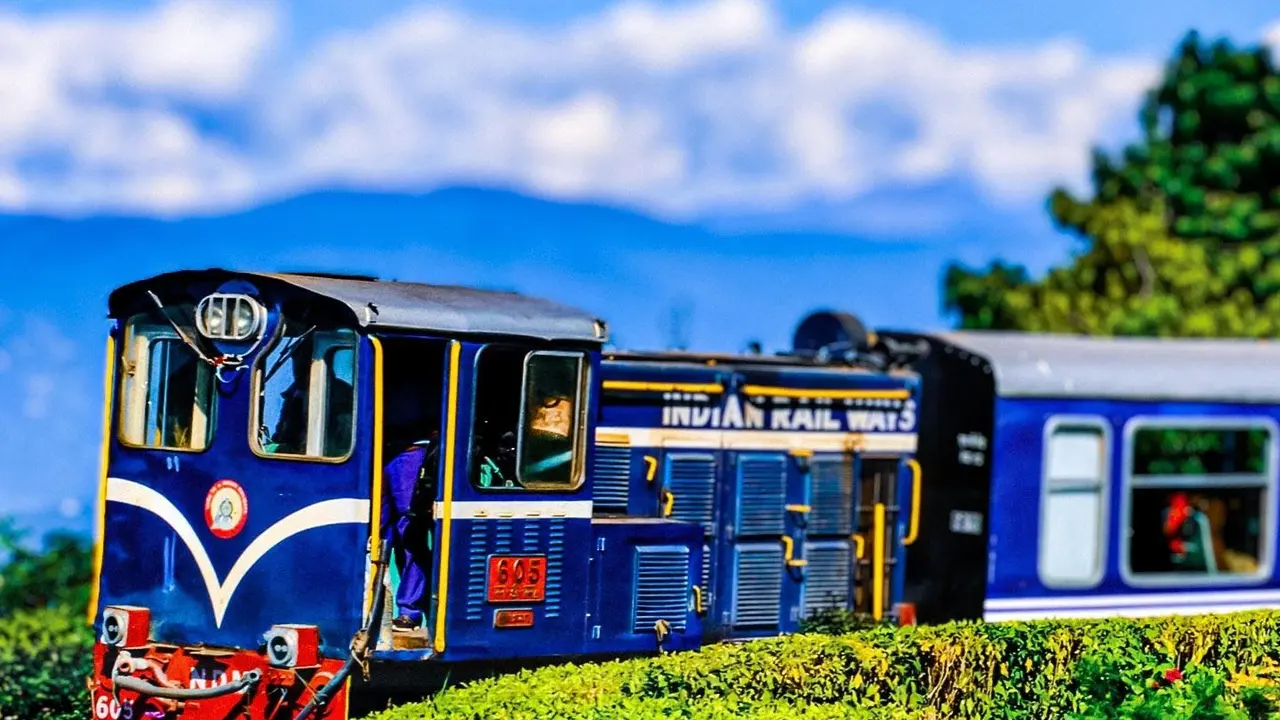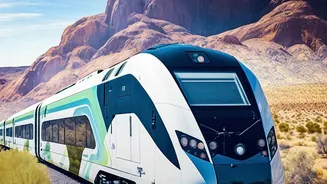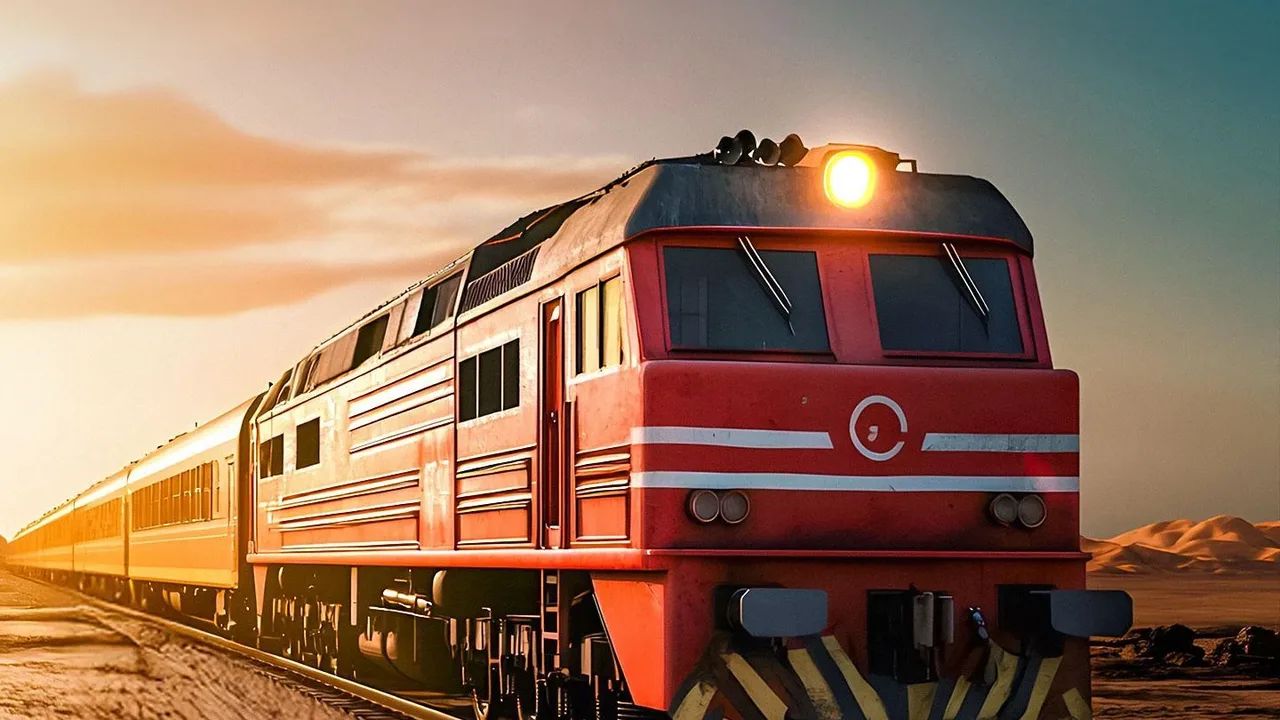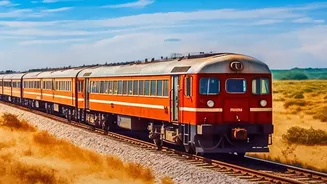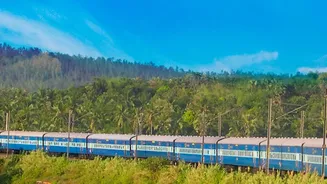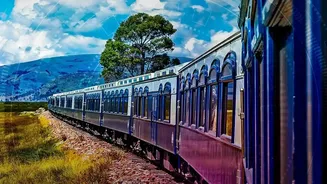


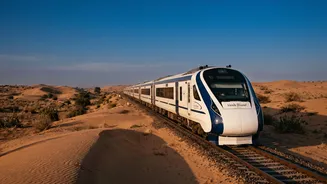
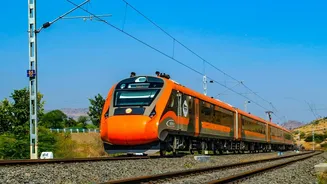
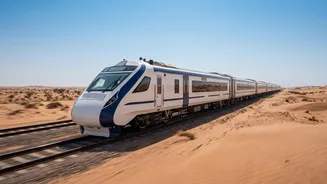
Imagine gliding through the timeless expanse of the Rajasthani desert, not in a rugged jeep, but in the cool, climate-controlled comfort of a modern high-speed train. This is the new reality of desert travel, thanks to the Vande Bharat Express.
A Modern Marvel on an Ancient Path
The Vande
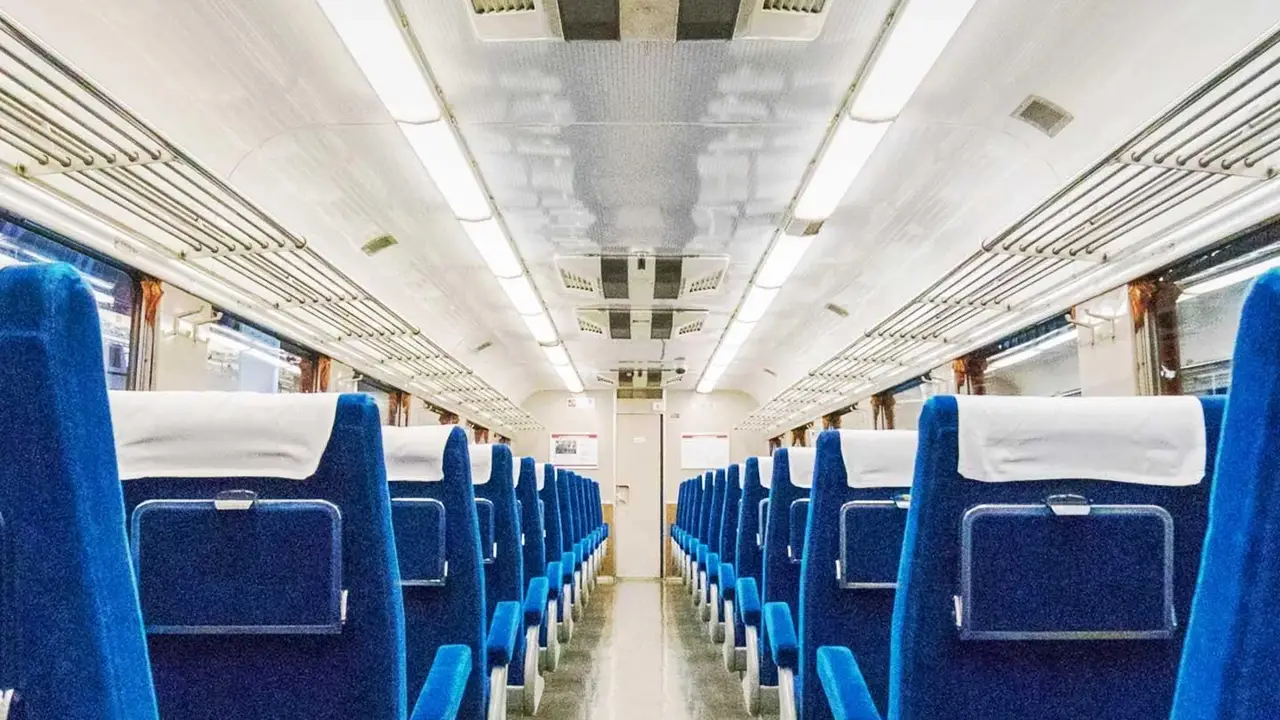
Bharat Express is redefining train travel in India, and its Rajasthan route is a standout experience. This indigenously built, semi-high-speed train brings a level of comfort and efficiency that transforms the journey itself into a destination. With features like large panoramic windows, rotating seats in the executive class, GPS-based information systems, and on-board catering, it offers an airline-style experience on rails. The train is fully air-conditioned, a welcome respite from the desert heat, and its advanced design ensures a smooth, quiet ride. Travelling at a significant speed, it cuts down travel time, allowing for more time to explore.
The Jodhpur to Sabarmati Route
The primary desert route for the Vande Bharat is the journey connecting Jodhpur in Rajasthan to Sabarmati (Ahmedabad) in Gujarat. This six-hour journey covers approximately 450 kilometres, slicing through the heart of the Marwar region and offering a fascinating cross-section of landscapes. The journey begins in the iconic 'Blue City' of Jodhpur and travels south, transitioning from the arid landscapes of the Thar to the plains of Gujarat. The train operates six days a week, typically excluding Tuesdays, making it a convenient option for weekend trips or extended tours.
Key Stops Along the Way
The train makes several strategic stops that serve as gateways to some of Rajasthan’s hidden gems. The main halts between Jodhpur and the Gujarat border are Pali Marwar, Falna, and Abu Road. Pali, known as 'The Industrial City', is steeped in the mercantile history of the Marwar region. Falna is a crucial stop for pilgrims and tourists alike, providing the closest rail access to the magnificent Ranakpur Jain Temples. Abu Road is the final stop in Rajasthan, acting as the foothill station for the state's only hill station, Mount Abu.
Window Views: The Shifting Desert Scenery
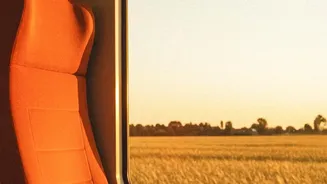
This is where the journey truly becomes magical. As the train leaves Jodhpur, the urban landscape gives way to the stark, captivating beauty of the desert. Through the large windows, you'll witness a panorama of scrubland, dotted with hardy Khejri trees and occasional sand dunes. Keep an eye out for herds of goats or camels being led by colourfully turbaned herders, a quintessential Rajasthani sight. The early morning departure from Jodhpur means you get to see the desert bathed in the soft morning light. As you move further south towards the Aravalli hills near Abu Road, the terrain gradually becomes greener and more undulating before flattening out into the plains of Gujarat.
Beyond the Tracks: Exploring from Key Stations
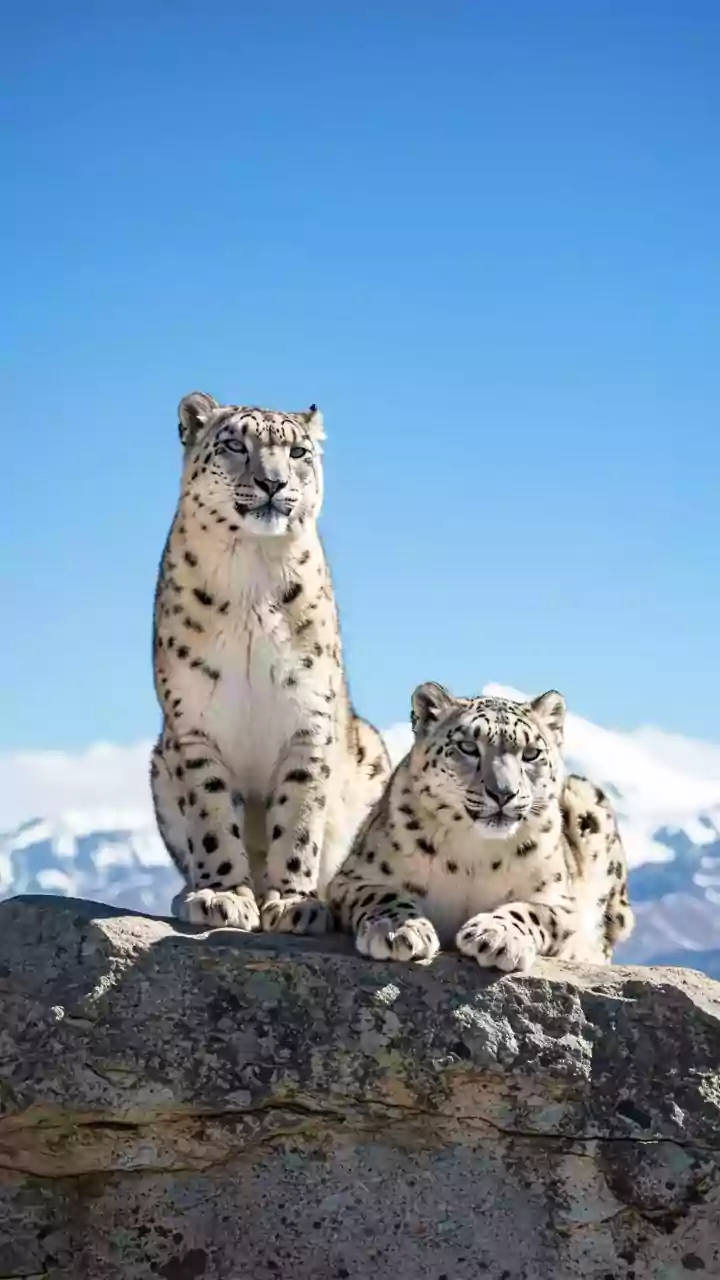
While the train journey is an experience, the stops offer compelling reasons to alight. From Falna, the world-renowned Ranakpur Jain Temple, an architectural marvel of intricately carved marble, is about an hour's drive away. This 15th-century temple complex is a must-visit for its sheer scale and artistry. From Abu Road station, you can take a taxi or bus up to Mount Abu to enjoy its cool climate, serene Nakki Lake, and the stunning Dilwara Jain Temples. The area around Pali offers its own set of attractions, including the Jawai Dam, famous for its leopard sightings.
Tips for the Ultimate Desert Rail Journey
To make the most of your trip, a little planning goes a long way. Book your tickets in advance, especially for executive class, as the route is popular. The train departs Jodhpur early in the morning (around 6 AM) and from Sabarmati in the late afternoon (around 4:45 PM). For the best scenic views of the desert landscape on the Jodhpur to Sabarmati leg, try to get a seat on the left side of the train. The executive class offers rotating seats, which can be turned towards the window for an immersive viewing experience. The best time to take this journey is during the cooler winter months, from October to March, when the desert heat is manageable and the landscape is often surprisingly green after the monsoon.