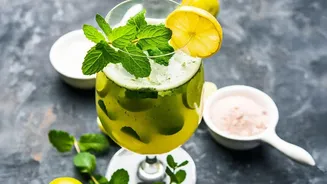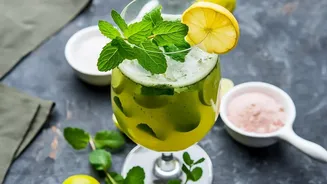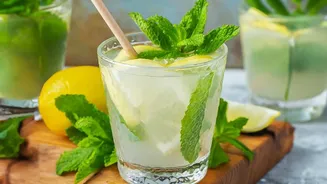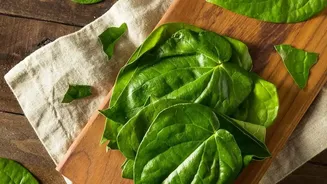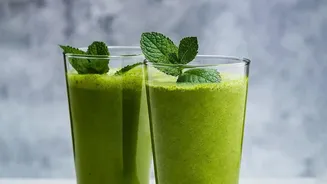

The familiar taste of paan, a staple after Indian meals, is finding a surprising new life. Forget the fold; think the fizz. Creative home cooks are turning betel leaves into refreshing coolers that will change how you see this classic.
From Mouth Freshener to Modern Mocktail
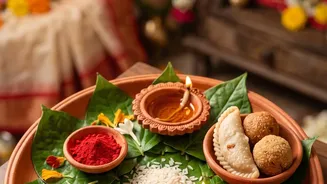
For centuries, paan
has been a symbol of hospitality and a ritualistic end to a meal in India. Traditionally served as a folded betel leaf filled with various ingredients, it’s known for its digestive and breath-freshening properties. But now, this cultural icon is shedding its traditional form and stepping into the spotlight as the star of contemporary beverages. From chic urban cafes to inventive home kitchens, the essence of paan is being liquified into coolers, mocktails, and smoothies. This trend isn't just about novelty; it's a creative reinterpretation that honours a nostalgic flavour while adapting it for a new generation's palate. The result is a drink that is both comfortingly familiar and excitingly new.
The Unique Flavour of Betel Leaf
So, what makes betel leaf so special in a cold drink? The magic lies in its complex flavour profile. Unlike mint, which provides a straightforward cooling sensation, betel leaf offers a more nuanced experience. It has a fresh, peppery bite that is both aromatic and slightly spicy. This distinct taste, when muddled or blended, releases oils that create a refreshing and invigorating sensation without being overpowering. The leaf itself provides a unique herbaceous note that pairs wonderfully with both sweet and tangy ingredients. This complexity is what allows it to be the hero of a drink, providing a depth of flavour that other herbs can't quite replicate. It's this multidimensional taste that has mixologists and home cooks excited.
The Classic Paan Flavour Companions
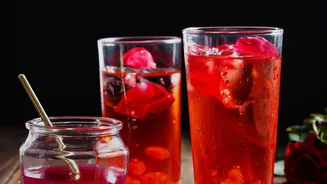
A paan cooler is rarely just about the betel leaf. To achieve that authentic 'meetha paan' taste in a glass, a few key companions are essential. The most important is gulkand, a sweet preserve made from rose petals. Gulkand provides a floral sweetness and a jam-like consistency that forms the soul of the drink. Next are fennel seeds (saunf) and cardamom (elaichi), which add aromatic, slightly sweet, and anise-like notes that are quintessentially paan. Often, a little desiccated coconut is added for texture and a mild, nutty sweetness. Together, these ingredients create a symphony of flavours—sweet, spicy, floral, and fresh—that perfectly encapsulates the traditional paan experience in a liquid form.
Crafting Your Own Paan Cooler at Home
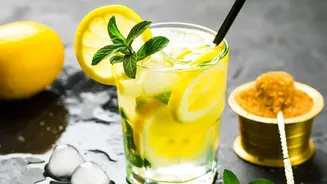
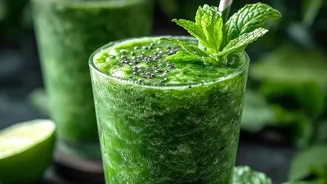
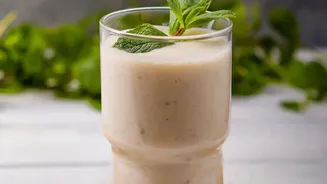
Creating a paan cooler is surprisingly simple. The easiest method is to make a paan concentrate. Start by blending a few fresh betel leaves (stems removed) with gulkand, fennel seeds, and a splash of water until you have a smooth, vibrant green paste. This concentrate can be stored in the fridge and used as a base for various drinks. For a simple cooler, mix a tablespoon or two of the paan concentrate with chilled water or soda and a squeeze of lemon. For a creamier version, blend the concentrate with cold milk or yogurt to create a paan lassi or smoothie. Some recipes even incorporate a scoop of vanilla ice cream for a truly decadent paan milkshake. Feel free to adjust the sweetness and intensity to your liking—the goal is to experiment and find your perfect blend.
A Sip of Nostalgia and Innovation
The rise of the paan cooler is more than just a culinary trend; it's a celebration of cultural heritage. It reflects a broader movement in modern Indian cuisine to revisit traditional ingredients and present them in innovative ways. This drink connects generations—it brings back childhood memories of watching elders enjoy paan after a family meal, while also fitting perfectly into the contemporary café and mocktail culture. By transforming a postndinner digestive into a refreshing allnday beverage, creators are ensuring that the legacy of paan continues to evolve and thrive. It's a delicious tribute to the past, served chilled in a glass for the future.