








The Scale of the Challenge
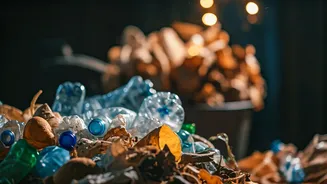
Let’s start with the numbers, but make them simple. India generates a massive amount of municipal solid waste every year—around 62 million tonnes. Of this, a large portion is not properly collected or treated, ending up in landfills or polluting our environment.
The challenge is compounded by rapid urbanization and changing consumption patterns, which mean waste generation is projected to increase significantly by 2030. For years, the approach was linear: collect waste and dump it. But this 'out of sight, out of mind' strategy has led to environmental hazards, health issues, and overburdened city infrastructure. The core problems have been a lack of widespread source segregation, inadequate infrastructure, and low public awareness.
A New Philosophy: From Waste to Wealth
The conversation around waste in India is changing, thanks in part to government initiatives like the Swachh Bharat Mission-Urban 2.0 (SBM-U 2.0). This program aims to create 'Garbage Free Cities' by 2026, not just by cleaning them, but by fundamentally changing how we manage waste. The goal is to move from a linear 'collect-and-dump' model to a circular one. In a circular economy, waste is not the end of the line; it’s the beginning of something new. Organic waste, which makes up a large portion of our bins, can be turned into compost or Bio-CNG. Plastics, metals, and paper can be recycled into new products. This 'waste to wealth' philosophy transforms a problem into a resource, creating economic value while protecting the environment.
The Indore Model: A Blueprint for Success
If you need proof that this shift is possible, look no further than Indore. For several years running, it has been ranked as India's cleanest city. Its success isn't magic; it's the result of a well-executed, comprehensive plan. The city implemented a mandatory six-bin source segregation policy at the household level, ensuring waste is properly sorted from the very beginning. A fleet of GPS-tracked vehicles ensures 100% door-to-door collection. The collected waste is then sent to state-of-the-art processing facilities where over 90% of it is recovered. Organic waste is converted into Bio-CNG that fuels city buses, and compost that is sold to farmers. Indore’s model shows that with strong municipal will, public participation, and robust infrastructure, even the most complex waste challenges can be overcome.
Innovation at the Grassroots
It's not just cities that are leading the change. Across the country, startups and community organizations are tackling specific waste streams with incredible ingenuity. In places like Ambikapur, women from self-help groups are managing the entire waste system, achieving a 'zero-landfill' status through meticulous sorting. Startups are developing technologies to recycle multi-layered plastics, previously considered impossible to process, into building materials or furniture. Others are focused on e-waste, creating formal systems to safely dismantle and recycle our discarded gadgets. In villages, community-led projects are transforming local waste management, proving that positive change doesn't require a massive budget, but rather strong community ownership and awareness.
Your Role in the Circular Economy
While large-scale policies and innovations are crucial, the circular economy starts at home. The single most effective action an individual can take is source segregation—separating wet (organic), dry (recyclable), and domestic hazardous waste. This simple act dramatically increases the rate of recycling and composting, preventing valuable resources from ending up in a landfill. Supporting brands that use recycled materials and reducing consumption of single-use items are other powerful steps. The success of models like Indore and Ambikapur relies heavily on citizen participation. When communities are engaged and see the tangible benefits of proper waste management—cleaner streets, better public health, and new economic opportunities—they become the most powerful drivers of change.