






Choose Your Circuit Wisely
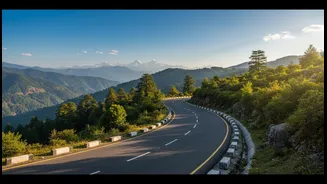
Himachal isn't a single destination but a collection of diverse circuits, each with its own character. For first-timers or families, the classic loop from Chandigarh to Shimla and Manali offers a perfect introduction with well-maintained roads. For those
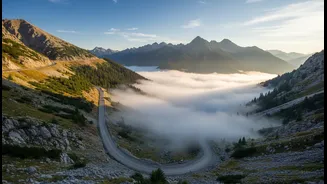
craving dramatic, high-altitude landscapes, the Shimla-Kinnaur-Spiti circuit is a legendary road trip that transitions from green valleys to arid cold desert. Adventure seekers might gravitate towards the thrilling Manali-Leh highway or the rugged paths to Pangi Valley. Meanwhile, circuits like Tirthan Valley, Jibhi, and Shangarh are ideal for travelers seeking quieter, nature-focused stays away from commercial hubs. Don't try to cram too much in; focusing on one region allows for a more immersive experience.
Match the Route to the Calendar
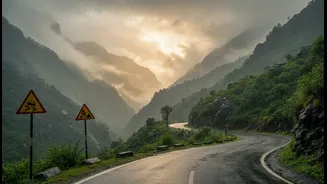
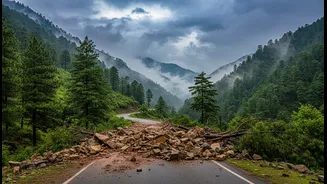
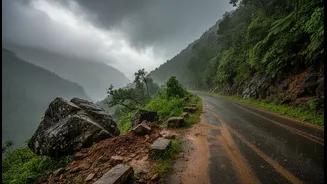
Timing is everything in the Himalayas. The most popular window for travel is the summer season, from May to July, when most passes and routes, including the crucial Manali to Kaza road, are open and the weather is pleasant. The monsoon months of July and August bring lush greenery but also the significant risk of landslides and road closures, particularly on the routes to Manali and Shimla. Autumn (September to October) is considered a fantastic time for photographers, with clear skies and fewer crowds. Winter (November to April) transforms the landscape into a snowy wonderland but comes with extreme cold and widespread road closures, making many areas like the Spiti Valley accessible only via the Shimla side and only for the most prepared adventurers.
The Right Vehicle Makes a Difference
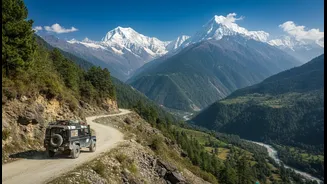
Your choice of vehicle can make or break your trip. For smoother routes like Shimla and Manali, a well-maintained sedan or hatchback is generally sufficient. However, for the challenging terrains of Spiti, Kinnaur, or other high-altitude areas with river crossings and rough patches, a vehicle with high ground clearance like an SUV is strongly recommended. A 4x4 isn't always mandatory but provides a significant advantage on slushy or broken roads. Before starting, always conduct a thorough check of your vehicle’s brakes, tyres (including the spare), and engine condition. If you're not experienced with mountain driving, hiring a local driver is a wise and safe alternative.
Acclimatisation is Non-Negotiable
When you travel to high-altitude regions like Spiti or the upper reaches of Kinnaur and Lahaul, you must respect the risk of Acute Mountain Sickness (AMS). This condition is caused by ascending too quickly to elevations above 2,500-3,000 metres without giving your body time to adjust to the lower oxygen levels. Symptoms can range from headaches and nausea to more severe, life-threatening conditions. The golden rule is to ascend gradually, ideally not increasing your sleeping altitude by more than 300-500 meters per day. The principle of "climb high, sleep low"—hiking to a higher altitude during the day and returning to a lower elevation to sleep—is a proven acclimatisation strategy. Staying well-hydrated by drinking 3-4 litres of water daily and avoiding alcohol is also crucial.
Plan for Permits and Paperwork
While Indian citizens do not need a permit to visit most areas in Himachal, including Spiti Valley, it's essential to carry a valid government-issued photo ID like an Aadhaar card or passport for registration at police checkposts. However, foreign nationals require a Protected Area Permit (PAP), often called an Inner Line Permit (ILP), to travel to areas near the international border, such as parts of Kinnaur and Spiti. These permits can be obtained from government offices in cities like Shimla, Reckong Peo, and Kaza. Additionally, a separate permit is required for all vehicles crossing Rohtang Pass, which can often be applied for online.