


The Protein-Packed Difference
The single biggest reason for Greek yoghurt's rise is its impressive protein content. The magic lies in its preparation: it is strained multiple times to remove most of the liquid whey. This results in a denser product that packs a significant nutritional
punch. A typical 100-gram serving of plain Greek yoghurt can offer 8 to 12 grams of protein, which is roughly two to three times more than the 3 to 4 grams found in the same amount of traditional dahi. For a growing number of Indians focused on fitness, weight management, and overall wellness, this difference is a game-changer. The higher protein makes it a more filling snack that supports muscle repair and keeps hunger pangs at bay for longer.
A Sign of the Wellness Wave
The popularity of Greek yoghurt isn't happening in isolation. It’s part of a larger wellness movement sweeping across urban India. Consumers are becoming more conscious of how food impacts their health, looking for functional foods that offer specific benefits. There's a particular focus on protein, with reports showing a majority of Indian consumers are actively trying to increase their intake. Greek yoghurt fits perfectly into this new health paradigm, offering a convenient, ready-to-eat way to meet daily protein goals without much fuss. Its lower carbohydrate and lactose content also makes it an appealing option for those managing their sugar intake or dealing with mild lactose sensitivity.
Convenience and Culinary Versatility
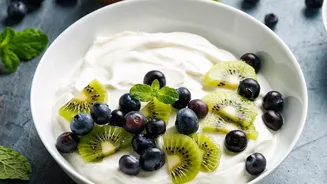
While traditional dahi is a beloved staple, it's often seen as an accompaniment to a meal. Greek yoghurt, however, has been successfully positioned as a versatile, standalone product. Brands have marketed it as an ideal breakfast bowl base, a quick post-workout snack, a guilt-free dessert, or a creamy, healthy substitute for mayonnaise and cream in dips and dressings. This adaptability is enhanced by a wide array of flavours, from classic mango to more innovative combinations, making it an exciting product for the modern palate. Its thick consistency makes it feel more like a substantial snack than a light side dish, which suits the fast-paced lives of urban consumers.
The Market and the Brands
The growth wouldn't be possible without increased availability. What started with brands like Danone and Epigamia has now become a competitive market with major players like Amul, Mother Dairy, and Nestlé entering the fray. This has made Greek yoghurt more accessible beyond just premium stores in major metros. Companies have also localised their offerings with regional flavours and more affordable price points. While still a premium product compared to dahi, the competition has helped make it a justifiable purchase for its target audience: digitally connected, health-aware urban consumers with higher disposable incomes.
A Modern Cousin, Not a Replacement
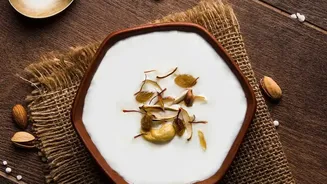
Despite its rising popularity, Greek yoghurt is not replacing the cherished household dahi. Instead, it’s being adopted as a functional alternative for specific needs. Homemade dahi remains unbeatable for its affordability, cultural significance, and the diverse probiotic strains it may contain from natural fermentation. Many households now stock both. They use dahi for traditional meals like raita and curd rice, while Greek yoghurt is reserved for high-protein breakfasts, smoothies, or as a healthy snack. It has carved out a distinct niche for itself, coexisting with, rather than displacing, its traditional counterpart in the Indian kitchen.