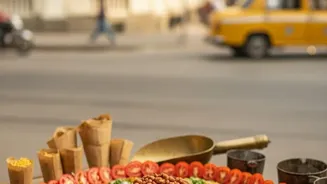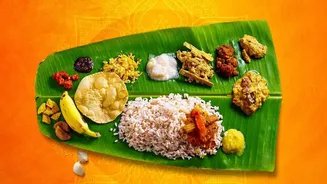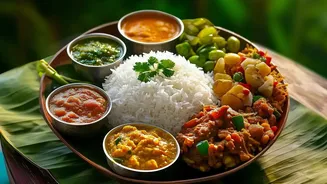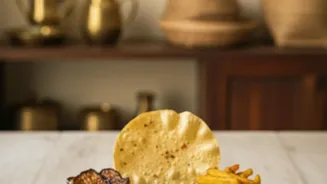







In the bustling food courts of urban India, a quiet but significant shift is underway. The familiar glow of global fast-food chains is facing new competition from the wholesome appeal of heritage cuisine, from regional thalis to forgotten grains.
A Hunger for Authenticity
For years,
Western fast food was positioned as a modern, aspirational choice for young Indians. Today, that narrative is being challenged by a growing desire for authenticity. In a globalised world, many young city dwellers, particularly those who have migrated for work or education, are seeking a connection to their roots. Eating a bowl of Litti Chokha from Bihar or a plate of Bengali Kosha Mangsho is more than just a meal; it's an act of cultural reclamation. These dishes offer a taste of home and a sense of identity that a standardised burger or pizza often cannot match. Restaurants specialising in specific regional cuisines—from Andhra and Goan to Kashmiri and North-Eastern—are finding a fervent audience eager to explore the country's vast culinary map.
The Health-Conscious Palate
The wellness trend is no longer a niche interest; it's a mainstream movement. A significant number of Indian consumers now proactively manage their health through their food choices. Surveys show a growing preference for natural and organic foods, with many consumers citing health benefits as a key reason for switching their preferences. Heritage dishes, often prepared with fresh, local ingredients and traditional cooking methods, are perceived as a healthier alternative to processed fast food, which is often high in saturated fat, sugar, and sodium. This turn towards traditional diets includes a renewed interest in millets, legumes, and seasonal vegetables, which have been staples in Indian homes for generations. This conscious choice reflects a deeper understanding that what's on the plate directly impacts well-being.
Value Beyond the Price Tag
While Western fast-food outlets often compete on price, the definition of 'value' is changing for young consumers. Many are concerned about rising food costs and are looking for meals that offer not just affordability but also substance and satisfaction. A regional thali, for instance, provides a complete, balanced meal with multiple components, often at a price comparable to a fast-food combo. These traditional meals are seen as offering better nutritional value and a more fulfilling experience. The perception is shifting from 'cheap and quick' to 'wholesome and worth it'. This economic calculation, combined with superior taste and portion sizes, makes heritage food a compelling proposition for the budget-conscious but discerning diner.
From Family Kitchens to Viral Feeds
Social media has become a powerful catalyst in this culinary shift. The visual appeal of a vibrant, multi-component Indian meal lends itself perfectly to platforms like Instagram. Food vloggers and influencers are increasingly spotlighting hyper-regional and once-forgotten dishes, turning local gems into national trends. This digital exposure creates curiosity and a desire to experiment. A dish from a small town in Kerala or a special from Nagaland can now find a following in Delhi or Mumbai overnight. This online conversation celebrates the diversity of Indian food, moving beyond the handful of dishes that have long dominated restaurant menus. For Gen Z, if a meal looks good and tells a good story, it's worth trying—and posting.
Comfort in a Bowl
Ultimately, the turn towards heritage food is a search for comfort. For millions of young people living in cities far from their homes, these dishes provide an emotional anchor. The flavours of Dal Baati Churma or a simple home-style Avial can evoke powerful feelings of nostalgia and belonging. This is not to say that Western fast food has lost its appeal for convenience or social gatherings. However, when it comes to satisfying a deeper need for comfort and nourishment, many are finding that the answer lies not in a foreign franchise, but in the familiar, time-tested recipes of their own heritage. This movement is a reminder that food is not just about sustenance, but also about soul.