



Embrace the Water with Swimming
Water-based exercise is often called the ultimate joint-saving workout, and for good reason. The natural buoyancy of water supports your body weight, dramatically reducing the stress and impact on your hips, knees, and ankles. This unique environment
allows for a greater range of motion, helping to improve flexibility and reduce the stiffness associated with conditions like arthritis. Whether you are swimming laps or participating in a water aerobics class, the resistance of the water provides a full-body workout that strengthens muscles and boosts cardiovascular health without the jarring impact of land-based activities. Studies have shown that aquatic exercise can relieve pain more effectively than land-based routines, partly because warm water helps relax muscles and soothe nerve endings.
Find Your Stride with Cycling
Cycling, whether on a stationary bike or outdoors, is an excellent low-impact way to build serious leg strength and cardiovascular endurance. Because the bike saddle supports your body weight, the smooth, circular motion of pedaling places minimal stress on your joints, particularly your knees. This makes it a sustainable alternative to high-impact exercises like running, which can send a force of two to three times your body weight through your joints with every footfall. For those with existing joint sensitivity, a recumbent bike—where you sit in a reclined position—can offer even more support for the back and reduce pressure further.
Build Mindful Strength with Yoga
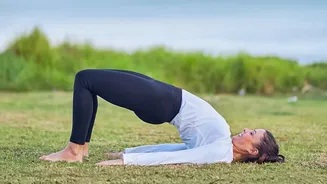
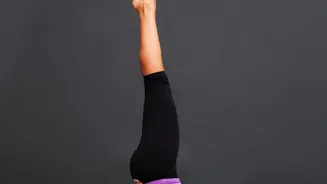
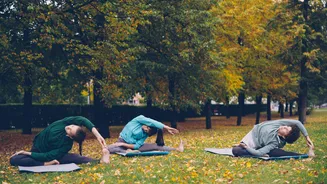
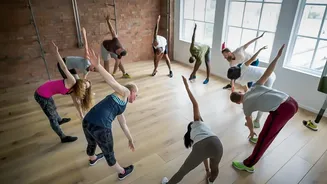
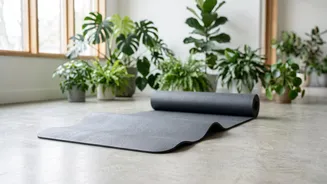
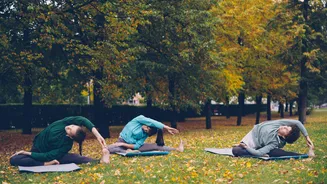
Yoga is a 5,000-year-old practice that enhances physical and mental health by combining poses, breathing techniques, and meditation. It is celebrated for its ability to gently improve joint flexibility, build muscle strength, and enhance balance. For individuals with arthritis, regular practice has been shown to reduce joint pain and stiffness. The focus on controlled movements and body awareness helps protect joints while strengthening the muscles that support them. Poses can be modified with props to make them accessible to everyone, ensuring that the practice meets you where you are without forcing painful positions. Beyond the physical benefits, the stress-reducing aspects of yoga can also help manage the chronic pain patterns that often accompany joint issues.
Incorporate Smart Strength Training
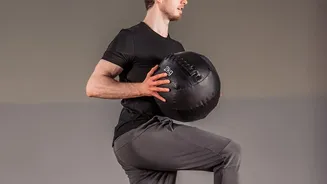
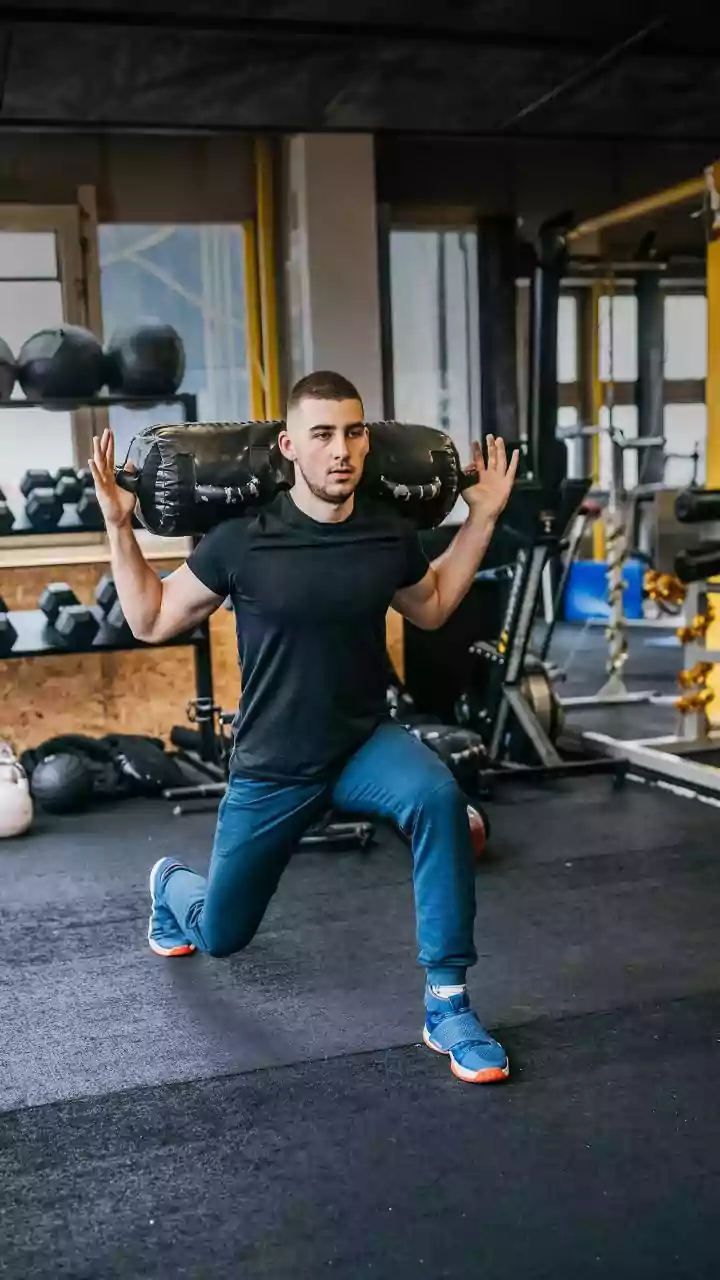
Strengthening the muscles around your joints is one of the most effective ways to protect them. Strong muscles act as shock absorbers, reducing the load and daily stress on your joints. You don't need to lift heavy weights to see benefits. Bodyweight exercises like partial squats, lunges, and glute bridges are highly effective and can be done at home. Resistance bands also offer a versatile, low-impact way to challenge your muscles. The key is to focus on controlled movements and listen to your body, avoiding any motion that causes sharp pain. Over time, this progressive strengthening can significantly improve physical function and reduce discomfort.
Discover the Power of Walking
Never underestimate the effectiveness of a simple walk. As one of the most accessible low-impact exercises, walking improves heart health, strengthens muscles, and can soothe stiff joints without the pounding associated with more intense cardio. You can easily adjust the intensity by walking faster, tackling hills, or using a treadmill with an incline. For many, walking is the most sustainable exercise because it requires no special equipment and can be integrated into your daily routine. Starting with just 10-15 minute walks and gradually increasing the duration is a perfect entry point into a more active, joint-friendly lifestyle.