




Garam Masala: The Quintessential Warming Blend
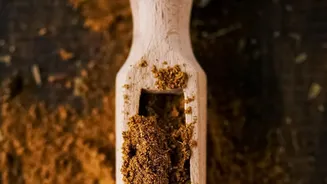
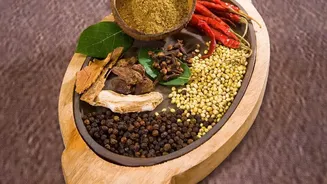
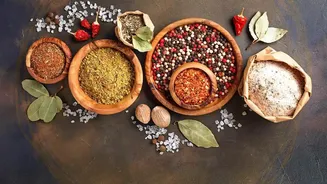
No Indian spice cabinet is complete without Garam Masala. The name translates to 'warm spice mix', and it's the foundation of countless North Indian dishes. While recipes vary from family to family, the core components are designed to warm the body. Key
spices typically include cumin, coriander, black peppercorns, cloves, cinnamon, and both green and black cardamom. Many believe the secret to a superior garam masala lies not just in the ingredients, but in the technique of dry roasting the whole spices before grinding. This process awakens their essential oils, creating a deeper, more complex and aromatic flavour profile that you simply can't get from pre-ground spices. To make a basic version, dry roast whole spices like coriander and cumin seeds, peppercorns, cloves, and cinnamon sticks in a pan over medium heat until fragrant, then cool and grind to a fine powder. Use it to finish curries, season dals, or as a rub for roasted meats.
Cinnamon-Cardamom Mix: The Sweet & Savoury Staple
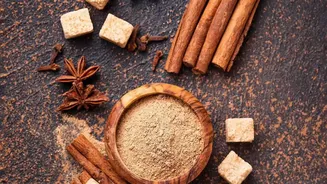
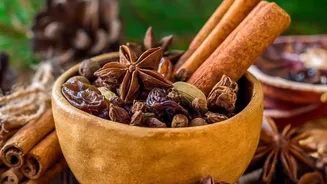
While not a formal 'masala' in the same way as garam masala, the combination of cinnamon and cardamom is a powerhouse pairing in Indian cuisine, fundamental to both sweet and savoury dishes. Cinnamon provides a warm, woody sweetness, while cardamom adds a bright, floral, and slightly citrusy lift. Together, they create a balanced and aromatic profile. This combination is the soul of many chai masala blends. You can create your own simple mix by grinding equal parts cinnamon sticks and green cardamom pods. Add a touch of ground ginger or nutmeg for extra complexity. This blend is perfect for stirring into your morning tea or coffee, sprinkling over oatmeal or yogurt, and adding a warm, fragrant note to desserts like kheer, halwa, or apple-based sweets. It also works beautifully in savoury rice dishes like pulao and biryani, where its subtle sweetness complements the other rich flavours.
Panch Phoron: The Five-Seed Tempering Blend
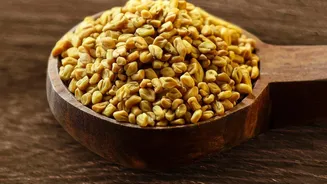
Hailing from Eastern India, particularly Bengal and Bangladesh, Panch Phoron literally means 'five spices' or 'five tempers'. Unlike ground masalas, this is a blend of whole seeds used to flavour hot oil at the beginning of the cooking process, a technique known as 'tadka' or 'tempering'. The five seeds are typically cumin, fennel, mustard, fenugreek, and nigella (kalonji). Usually combined in equal parts, some cooks prefer to use slightly less fenugreek due to its mildly bitter taste. When the seeds are added to hot ghee or oil, they pop and sizzle, releasing their distinct aromas into the fat. This infused oil then becomes the flavour base for lentil dals, vegetable dishes, pickles, and chutneys. The beauty of Panch Phoron is the layered flavour it creates, with the nutty cumin, sweet fennel, pungent mustard, slightly bitter fenugreek, and oniony nigella each contributing to a unique taste experience.
Chaat Masala: The Zesty, Tangy Finishing Spice
If you've ever enjoyed Indian street food, or 'chaat', you've tasted the magic of Chaat Masala. This is a finishing spice, sprinkled over dishes just before serving to add a jolt of tangy, salty, and slightly funky flavour. The signature taste comes from two key ingredients: amchur (dried mango powder) for sourness, and kala namak (black salt) for a distinctive, slightly sulphurous savoury punch. These are supported by a base of roasted and ground spices like cumin, coriander, and black pepper for warmth, and sometimes fennel and ajwain for aroma. To make it at home, you dry roast spices like cumin seeds, cool them, and then grind them with amchur, kala namak, and other powders like dried ginger and chilli. A final sieving ensures a fine, restaurant-style texture. Use it to liven up fruit salads, sprinkle over fried snacks like samosas, or add a tangy kick to yogurt raitas and fresh lemonade.
Sambar Powder: The Soul of South Indian Cuisine
Sambar, the iconic lentil and vegetable stew from South India, owes its unique and comforting flavour to Sambar Powder. This aromatic blend is essential for an authentic taste and is used in households across the region. While recipes vary, they are typically built on a foundation of roasted coriander seeds, red chillies, and a mix of lentils like chana dal (Bengal gram), urad dal, and toor dal (pigeon peas). Other spices like cumin seeds, fenugreek seeds, and sometimes peppercorns and curry leaves are also included. The lentils are roasted along with the spices until golden and aromatic, which gives the final powder a unique, nutty depth. This powder isn't just for sambar; it can be used to flavour a variety of vegetable stir-fries (poriyals), tamarind-based gravies (kuzhambu), and even flavourful rice dishes.