







Embracing Nature’s Rhythm
At its heart, this trend is about living and eating seasonally. It’s an ancient practice, really—the way our grandparents and their grandparents ate by default. The core idea is to consume foods that are naturally harvested at the time of year you’re
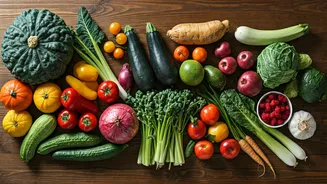
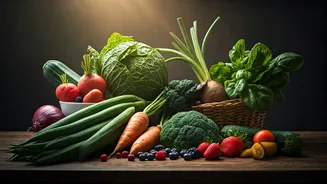
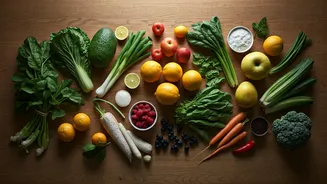
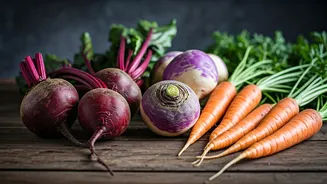
in. This means juicy mangoes and watery cucumbers in the sweltering heat of summer, and hearty root vegetables and leafy greens like spinach and sarson during the cool winter months. Rather than being a restrictive diet, it's an invitation to align your plate with the cycles of nature. It’s less about what you *can’t* have and more about celebrating the delicious abundance of what you *can*.
Why It Tastes So Much Better
The most immediate and rewarding benefit of eating seasonally is the flavour. A strawberry that has ripened on the vine in the sun has a sweetness and aroma that its cold-stored, transported-from-halfway-across-the-world counterpart can never match. The same goes for a winter carrot, which is sweeter and crisper after a touch of frost, or a monsoon-season bhutta roasted over coals. When fruits and vegetables are picked at their peak of ripeness and consumed shortly after, they are at their absolute best. They haven’t spent weeks in transit or in refrigerated warehouses, which dulls their taste and degrades their texture. This simple shift makes cooking and eating a more vibrant and enjoyable experience.
A Boost for Your Body
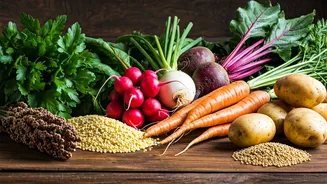
Nature is incredibly intelligent. It tends to provide us with the nutrients our bodies need most during each season. Summer brings us water-rich foods like watermelon and cucumber to help us stay hydrated. The rainy season offers produce rich in Vitamin C, like gourds and leafy greens, to help bolster our immunity when infections are common. Winter provides starchy root vegetables like sweet potatoes and yams that give us the energy to stay warm. Produce that is allowed to ripen naturally also tends to have a more robust nutritional profile. Studies suggest that some crops show higher levels of antioxidants and vitamins when harvested in their proper season compared to those grown out of season in artificial conditions.
Kinder to Your Wallet and the Planet
Following this trend can also be a savvy financial move. When a particular fruit or vegetable is in season, it’s abundant. This simple law of supply and demand means prices drop. That’s why tomatoes are cheaper in winter and mangoes are a steal in May and June. By building your meals around what's plentiful, you can significantly reduce your grocery bills. Furthermore, choosing seasonal, locally grown food is an act of environmental kindness. It reduces ‘food miles’—the distance food travels from farm to plate. This means a smaller carbon footprint, less energy spent on transportation, refrigeration, and artificial ripening, and less reliance on packaging to keep items fresh over long distances.
How to Get Started, Simply
Starting is easier than you think. You don’t need to overhaul your entire diet overnight. Begin with small, simple steps.
1. **Visit Your Local Market:** Your neighbourhood sabzi mandi or a farmers' market is your best resource. The vendors are experts. Ask them what’s fresh, what’s new, and what’s local. They’ll be happy to point you to the best of the season.
2. **Start with One Thing:** Challenge yourself to buy one seasonal vegetable you don't normally cook with each week. Look up a simple recipe and experiment. It’s a low-pressure way to expand your culinary horizons.
3. **Plan Flexibly:** Instead of going to the market with a rigid shopping list, go with an open mind. See what looks freshest and most appealing, then build your meals around that.
4. **Listen to Cravings:** That sudden desire for a hot bowl of gajar ka halwa in December or a slice of watermelon in April isn't random. It’s often your body syncing with the season. Lean into it.