

The Do-Nots of Drying Shoes
The biggest mistake you can make when dealing with soaked footwear is applying direct, high heat. Methods like placing shoes on a radiator, using a hairdryer, or putting them in a tumble dryer or oven can be disastrous. This intense heat can melt the adhesives
that hold your shoes together, cause leather to become brittle and crack, and even shrink or warp the fabric. While it might seem like a quick fix, you risk irreversible damage to the shape and structure of your shoes. Similarly, leaving shoes in direct sunlight for too long can cause colours to fade and materials like leather to become brittle.
Your First Steps with Wet Footwear
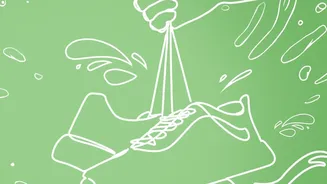
As soon as you get indoors, a little prep work can significantly speed up the drying process. First, if your shoes have removable insoles, take them out. Insoles can trap a lot of moisture, and drying them separately allows for better air circulation inside the shoe. Next, loosen the laces as much as possible to open up the shoe and let it breathe. If your shoes are muddy or dirty, it's best to clean them before drying to prevent stains and odours from setting in.
The Classic Newspaper Method
One of the most effective and time-tested methods for drying shoes is using newspaper. The paper is highly absorbent and works by drawing moisture out from the inside of the shoe, all while helping to maintain its shape. Simply crumple up sheets of newspaper and stuff them loosely but completely into your shoes, reaching all the way to the toe. If the shoes are particularly drenched, you can also wrap the outside with newspaper. Check the paper every few hours; if it feels damp, replace it with fresh, dry sheets until the shoes are no longer wet. This method is gentle and safe for all shoe types, including leather and suede.
Harnessing the Power of Airflow
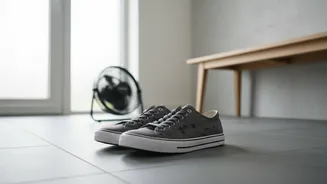
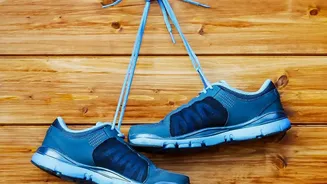
Proper air circulation is your best friend when drying footwear. Placing your shoes in a well-ventilated area is the safest way to let them air dry. To speed things up considerably, use a household fan. Position the shoes in front of a fan, but not so close that they are touching it. Propping them up or hanging them allows cool air to move around and inside the shoes, wicking away moisture much faster than stagnant air. You can even create S-shaped hooks from an old wire hanger to suspend them from the fan's grille. This method ensures they dry evenly without any heat damage.
Special Care for Different Materials
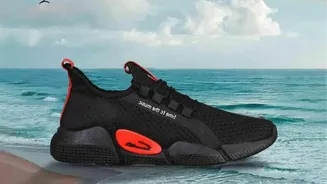
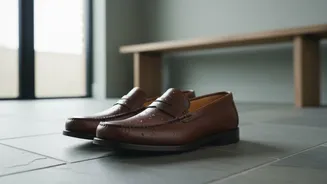
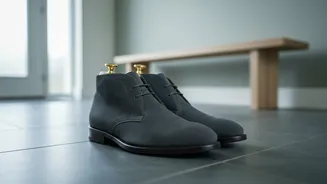
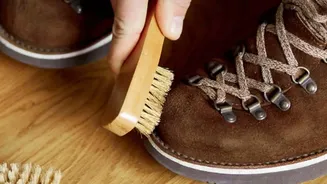
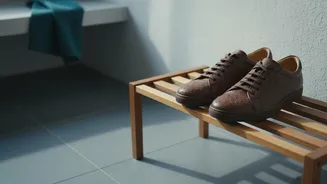
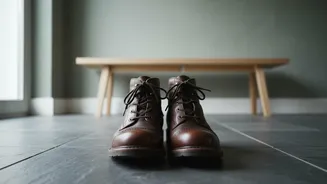
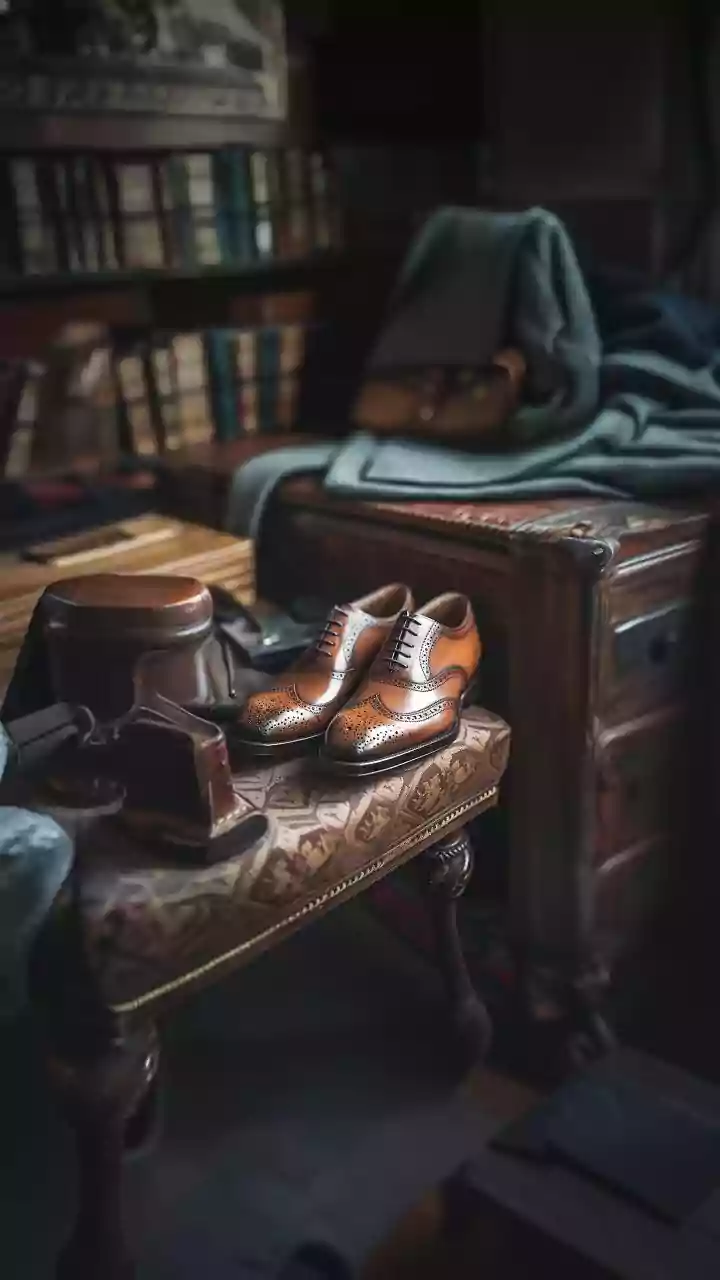
Different shoe materials require slightly different approaches. For leather shoes, it's crucial to avoid heat, as it can cause the material to dry out and crack. Using shoe trees, particularly those made of cedar, is an excellent choice for leather footwear. They help absorb moisture while ensuring the shoe holds its proper shape as it dries. If your shoes are extremely wet, it's a good idea to let them air out for a couple of hours before inserting the shoe trees. For synthetic and canvas shoes, the fan and newspaper methods work exceptionally well. For suede, brush it once dry to restore its natural texture.