






Understanding the Festive Rush
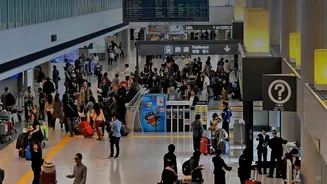
Every year during major festivals like Durga Puja, Diwali, and Chhath Puja, millions of people travel back to their hometowns, creating a massive demand for train tickets. Regular services get booked months in advance, leaving many travellers waitlisted.
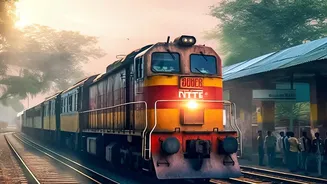
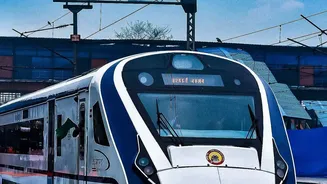
To handle this surge, Indian Railways operates hundreds of 'Festival Special' trains on high-demand routes, such as those connecting major cities like Delhi, Mumbai, and Kolkata to destinations in Uttar Pradesh and Bihar. As of mid-October 2026, over 8,000 special train trips have been announced for the season running from October to November. These trains are announced progressively, so it's essential to know where to look.
Your Primary Tool: The NTES App
The most reliable way to get information on all trains, including specials, is the National Train Enquiry System (NTES). Available as a mobile app for both Android and iOS and as a website, NTES is the official source for all train-related information. You can use it to find 'Trains Between Stations', check live running status, and view schedules. Crucially, the system allows you to specifically look for special trains. When searching on the NTES website, there is often a dedicated section for 'Special Trains' which lists all currently operational services across the country. This is the best place to start your search before heading to the booking portal.
How to Find Special Trains Step-by-Step
Finding these trains requires a bit of vigilance. Most special train numbers begin with a '0' (e.g., 04209). Here’s a simple process: First, check the official social media handles of Zonal Railways (like Northern Railway or Central Railway) and press releases on the Press Information Bureau (PIB) website. These are often the first places new trains are announced. Next, use the NTES app or website to search for trains between your desired stations for a range of dates, as specials may not run daily. They will appear in the search results alongside regular services. Finally, you can also search on the IRCTC booking website or app itself. Once announced, special trains are integrated into the regular search results for your journey.
The Booking Process: Speed is Key
Booking a special train is done through the official IRCTC website (irctc.co.in) or the IRCTC Rail Connect app, just like any other train. However, be aware that the booking window (Advance Reservation Period or ARP) for these trains can be shorter than the usual 60 days. Tickets are often made available as soon as the train is announced, and they sell out extremely fast on popular routes. To improve your chances, make sure you have an IRCTC account ready, with passenger details pre-saved in the 'Master List'. This allows you to fill in traveller information with a single click, saving precious seconds during the booking process. Have your payment details handy, whether it's via UPI, net banking, or a digital wallet.
Pro-Tips for a Confirmed Ticket
If your preferred train is fully booked, don't lose hope. First, be flexible with your dates; travelling a day or two before or after the peak date can sometimes yield a confirmed seat. Also, check for availability from or to nearby stations, not just the major city terminals. Sometimes smaller, less popular stations have a better chance. Keep checking the IRCTC portal, as railways may add more coaches or even announce new trains closer to the travel date based on demand. If you end up with a waitlisted ticket, keep tracking your PNR status. A low waitlist number has a decent chance of confirmation, especially as additional berths are released when the final chart is prepared a few hours before departure.