






The Hidden Cost of the Bin
We’ve all been there. You reach into the refrigerator for the vegetables you bought a few days ago, only to find them limp, spotted, or worse. That forgotten bag of spinach or half-used bundle of coriander ends up in the bin, along with the money you spent
on it. This isn't just a minor annoyance; it's a significant financial drain. In India, household food waste is a massive issue, with studies suggesting an average urban household throws away around 50 kilograms of food per person annually. While we are laser-focused on the price per kilogram at the grocery store, we often ignore the cost of food that is purchased but never consumed. This is the 'true cost' of our groceries, a figure that goes far beyond the initial bill. When we throw away food, we're also throwing away the water, energy, and labour used to produce it, making the loss much greater than just a few rupees.
Redefining 'Value' Beyond the Price Tag
Traditionally, food value is measured in simple terms: price per 100 grams or price per calorie. This metric is useful, but it’s incomplete. It tells you the cost to acquire the food, not the cost to actually consume it. The argument here is simple: true value must include usability. If you buy two kilograms of tomatoes on sale but half of them spoil, you effectively paid double the price for the ones you ate. Conversely, a slightly more expensive item that lasts longer and gets fully used offers far better value. A recent study highlighted that a significant number of consumers would switch brands for one with a better shelf life, primarily to reduce waste and save money. This shows a growing awareness that longevity is a key component of value. We need to shift our mindset from 'how much can I get for this price?' to 'how much of this will I actually eat?'.
The Long-Life Heroes of the Pantry
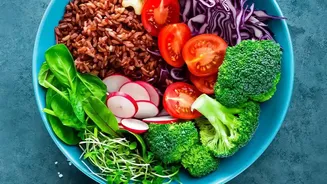
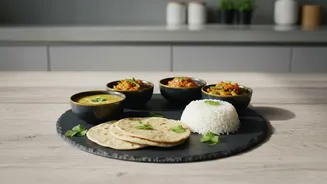
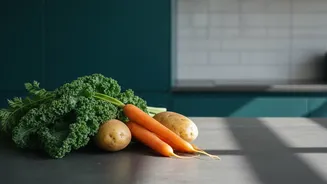
Incorporating storage life into your value calculation means favouring foods that last. Think of pantry staples like lentils, chickpeas, and dried beans. They are nutritional powerhouses that can be stored for months, offering incredible value over time. The same goes for whole grains like rice and millets. In the produce section, root vegetables like potatoes, onions, carrots, and sweet potatoes are champions of longevity when stored correctly in a cool, dark place. Frozen foods are another underrated hero. Freezing acts like a pause button, locking in nutrients and extending the life of everything from green peas to chicken, allowing you to use exactly what you need without the pressure of imminent spoilage. By prioritising these items, you build a resilient kitchen where your food budget is spent on meals, not waste.
From Fresh to Forgotten: The Perishables Trap
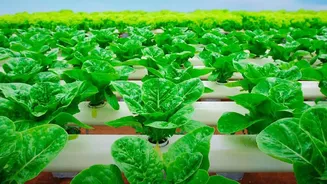
On the other end of the spectrum are highly perishable items. Delicate leafy greens, berries, mushrooms, and fresh herbs have a notoriously short lifespan. While nutritionally valuable, their cost-per-use can skyrocket if they aren't consumed within a day or two. This doesn't mean you should avoid them, but it does mean you should buy them with a clear and immediate plan. A bulk discount on fresh palak (spinach) is only a good deal if you have a plan to cook it all promptly. Otherwise, a smaller, more frequent purchase is the smarter financial move. The same logic applies to dairy and fresh meats. Understanding that these items are on a ticking clock helps you make more conscious purchasing decisions, avoiding the all-too-common trap of overbuying fresh produce that ends up feeding your dustbin.
Smart Shopping, Smarter Storage
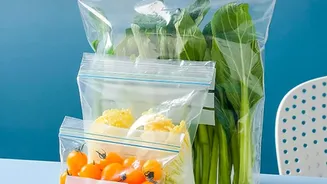
Adopting a 'storage-first' mindset is a two-step process. First, shop smarter. Plan your meals for the week before you go to the store. Buy perishables in smaller quantities more frequently and stock up on long-lasting staples. Second, practice smart storage. Keep your refrigerator temperature at or below 4°C. Store fruits that release ethylene gas (like apples and bananas) separately from vegetables to prevent premature ripening and spoilage. Don't wash berries until you're ready to eat them to prevent mould. Simple techniques, like reviving wilted greens in a bowl of ice water or freezing leftovers in labelled containers, can dramatically extend the life of your food and stretch your budget further.