


Monitor the Monsoon’s Retreat
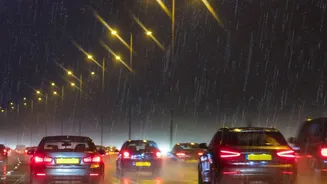
September is a transitional weather month across India, and conditions can be unpredictable. While the heavy downpours of July and August typically subside, some regions still experience significant rainfall. Northern areas like Rajasthan and the Golden
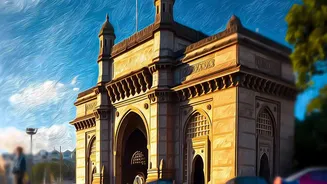
Triangle (Delhi, Agra, Jaipur) tend to become drier and more pleasant, making it a great time for sightseeing. However, places like Kerala, Goa, and Mumbai may still be quite wet at the beginning of the month. Before booking, check the specific regional forecast for your destination. This will help you pack appropriately and plan activities that aren't likely to be washed out. Remember that even in drier areas, a sudden shower is possible, so having a backup plan is always wise.
Prioritise Post-Monsoon Health
The post-monsoon season, while beautiful, is also a peak time for water-borne and mosquito-borne diseases like dengue, malaria, and chikungunya. Stagnant water left behind by the rains creates breeding grounds for mosquitoes. When travelling, it is crucial to take precautions. Pack a reliable insect repellent and consider wearing long-sleeved clothing, especially during dawn and dusk when mosquitoes are most active. Be mindful of what you eat and drink; stick to bottled water and avoid street food that may have been exposed to unsanitary conditions. Carrying a basic medical kit with essentials like pain relievers, bandages, antiseptic, and any personal medications is also a good practice.
Scout for Shoulder Season Deals
September is considered a “shoulder season” for travel in many parts of India. It sits between the low-demand monsoon period and the busy peak season that starts in October. This can be a huge advantage for savvy travellers. You’ll often find fewer crowds at popular attractions like the Taj Mahal or the palaces of Rajasthan. This also means you can often find better deals on flights, hotels, and tour packages. Airlines and hotels are keen to fill rooms before the winter rush, so keep an eye out for discounts. Booking in advance is still recommended, but you may have more flexibility and better pricing than you would from October to March.
Check the Holiday Calendar
September 2026 has a few holidays that could either extend your vacation or affect your travel plans. Janmashtami falls on Friday, September 4th, creating a long weekend for many. Ganesh Chaturthi is on Monday, September 14th, which is another opportunity for a short trip. While these long weekends are perfect for a quick getaway, they also mean that popular destinations can get crowded and more expensive. If you plan to travel during these periods, book your transport and accommodation well in advance. If you prefer to avoid the crowds, plan your travel for the intervening weeks.
Assess Road Conditions Carefully
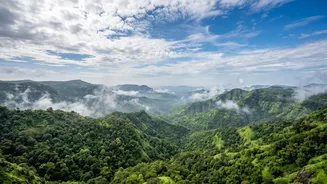
While the scenery is incredibly green, post-monsoon road trips require caution. Heavy rains can cause significant damage to roads, leading to potholes, landslides, and unexpected closures, especially in hilly regions like Himachal Pradesh, Uttarakhand, and the Western Ghats. Even major highways can be affected by waterlogging and damage. Before setting out on a road trip, check with local authorities or online travel forums for the latest updates on road conditions. If you are driving your own vehicle, ensure it is serviced, paying special attention to tyres, brakes, and wipers. It’s often safer to stick to major national highways and avoid remote or unpaved roads during this period.
Pack for Every Possibility
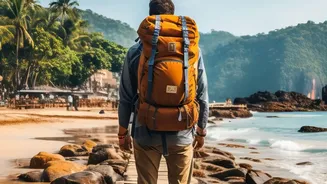
Packing for September travel can be tricky due to the mixed weather. The key is to think in layers. Lightweight, quick-drying synthetic clothes are ideal, as they are comfortable in humid conditions and dry fast if you get caught in the rain. Avoid heavy fabrics like denim. Always carry a waterproof jacket or a sturdy umbrella. For footwear, opt for waterproof sandals or floaters rather than shoes that will get soggy and take ages to dry. Don’t forget to pack sun protection, as the sun can be quite strong between showers. Also, a waterproof bag or a rain cover for your backpack is essential to protect your electronics and other belongings.
Confirm Destination and Activity Access
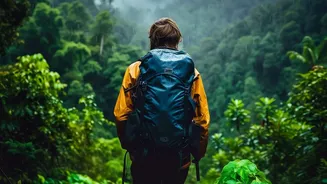
Many national parks, wildlife sanctuaries, and trekking routes close during the monsoon season for safety reasons and to allow nature to regenerate. While some may start reopening in September, others might remain closed until October. If your itinerary includes activities like a wildlife safari in Central India or a high-altitude trek in the Himalayas, it is essential to verify their operational status. Check the official websites or contact the park authorities directly. Similarly, some beaches may have restrictions on swimming due to strong currents that persist after the monsoon. Always heed local warnings and prioritise safety over adventure.