




A Top Source of Vitamin E
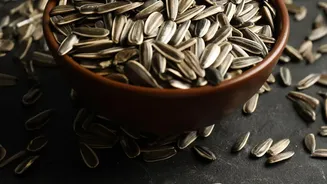
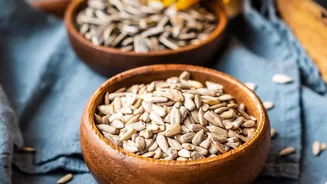
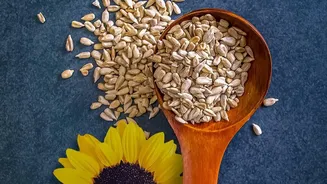
Sunflower seeds are one of the best whole-food sources of Vitamin E. Just a single ounce (about 28 grams or a small handful) can provide a significant portion of your recommended daily intake. Vitamin E is a fat-soluble nutrient that acts as a powerful
antioxidant in the body. Its main role is to protect cells from damage caused by free radicals, which are unstable molecules that can contribute to chronic diseases and aging. By helping to neutralize these harmful molecules, the vitamin e from sunflower seeds supports overall cellular health and may reduce inflammation in the body.
The Truth About the Fats
The word 'fat' can sometimes be misleading, but the fats found in sunflower seeds are the kind your body needs. They are rich in both polyunsaturated and monounsaturated fats, which are considered 'healthy' fats. These unsaturated fats play a crucial role in heart health. Studies suggest that substituting saturated fats with these healthier types can help lower bad cholesterol levels (LDL) and triglycerides in the blood, which are risk factors for heart disease. The primary polyunsaturated fat in sunflower seeds is linoleic acid, an omega-6 fatty acid that your body uses to create compounds that help relax blood vessels, potentially aiding in lower blood pressure.
More Than Just Vitamin E and Fats
While the vitamin E and healthy fats are standout nutrients, sunflower seeds offer a much broader nutritional profile. They are a good source of plant-based protein, providing about 6 grams per ounce, and dietary fibre, which aids in digestion and helps you feel full longer. These tiny kernels are also packed with essential minerals. They are an excellent source of selenium, which works alongside vitamin E as an antioxidant, and are rich in magnesium, copper, zinc, and certain B vitamins. This combination of nutrients helps support everything from your immune system and energy levels to bone health.
Choosing and Using Your Seeds
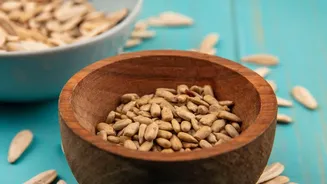
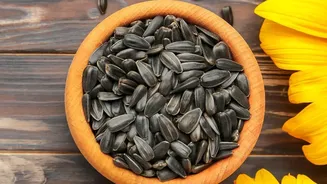
When adding sunflower seeds to your diet, the type you choose matters. Raw sunflower seeds retain all their nutrients, though some find them milder in flavour. Roasting enhances their nutty taste, and studies show it doesn't significantly impact their nutritional value. The main thing to watch for is added salt and oils. Many commercially roasted seeds are high in sodium, so it's best to opt for unsalted or lightly salted versions to get the full health benefits. A recommended daily serving is generally around one ounce or a quarter cup. This portion allows you to reap the benefits without consuming excessive calories.
Easy Breakfast Ideas
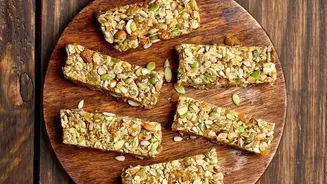
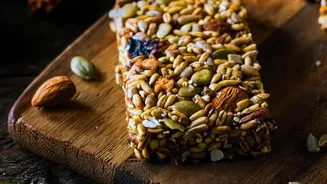
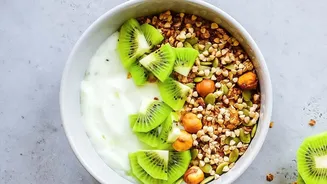
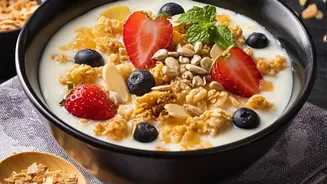
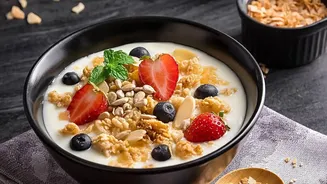
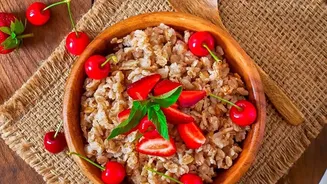
Incorporating sunflower seeds into your breakfast is simple and delicious. Their mild, nutty flavour complements many morning meals. You can sprinkle them over a bowl of oatmeal, dahi, or breakfast cereal for a satisfying crunch. Blending them into a smoothie is another great option; they add a creamy texture and a boost of protein and healthy fats. For those who enjoy a savoury start to the day, try adding toasted sunflower seeds to scrambled eggs or upma. You can also stir them into homemade granola or simply mix them with other nuts and dried fruits for a quick trail mix.