





Ghewar: The Honeycomb Delight
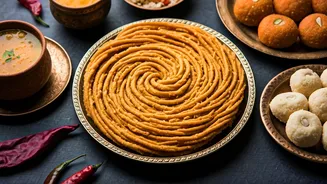
No dessert screams monsoon quite like Ghewar. This disc-shaped, honeycomb-like sweet is a Rajasthani specialty that makes its grand appearance with the first rains. [2, 11] Its preparation is a fascinating science; the unique lacy texture is best achieved
in the high humidity that the monsoon provides. [2, 13] Traditionally associated with the festivals of Teej and Raksha Bandhan, which fall during this season, Ghewar is more than just a dessert—it's a celebration. [5, 2] Made by deep-frying a flour batter in pure ghee and then soaking it in sugar syrup, it’s often topped with rabri (thickened sweet milk), saffron, and nuts. [11, 14] The combination of its crispy, porous structure and sweet, creamy topping is an experience to be savoured while watching the downpour outside.
Moong Dal Halwa: A Warm Embrace
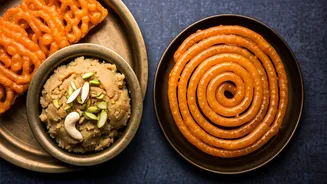
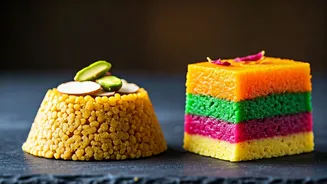
When the temperature drops and the weather turns cool, a bowl of warm Moong Dal Halwa is like a comforting hug. This rich, decadent dessert is a labour of love, involving slowly roasting ground moong dal (split mung beans) in a generous amount of ghee until it turns golden and aromatic. [19, 20] The process is lengthy, but the result is a melt-in-your-mouth texture and a deep, nutty flavour that is unparalleled. [15, 22] While popular in North India, especially during winters, its warmth and richness make it a perfect indulgence for a chilly, rainy day. [19] Garnished with almonds and pistachios, this halwa is the ultimate comfort food to combat the monsoon gloom.
Malpua: The Sweet Indian Pancake
Often called India's version of the pancake, Malpua is a classic sweet that finds a special place during the rainy season. [8, 7] These small, fluffy pancakes are made from a batter of flour, semolina, and sometimes milk or yogurt, then deep-fried until their edges are crisp and the center remains soft. [9] They are then soaked in a fragrant sugar syrup flavoured with cardamom or saffron. [21] Across different regions, they are enjoyed in various ways; some prefer them plain and syrupy, while others pair them with a dollop of cold rabri, creating a delightful contrast of warm and cool, soft and creamy. [3, 9] The simple joy of eating a hot, freshly made Malpua on a rainy evening is a cherished monsoon ritual in many households.
Patoleo: A Fragrant Coastal Speciality
Along the Konkan coast, from Maharashtra to Goa, the monsoon brings with it the fragrant aroma of Patoleo (or Patoli). [16, 24] This unique dessert is a testament to seasonal eating, as it is prepared using fresh turmeric leaves that are abundant during the rains. [16, 17, 24] A paste of rice flour is smeared onto the leaves, which are then filled with a sweet mixture of freshly grated coconut and jaggery. [25] The leaves are folded and steamed, infusing the sweet parcel with their distinct, earthy aroma. [24] Associated with various monsoon festivals like Nag Panchami and the Feast of the Assumption, Patoleo is a healthy, steamed delicacy that beautifully captures the essence of the season. [17, 26]
Mawa Jalebi: A Richer Spiral
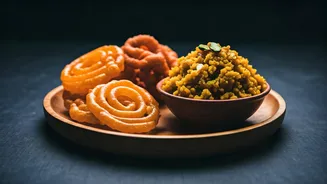
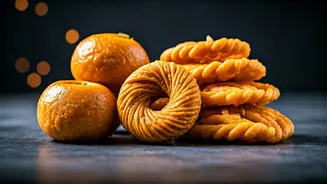
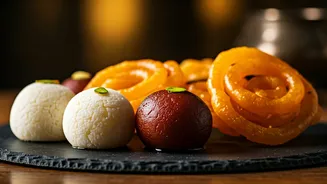
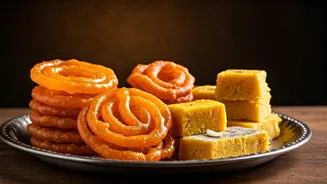
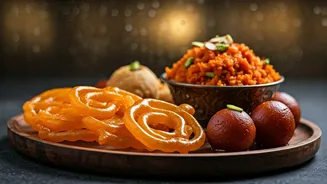
While the classic jalebi is a year-round favourite, its richer cousin, the Mawa Jalebi, becomes particularly popular during the monsoon. [4] Hailing from Rajasthan and parts of Madhya Pradesh, these are made from a batter enriched with khoya (mawa), or milk solids. This gives them a darker, almost brownish hue and a softer, more cake-like texture compared to their crispier counterpart. After being fried into beautiful spirals, they are soaked in sugar syrup. The experience of biting into a warm, juicy Mawa Jalebi while it's drizzling outside is pure bliss. They are often enjoyed during monsoon festivals like Teej, making them a festive treat as well. [4]
Kheer/Payasam: The Timeless Pudding
Kheer, or Payasam as it's known in the South, is India's quintessential rice pudding, and its warm, creamy consistency makes it a beloved monsoon dessert. [8, 6] Made by slow-cooking rice, broken wheat, or vermicelli with milk and sugar, it’s a dish that can be adapted in countless ways. [6] During the monsoon, warm versions like Ada Pradhaman from Kerala, made with jaggery and coconut milk, or a simple Bengali Payesh, sweetened with date palm jaggery, offer deep, earthy flavours that are incredibly comforting on a cool day. [4, 6] Flavoured with cardamom, saffron, and topped with nuts, a bowl of kheer is a timeless dessert that concludes a hearty monsoon meal perfectly. [8]