



The Monsoon Factor: A Double-Edged Sword
July in Northeast India is peak monsoon. This transforms the region into a lush, green paradise, with waterfalls like Nohkalikai and Seven Sisters in Meghalaya at their most spectacular. However, this beauty comes with significant challenges. Relentless
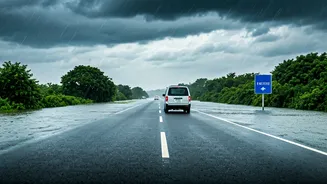
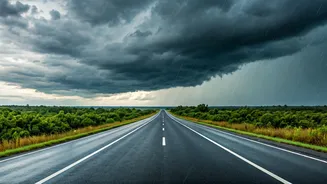
rain saturates the soil, swells rivers, and makes travel unpredictable. Recent reports from late June and early July 2026 highlight widespread flooding and landslides across Assam and Arunachal Pradesh, affecting tens of thousands of people and damaging critical infrastructure. The Brahmaputra River and its tributaries are flowing at dangerously high levels, inundating villages and croplands. This isn't a reason to cancel your trip, but it is a compelling reason to plan with diligence and an entirely different mindset.
Navigating the Roads: Landslides and Closures
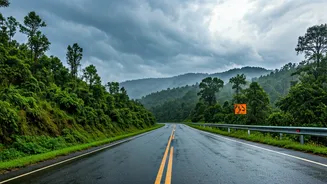
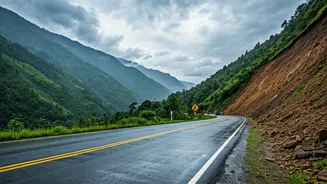
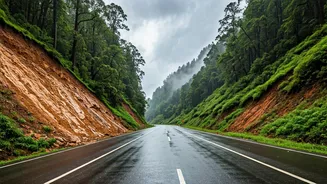
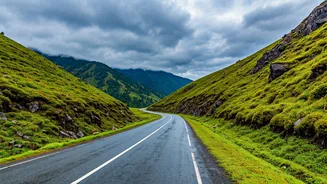
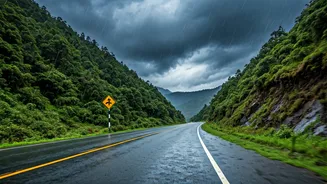
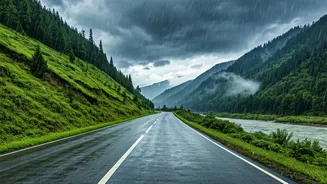
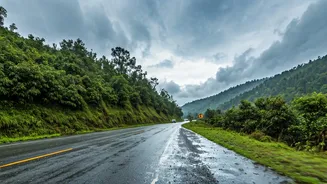
The mountainous terrain of states like Arunachal Pradesh, Sikkim, and Meghalaya is highly susceptible to landslides during the monsoon. In late June 2026, heavy rains triggered multiple landslides, severing road connectivity and even causing a valley-blocking event in Arunachal Pradesh's Lower Siang district. A bridge collapse was also reported in Sikkim. Before setting out, and each morning of your trip, checking road status is non-negotiable. Major routes like NH 10, the lifeline to Gangtok, can be affected. Local authorities and disaster management websites are your best source of information. Many state police departments and the Roads & Bridges Departments now provide updates online. Always build buffer days into your itinerary; a journey that takes a few hours in the dry season could take a full day or be impassable during heavy rains. Hiring a local driver with experience in these conditions is not just a convenience, it’s a crucial safety measure.
Respecting the Rivers: Floods and Ferry Crossings
The rivers of the Northeast, especially the mighty Brahmaputra in Assam, are both a lifeline and a potential hazard during the monsoon. As of early July 2026, the flood situation in Assam is grim, with the Brahmaputra flowing above the danger mark in several locations. This has led to widespread inundation and has affected over 46,000 people across six districts. For travellers, this means that river cruises are largely suspended and ferry services, a common mode of transport, can be unreliable or cancelled altogether. Flash floods are a constant risk, not just in Assam but also in the hilly states where a sudden downpour upstream can send a torrent of water down with little warning. Always heed local advice about river crossings and avoid venturing near swollen rivers for any reason.
Mastering the Forecast: Beyond Your Phone App
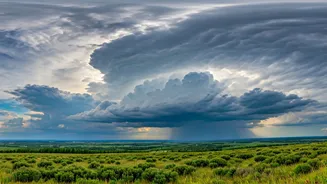
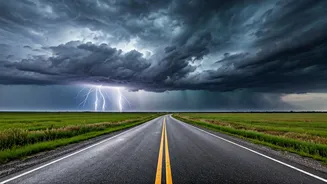
Weather in the Northeast is notoriously localised. The forecast for a major city may be completely different from the conditions in a mountain valley just 50 kilometres away. While your standard weather app is a starting point, it’s not enough. The India Meteorological Department (IMD) provides detailed forecasts and warnings, including specific alerts for heavy rainfall, thunderstorms, and landslides. For July 2026, the IMD has forecast normal to above-normal rainfall for parts of the Northeast, even while other parts of India may see a deficit. Pay close attention to these regional bulletins. When travelling, speak with locals—guesthouse owners, drivers, and guides—about the expected weather for the day. Their on-the-ground knowledge is invaluable and can help you make safer, more informed decisions.
Your Pre-Trip Checklist
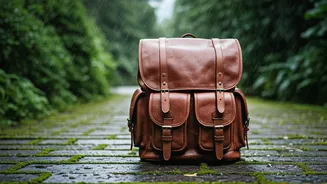
A safe and successful monsoon trip hinges on preparation. First, pack appropriately: waterproof everything—your luggage, electronics, and yourself. Quick-dry clothing, sturdy waterproof footwear with good grip, and a reliable rain jacket are essential. Second, build flexibility into your plan. Book accommodations and transport that allow for last-minute changes. Roadblocks and delays are not a possibility, but a probability. Third, stay connected. Inform your family or a friend of your daily itinerary and save emergency contact numbers for local authorities. Finally, carry a basic medical kit with insect repellent and any personal medications. A little preparedness goes a long way in ensuring your focus remains on the breathtaking landscapes, not on avoidable mishaps.