





The Monsoon Watering Paradox
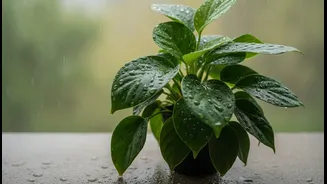
After a long, hot summer, the arrival of monsoon rains feels like a blessing for our gardens. The instinct is to assume that more water is always better, but the rainy season completely changes the rules of plant care. High humidity, sometimes reaching
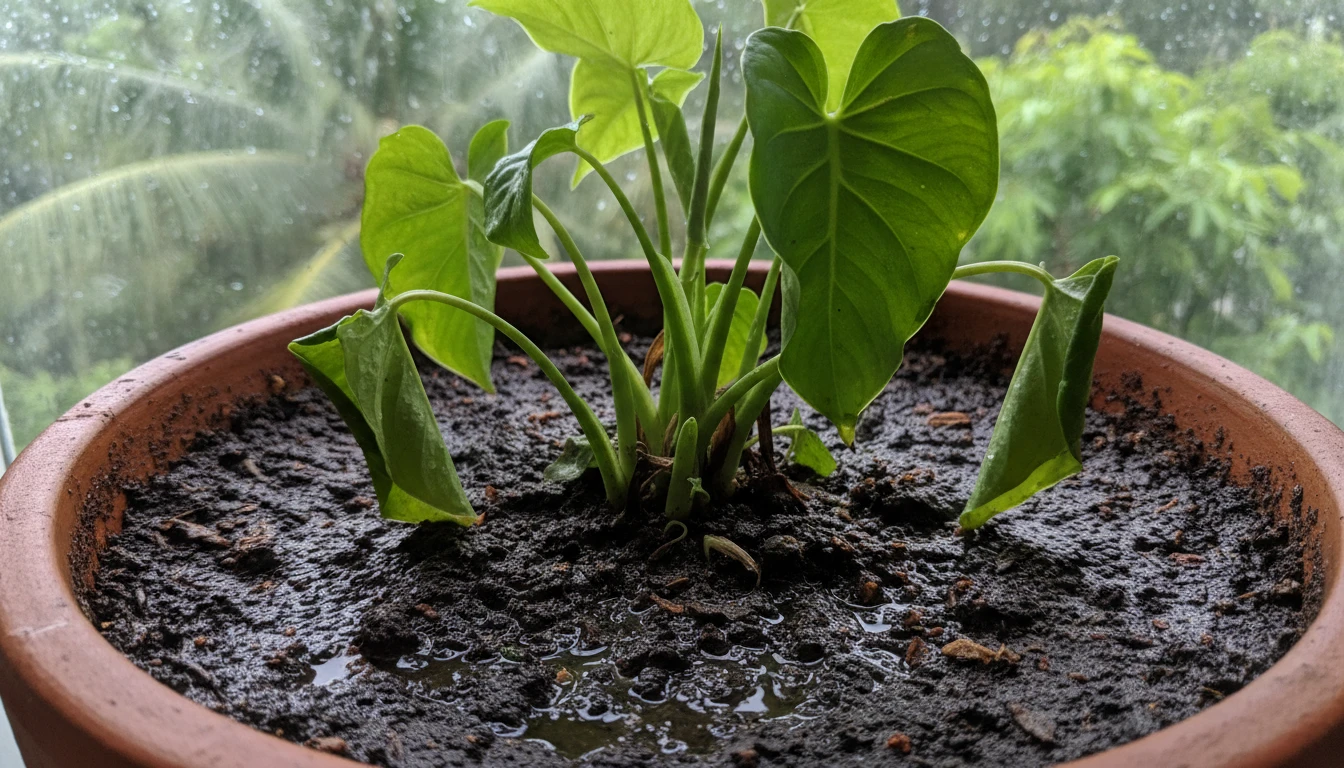
85-90% in coastal areas, means the air is already saturated with moisture. Plants absorb water not just through their roots but also from the atmosphere, and the soil dries out much more slowly. Continuing a summer watering schedule is one of the biggest mistakes a gardener can make, as it quickly leads to waterlogged soil. This condition, where roots are deprived of oxygen, is the primary cause of many plant deaths during this season.
Why Airflow Is the Unsung Hero
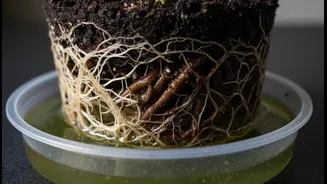
If excess water is the villain, then good airflow is the hero your plants desperately need. Stagnant, humid air creates a perfect breeding ground for a host of problems. Fungal diseases like powdery mildew, downy mildew, and leaf spot thrive when leaves remain damp for extended periods. Without moving air to help moisture evaporate from the foliage and soil surface, pathogens can easily take hold. Furthermore, poor air circulation contributes directly to root rot, the most severe consequence of overwatering. When roots sit in soggy soil without oxygen, they begin to decay, losing their ability to absorb nutrients and water, paradoxically causing the plant to wilt as if it were thirsty.
Spotting the Danger Signs
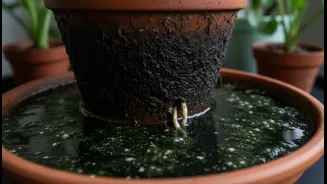
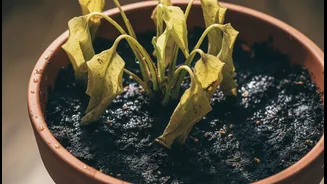
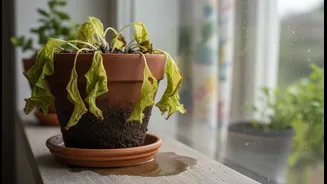
Your plants will tell you when they are struggling with poor circulation and excessive humidity. One of the most common signs is yellowing leaves, especially lower ones. You might also notice leaves that are soft and limp, even when the soil is wet—a classic symptom of root rot where the roots are too damaged to function. Other red flags include a musty or sour smell from the soil, visible mould or green algae on the topsoil, and an increase in pests like fungus gnats, which are attracted to damp conditions. Spotting these signs early is crucial for saving your plants.
Practical Steps for Better Circulation
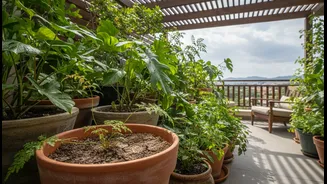
Improving airflow doesn't require expensive equipment. The simplest step is to give your plants more space. Avoid crowding them together, as this traps humidity. If you have dense plants, consider light pruning to open up the foliage and allow air to move through the branches. For indoor plants, placing them near an open window (when it's not raining) or using a small, oscillating fan can make a huge difference. The goal is to create a gentle breeze, not a direct draft. Finally, ensure your pots have adequate drainage holes and consider lifting them onto stands or bricks to prevent water from pooling at the base and blocking airflow to the roots.
Adjusting Your Watering Routine
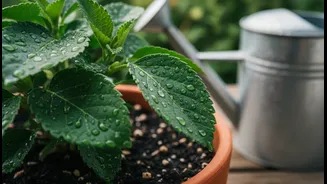
During the monsoon, you must abandon any fixed watering schedule. The golden rule is to check the soil first. Insert your finger about an inch or two into the soil; if it feels damp, wait another day or two before watering. Plants in porous clay pots will dry out faster than those in plastic ones. Cacti and succulents are particularly vulnerable to rot and may need watering only once every few weeks. For outdoor plants exposed to rain, you may not need to water them at all. Always aim to water at the base of the plant to keep the leaves dry, further reducing the risk of fungal infections.