






The End of 'No Garden' Gloom
The core idea behind liquid-based indoor agriculture is simple: give plants exactly what they need, without the soil. In traditional gardening, soil acts as the middleman, holding water and nutrients for plants to find with their roots. Soilless methods
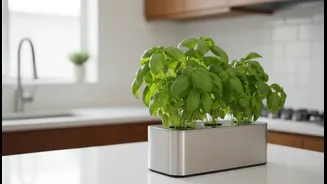
cut out the middleman entirely. Instead, a plant's roots are either suspended in or periodically flushed with a water solution packed with all the essential minerals required for growth. This direct-to-root delivery system is the secret behind its efficiency. By removing the need for dirt, you also remove the need for large, heavy pots and plots of land, making it possible to set up a thriving garden on a kitchen counter, in a spare corner, or on a bookshelf.
Understanding Hydroponics
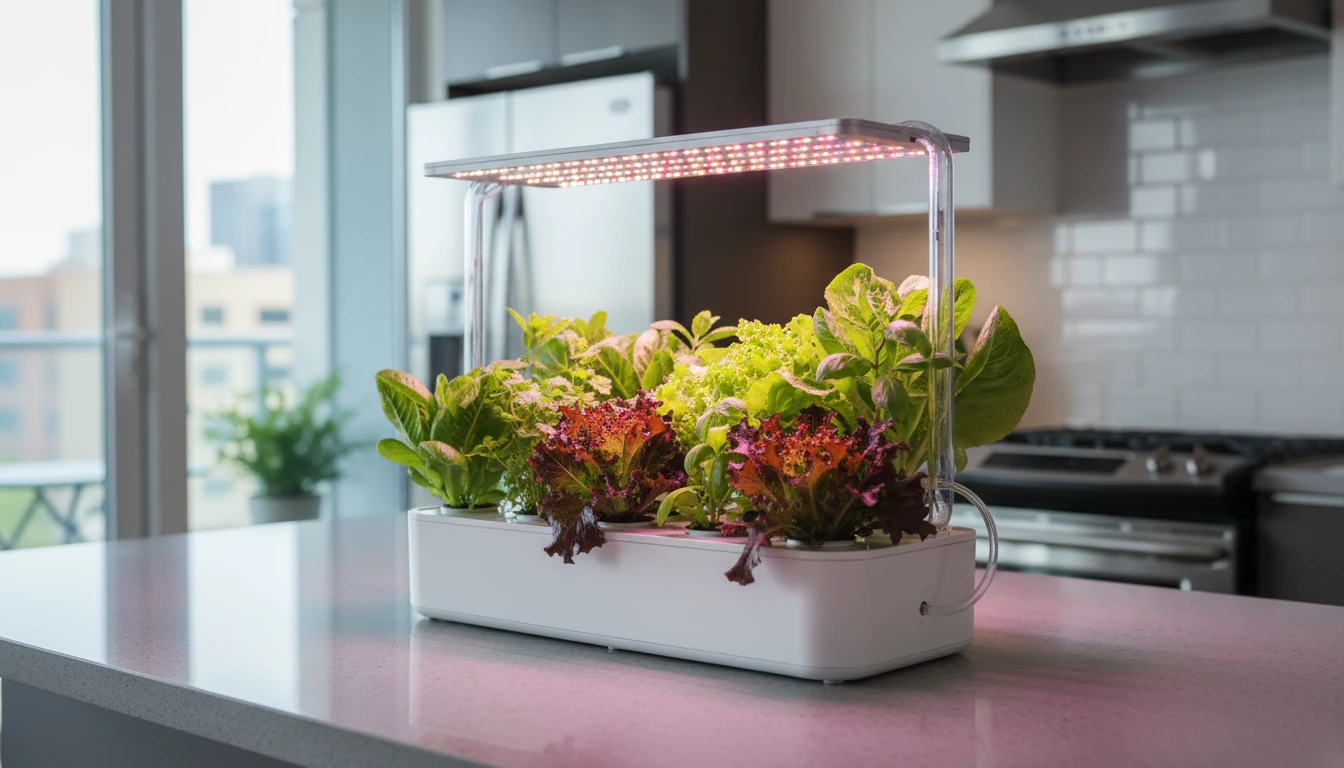
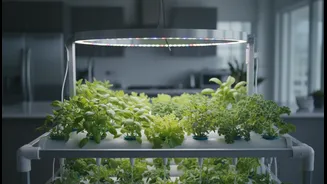
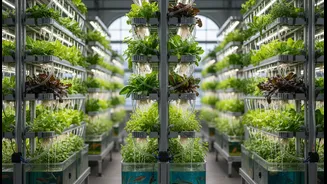
Hydroponics is the most well-known form of liquid agriculture. The word itself comes from the Greek for “water-working”. In a hydroponic system, plants are typically placed in a sterile growing medium like perlite, coconut coir, or rockwool to provide root support. This medium is inert, meaning it contains no nutrients of its own. A pump then circulates the nutrient-rich water from a reservoir, delivering food directly to the plant's roots. Because the system is contained, it can be set up almost anywhere indoors. The most popular setup for beginners is often a Deep Water Culture (DWC) system, where roots hang directly into an aerated bucket of nutrient solution, making it one of the simplest and least expensive ways to start.
Aquaponics: A Living Ecosystem
Aquaponics takes the concept one step further by creating a symbiotic ecosystem. It combines hydroponics with aquaculture (fish farming). In this closed-loop system, fish are kept in a tank. Their waste produces ammonia-rich water, which is then pumped to the plants. Naturally occurring bacteria convert this ammonia into nitrates, which are the perfect food for the plants. As the plants absorb these nutrients, they clean the water, which is then returned to the fish tank. It's a self-sustaining cycle that mimics a natural pond environment. While more complex to set up initially than a basic hydroponic system, it offers the unique benefit of producing both fresh produce and fish, with no need for added chemical fertilisers.
Aeroponics: Farming on Air
Often considered the most high-tech of the three, aeroponics involves growing plants with their roots suspended in the air within a chamber. There is no growing medium at all. Instead, a fine, nutrient-rich mist is sprayed directly onto the roots at regular intervals. This method provides an exceptional amount of oxygen to the roots, which can promote even faster growth than hydroponics. Aeroponics uses the least amount of water among the soilless techniques but requires a more precise setup to ensure the misters don't clog and that the roots remain consistently moist. It’s a method famously used by NASA due to its efficiency in controlled environments.
More Than Just a Space Saver
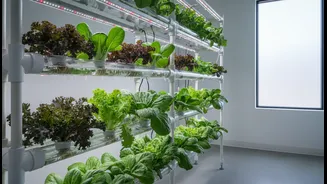
While the ability to garden in a small apartment is a huge draw, the benefits don't stop there. Liquid-based systems use significantly less water—up to 90% less—than traditional soil gardening because the water is recirculated instead of draining away. Plants also tend to grow faster because they don't have to expend energy searching for nutrients. With complete control over the environment—including light and temperature—you can grow produce year-round, free from worries about pests, weeds, or soil-borne diseases. This results in higher yields of clean, consistent-quality vegetables and herbs.
What Can You Grow Indoors?
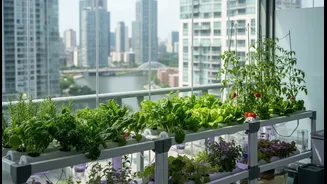
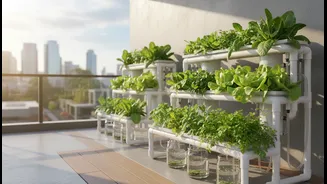
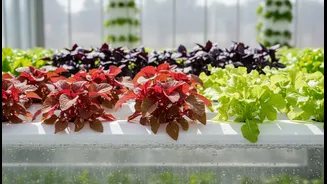
You might be surprised by the variety of crops that thrive in these systems. Leafy greens like lettuce, spinach, and kale are incredibly popular and do very well, as do herbs like basil, mint, and parsley. These are often recommended for beginners. Many systems can also support fruiting plants such as tomatoes, peppers, and strawberries. Root vegetables like potatoes are generally not suitable, nor are very large plants that require extensive root systems. The key is to choose varieties that are described as suitable for containers or compact growth.