




The Foundation: Protein for Fullness
Protein is the cornerstone of a satiating meal. It digests slower than carbohydrates, helping you feel full for longer and preventing energy crashes. A common mistake in vegetarian tiffins is making carbohydrates the star, with protein as a small side.
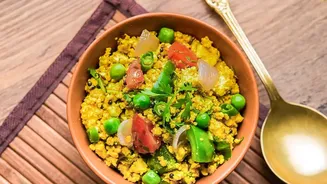
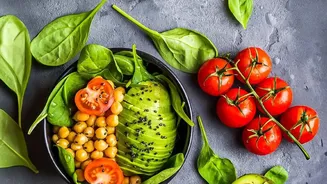
To build a better box, make a protein source the main event. Excellent vegetarian proteins that are perfect for tiffins include lentils (dal), chickpeas (chana), kidney beans (rajma), and cottage cheese (paneer). Soya chunks and tofu are also fantastic, versatile options. Aim to have a generous portion—think a large katori of dal or a substantial serving of paneer bhurji—to anchor your meal.
Smart Carbs for Sustained Energy
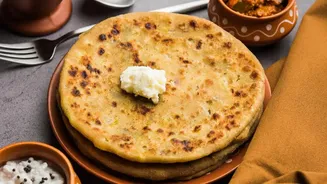
Not all carbohydrates are created equal. Simple carbs, like those in white rice and maida-based breads, digest quickly, leading to a spike and subsequent drop in blood sugar. For sustained energy through long shift hours, focus on complex carbohydrates. These are found in whole grains and are rich in fibre, which slows down digestion and provides a steady release of energy. Instead of white rice, opt for brown rice, quinoa, or millets like ragi and jowar. Swap regular rotis for those made from whole wheat (atta), ragi, or other millets. These choices not only provide lasting energy but also contribute to better digestion and overall health.
Don't Forget Healthy Fats
Fat has been unfairly villainised for years, but healthy fats are essential for a balanced meal. They play a crucial role in nutrient absorption, brain function, and, importantly, satiety. Including a moderate amount of healthy fat will make your lunch more satisfying and keep you from snacking later. Good sources of healthy fats in an Indian diet are abundant. A spoonful of ghee over your dal or rice not only adds flavour but also provides energy and helps in digestion. Nuts and seeds like almonds, walnuts, and pumpkin seeds are packed with healthy fats, protein, and fibre. Using traditional cold-pressed oils like mustard or sesame oil in your cooking also contributes to your healthy fat intake.
Fibre and Veggies for Bulk
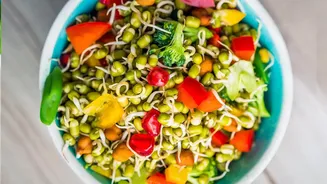
Vegetables are your best friend when it comes to creating a filling yet light meal. They add volume and fibre to your tiffin without adding a lot of calories. Fibre helps add bulk to your meal, slows digestion, and keeps you feeling full. A generous serving of a 'sabzi' (cooked vegetables) should always have a place in your tiffin. A side salad of cucumber, carrots, and tomatoes is another easy way to boost the fibre and nutrient content of your lunch. You can also add sprouts, which are rich in both fibre and protein.
Putting It All Together: Sample Tiffins
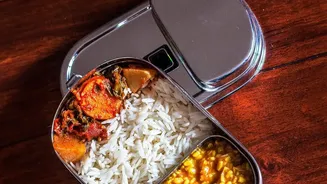
Thinking in terms of combinations makes packing a balanced tiffin much easier. The goal is to tick all the boxes: protein, complex carbs, healthy fats, and fibre. Here are a few ideas: The Classic North Indian: A large bowl of rajma or kala chana (protein), a serving of brown rice (complex carb), a dry vegetable sabzi like bhindi or cabbage (fibre), and a small container of curd (protein/fat). Paneer Power Pack: Paneer bhurji (protein/fat), two multigrain rotis (complex carb/fibre), and a cucumber-tomato-onion salad (fibre). South Indian Style: Sambar made with plenty of dal and vegetables (protein/fibre), a portion of brown rice or millet (complex carb), a dry vegetable 'poriyal', and a spoonful of ghee (healthy fat). Modern & Quick: Soya chunk pulao made with brown rice and mixed vegetables (protein/carb/fibre) served with a large bowl of raita (protein/fat).