







The Great Green Escape
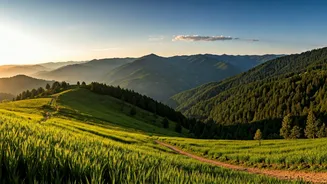
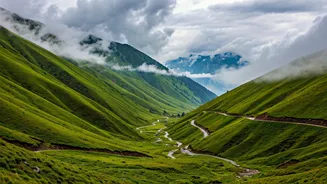
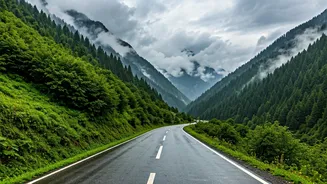
The weekend exodus from cities like Delhi, Chandigarh, and Dehradun is no longer just about reaching the main hill stations. A growing number of people are discovering the joys of the journey itself, specifically the quiet forest paths that lie just a few
hours away. This trend, bolstered by a post-pandemic desire for wellness and open spaces, has seen a surge in domestic travel. People are seeking authentic, experience-rich getaways that offer a break from routine. Improved road connectivity and a wealth of information on social media have made these once-hidden trails more accessible than ever, turning them into popular spots for a quick, refreshing escape.
Kasauli, Himachal Pradesh: The Gentle Pine-Scented Walk
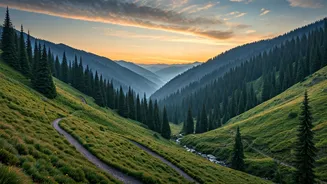
Kasauli is a quintessential colonial-era hill station that has become a hub for beginner trekkers and those seeking peaceful nature walks. The Gilbert Nature Trail is perhaps its most famous path, a serene 1.5-kilometre walk through dense pine forests that offers stunning valley views. For those wanting a bit more, trails to Sunset Point and Manki Point, the highest spot in Kasauli, provide panoramic views of the surrounding hills and plains. These paths are well-suited for families and casual walkers, offering a perfect blend of nature and accessibility, often just an overnight trip from major cities.
Landour, Uttarakhand: A Walk Through a Storybook
Just above the bustle of Mussoorie lies Landour, a cantonment town that feels frozen in time. It is a walker's paradise, famous for its winding 'chakkars' or circular roads that cut through dense deodar forests. The most popular route is the approximately 3-kilometre loop that takes you past St. Paul's Church, the iconic Char Dukan shops, and Lal Tibba, the highest point with breathtaking Himalayan views on a clear day. The area's colonial architecture and connection to author Ruskin Bond add to its storybook charm, making every walk feel like a step into a different era.
Mangar Bani, Haryana: The Sacred Grove Next Door
For residents of Delhi-NCR, a pristine forest experience doesn't necessarily require a trip to the Himalayas. Mangar Bani, a sacred grove nestled in the Aravalli hills on the Faridabad-Gurugram highway, offers a surprising and vital green lung. Revered and protected by the local community, this ancient forest is one of the last remaining habitats for native Aravalli species like the Dhau tree. Its rocky trails are a haven for birdwatchers and those seeking tranquility just an hour's drive from the city. The forest's existence is a testament to the local belief that the sage Gudariya Das Baba protects it, a legend that has helped preserve its unique biodiversity.
The Responsible Trail: Leave No Trace
The rising popularity of these natural retreats brings a shared responsibility. The core principle of eco-friendly trekking is to 'Leave No Trace.' This means carrying back all waste, including organic matter, to keep the trails clean. Using reusable water bottles and avoiding single-use plastics are simple yet effective ways to minimise environmental impact. It's also crucial to stick to marked trails to prevent soil erosion and respect the local wildlife by observing from a distance. Supporting local communities by hiring local guides or buying local produce helps ensure that tourism benefits the people who are the traditional custodians of these beautiful landscapes.