



The Boom in Convenient Consumption
From metropolitan cities to smaller towns, the landscape of Indian food consumption has transformed. Food delivery apps have made countless cuisines available at our fingertips, while supermarket shelves are stocked with ready-to-eat meals that promise
a quick and easy solution for busy households. This revolution is built on packaging—plastic containers, flexible pouches, lined cartons, and multi-layered wrappers. They keep food fresh, make it transportable, and offer unparalleled convenience. However, the materials that make this modern lifestyle possible carry potential risks that are often invisible to the naked eye.
The Hidden Dangers in Our Packaging
Research has increasingly highlighted the migration of harmful chemicals from packaging into our food. Substances like Bisphenol A (BPA), phthalates, and Per- and Polyfluoroalkyl Substances (PFAS) are of significant concern. BPA, often found in polycarbonate plastics and the linings of metal cans, is a known endocrine disruptor, meaning it can interfere with our hormonal systems. Phthalates, used to make plastics more flexible, have been linked to reproductive health issues. PFAS, dubbed "forever chemicals" for their persistence in the environment and our bodies, are used for grease and water-resistant coatings on paper and cardboard packaging and have been associated with a range of health problems, including immune system dysfunction and an increased risk of cancer.
Heat, Oil, and Time: A Risky Combination
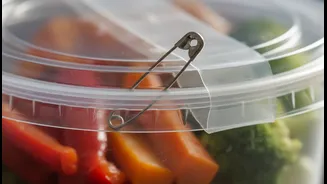
The risk of chemical leaching is not uniform; it increases significantly under certain conditions common in Indian households and kitchens. Heating food in plastic containers, a frequent practice for leftovers from food deliveries, can accelerate the release of microplastics and nanoplastics. One study found that a single three-minute microwave session could release millions of plastic particles. The chemical migration is also more pronounced with oily or acidic foods—staples of Indian cuisine. Even the duration of storage matters; the longer food sits in a container, the more time chemicals have to seep into it. The ubiquitous black plastic containers used by many restaurants are a particular point of concern, as they are often made from poorly traceable recycled materials, which may include non-food-grade waste.
Regulation and Reality in India
The Food Safety and Standards Authority of India (FSSAI) has established regulations for food packaging, mandating the use of food-grade materials that do not contaminate food. The FSSAI requires packaging to be clean, safe, and made from approved materials, with specific Indian Standards (IS) for different types of plastics. Furthermore, a ban on certain single-use plastics has been in effect since July 2022, targeting items like plastic plates and cutlery. In late 2025, FSSAI even proposed a draft amendment to prohibit BPA and PFAS in food contact materials, aligning with global trends. However, a 2025 parliamentary committee report noted that contamination is often not checked during high-temperature packaging and transportation phases, revealing a potential gap between regulation and real-world practice.
Demanding Safer and Smarter Alternatives
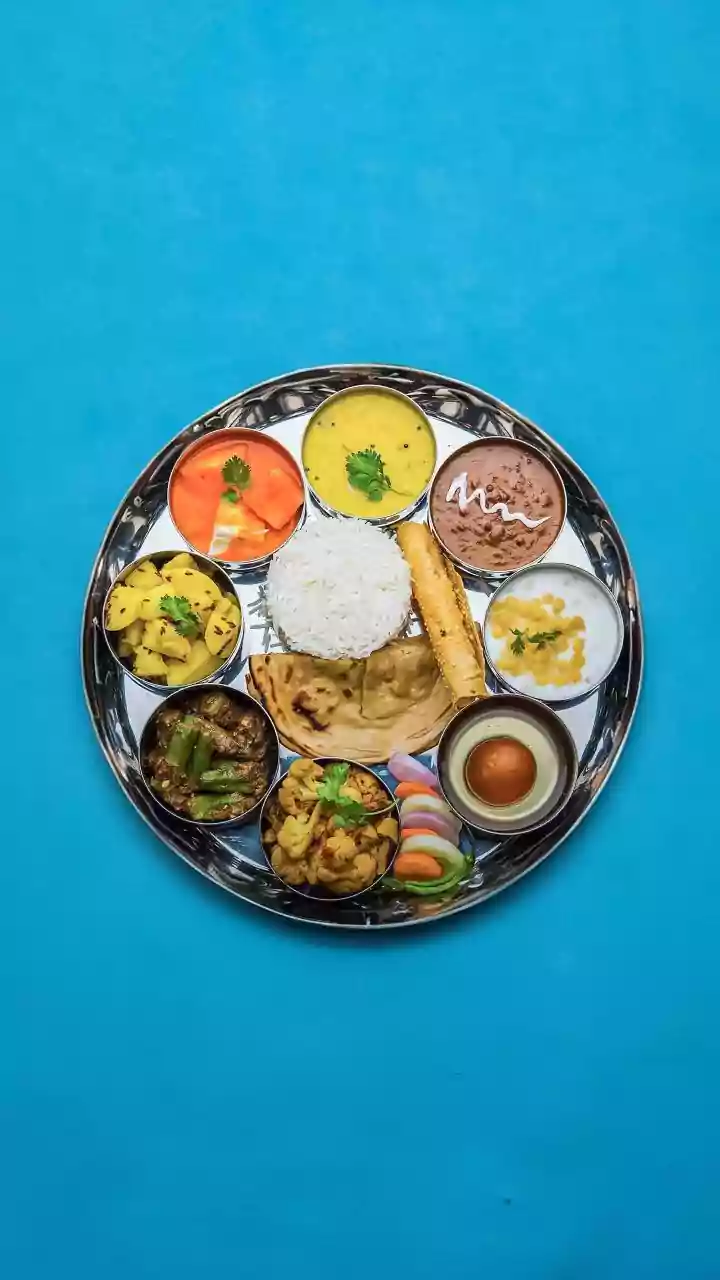
The solution is not to abandon convenience but to demand safer innovation from the food industry. Healthier alternatives are readily available. Glass and stainless steel containers are among the best options as they are non-toxic, durable, and do not leach chemicals into food. For single-use applications, materials derived from sugarcane fibre (bagasse), bamboo, and palm leaves offer biodegradable and compostable choices. As consumers, we have the power to influence change. By questioning restaurants about their packaging choices and opting for brands that prioritise safety, we send a clear message. When ordering food, transfer it immediately to a glass or steel container and never reheat it in the plastic it arrived in.