



The Architect of Himalayan Snow
The primary force behind winter conditions in the Indian Himalayas is a phenomenon known as Western Disturbances. These are extra-tropical storms originating in the Mediterranean region that travel eastwards. Between December and March, they are the main
source of precipitation for northwest India, bringing crucial snowfall to the high mountains and rain to the northern plains. When one of these systems arrives, it brings clouds and fresh snow for a few days, followed by a period of intensely cold, clear weather. The amount and timing of snowfall on any given trek are almost entirely dictated by the frequency and intensity of these disturbances. Understanding their pattern is key to knowing what to expect on the trail.
Kedarkantha: The Classic Winter Summit
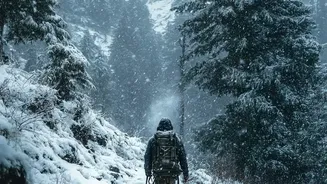
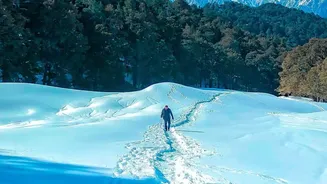
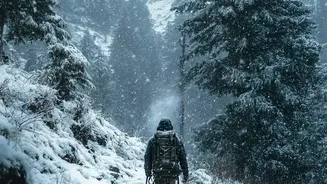
Known as the queen of winter treks, Kedarkantha in Uttarakhand is a favourite for those seeking their first snow-covered summit. The trail weaves through dense pine forests that look magical under a blanket of fresh snow. The weather story here is a clear demonstration of winter's progression. Snowfall typically begins in mid-December and becomes heavy and reliable through January, which is the coldest month. During this peak period, night temperatures at the higher camps can plummet to between -10°C and -15°C. By February, the snowpack is stable, and the days often become sunnier, offering a great balance of snow-covered landscapes and comfortable trekking conditions. The famous Juda Ka Talab, a small lake on the route, freezes solid, becoming a highlight for trekkers.
Brahmatal: For Ridges and Panoramic Views
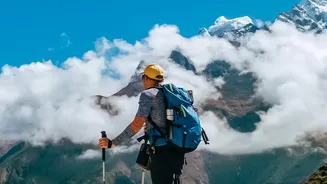
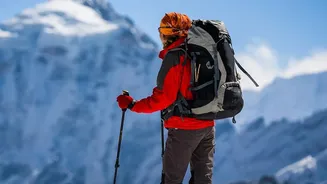
Brahmatal offers a different flavour of winter trekking, with its high-ridge walks and spectacular, wide-angle views of giants like Mt. Trishul and Nanda Ghunti. The trek features two frozen high-altitude lakes, Bekaltal and Brahmatal. Winter weather sets in during December, with snow starting to cover the trails. January is the coldest and snowiest month, where the entire landscape is transformed into a white wonderland and temperatures at the higher camps often drop between -8°C and -12°C at night. What defines Brahmatal's weather story is the wind-chill on the exposed ridges, which can make conditions feel significantly colder, especially during the early morning summit push. It's a trek that rewards you with some of the best mountain views, especially in the crisp, clear air that follows a snowfall.
Dayara Bugyal: The Endless Snowy Meadow
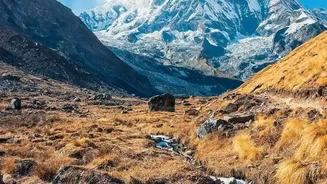
If your dream of a winter trek involves vast, rolling meadows blanketed in pristine snow, Dayara Bugyal is an excellent choice. Considered one of the most beautiful alpine meadows in India, its gentle slopes become a massive snowfield in winter. The first snow usually arrives in mid-to-late December. January is typically the coldest month, with night temperatures at the campsites hovering between -5°C and -10°C, and sometimes lower. The 'story' of Dayara's weather is one of open expanse; with fewer forests on the upper reaches, you are more exposed to the elements, but also rewarded with uninterrupted views of peaks like Bandarpoonch. The trek is generally considered easy to moderate, making it a great option for families and beginners looking for a true snow experience without an intimidating summit climb.
Reading the Signs on the Trail
While forecasts provide a good baseline, high-altitude weather is famously unpredictable. A sunny day can turn cold and windy within minutes. Beyond checking the weather, it's crucial to trek with experienced guides who can read the on-ground conditions. Dressing in layers is non-negotiable, as it allows you to adapt quickly to changing temperatures. Essentials like waterproof boots, microspikes for icy patches, and gaiters to keep snow out of your shoes become critical. Altitude itself is a major factor; for every 1,000 meters you ascend, the air cools significantly, meaning the summit can be dramatically colder than the base village. Respecting the mountain means being prepared for its mood swings.